

- The Great Light Lie: "Bright Indirect Light" Isn't Enough
- Watering: Why "When the Soil is Dry" Is Terrible Advice
- Temperature: The Silent Growth Killer
- Soil: Why Bagged "Cactus Mix" Usually Fails
- Pest Management: What Actually Works
- The Long Game: Building Resilience
- When to Give Up (And Start Over)
I need to be straight with you from the start: most succulent advice you find online is either oversimplified or just plain wrong. I’ve spent the last 25 years growing these plants – first as a hobbyist who killed more than I’d like to admit, then as a commercial grower supplying garden centers, and now as a consultant for botanical institutions. Let me give you the unvarnished truth about succulent care that actually works, not what looks good in Instagram posts.
The Great Light Lie: “Bright Indirect Light” Isn’t Enough
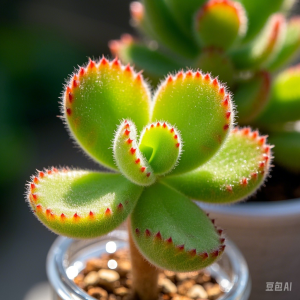
Here’s what most guides won’t tell you: succulent light requirements vary more dramatically than anyone admits. That beautiful echeveria from the store? It probably needs far more light than your living room can provide.
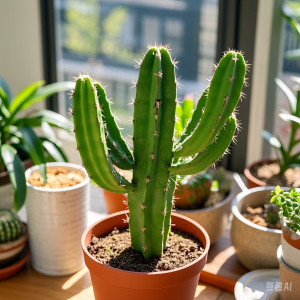
succulent plants
The Reality Check:
-
South-facing windows are not created equal. A south window with a deep overhang or trees outside provides less light than one with clear sky exposure. I measure mine with a $20 lux meter – it changed everything.
-
Seasonal changes matter. What’s perfect light in spring might be inadequate in winter when days are shorter and the sun is lower.
-
Indoor vs. outdoor light isn’t comparable. Even your brightest window filters out essential light spectrums. If your succulent is stretching indoors, it’s not “just a little” – it’s desperately starving.
My Solution: The Rotation System
Every Saturday morning, I rotate all my indoor succulents 90 degrees. This prevents the lopsided, leaning growth. For plants showing early stretching, I immediately move them to my “rehabilitation shelf” under grow lights for 12 hours daily until they recover their compact form.
Watering: Why “When the Soil is Dry” Is Terrible Advice
The most repeated – and most damaging – advice is to “water when the soil is dry.” This is how root rot happens.
The Problem:
Soil can feel dry on top but be soaking wet at the bottom where the roots live. By the time the whole pot is dry, your plant may have been stressed for weeks.
The Professional Method:
-
Weight is everything. When you first pot a plant, lift it and feel its weight. Water it thoroughly, then lift it again to feel the “watered” weight. This difference is your baseline.
-
The taco test. For many succulents (especially echeverias), gently try to fold a lower leaf. If it folds easily like a taco shell, it’s thirsty. If it resists, wait.
-
Seasonal awareness matters more than you think. In winter, I water some of my collection only once every 6-8 weeks. In summer heatwaves, some need water weekly.
Emergency Intervention Protocol:
When you suspect overwatering:
-
Stop watering immediately
-
Remove from decorative pot to increase air circulation
-
Place on a dry towel to wick moisture from drainage holes
-
Only return to regular care when you’re certain the soil is dry through and through
Temperature: The Silent Growth Killer
Most people think succulents love heat. They’re wrong.
The Truth About Heat:
When temperatures consistently exceed 90°F (32°C), many succulents enter heat dormancy. They stop growing, stop taking up water efficiently, and become susceptible to sunburn and rot if watered normally.
The Truth About Cold:
While some succulents are frost-hardy, the ones most people buy as houseplants will suffer damage below 40°F (4°C). The real danger isn’t just freezing – it’s the combination of cold and wet soil.
My Temperature Management System:
-
Summer: I move sensitive plants to morning-sun-only locations. I water only in early morning so leaves dry before the heat of the day.
-
Winter: All plants come inside before nighttime temps drop below 45°F (7°C). I group them together on trays with pebbles to create a microclimate with slightly higher humidity.
-
Transition periods (spring/fall): These are the growth seasons. I maximize light exposure and resume regular watering and feeding.
Soil: Why Bagged “Cactus Mix” Usually Fails
I’ve tested every commercial cactus mix on the market. Most retain too much moisture for long-term succulent health.
The Professional Mix Formula:
After years of experimentation, here’s my guaranteed mix:
-
1 part high-quality potting soil (I use Pro-Mix)
-
1 part poultry grit or crushed granite
-
1 part perlite or pumice
-
½ part coarse sand
This mix drains instantly but holds just enough moisture at root level. The mineral components provide weight for stability and don’t break down like organic matter does.
The Repotting Truth:
Most succulents need repotting every 2-3 years, not because they outgrow pots, but because organic components break down and the soil becomes compacted. When repotting:
-
Always go up just one pot size (1-2 inches larger in diameter)
-
Remove all old soil from roots
-
Let the plant rest bare-root overnight before potting in fresh mix
-
Wait 5-7 days before watering
Pest Management: What Actually Works
Mealybugs and fungus gnats are inevitable. Chemical sprays often damage succulent farina (that beautiful powdery coating).
My Organic Protocol:
-
For mealybugs: 70% isopropyl alcohol in a spray bottle, applied directly to pests. Repeat every 3 days for 2 weeks. Quarantine affected plants immediately.
-
For fungus gnats: Yellow sticky traps plus a ½ inch layer of coarse sand on top of the soil to break the life cycle.
-
Prevention: Always quarantine new plants for 3-4 weeks. Inspect leaf undersides and stem joints weekly.
The Long Game: Building Resilience
The healthiest succulents in my collection aren’t the ones I baby – they’re the ones I’ve “trained” to be tough.
My Resilience-Building Method:
-
Start with healthy plants from reputable sources (avoid big box stores with overwatered plants)
-
Provide consistent conditions – dramatic swings in light or watering cause stress
-
Practice “tough love” watering – wait until you see slight thirst signs, then water thoroughly
-
Don’t chase “stress colors” – while pretty, intensely stressed plants are weakened plants
-
Keep detailed records – I use a simple spreadsheet to track watering, growth, and problems
When to Give Up (And Start Over)
Sometimes, despite your best efforts, a plant is too far gone. Here’s when I recommend starting fresh:
-
When the main stem is completely mushy or black
-
When more than 75% of leaves have dropped or rotted
-
When a plant has been struggling for months with no improvement
-
When pests have infested the soil and roots
The Bright Side: Every “failure” teaches you something. I’ve learned more from dead plants than living ones. Take cuttings from healthy parts, propagate, and apply what you’ve learned.
Final Truth: Succulent care isn’t about having a green thumb. It’s about observation, patience, and willingness to adjust. The most beautiful collections belong to people who pay attention, not people who follow rules blindly. Start small, pay attention, and remember: every expert was once a beginner who kept trying.
 English
  Arabic
  Dutch
Dutch  German
  French
  Portuguese
  Spanish
  Russian
  Japanese
  Korean