

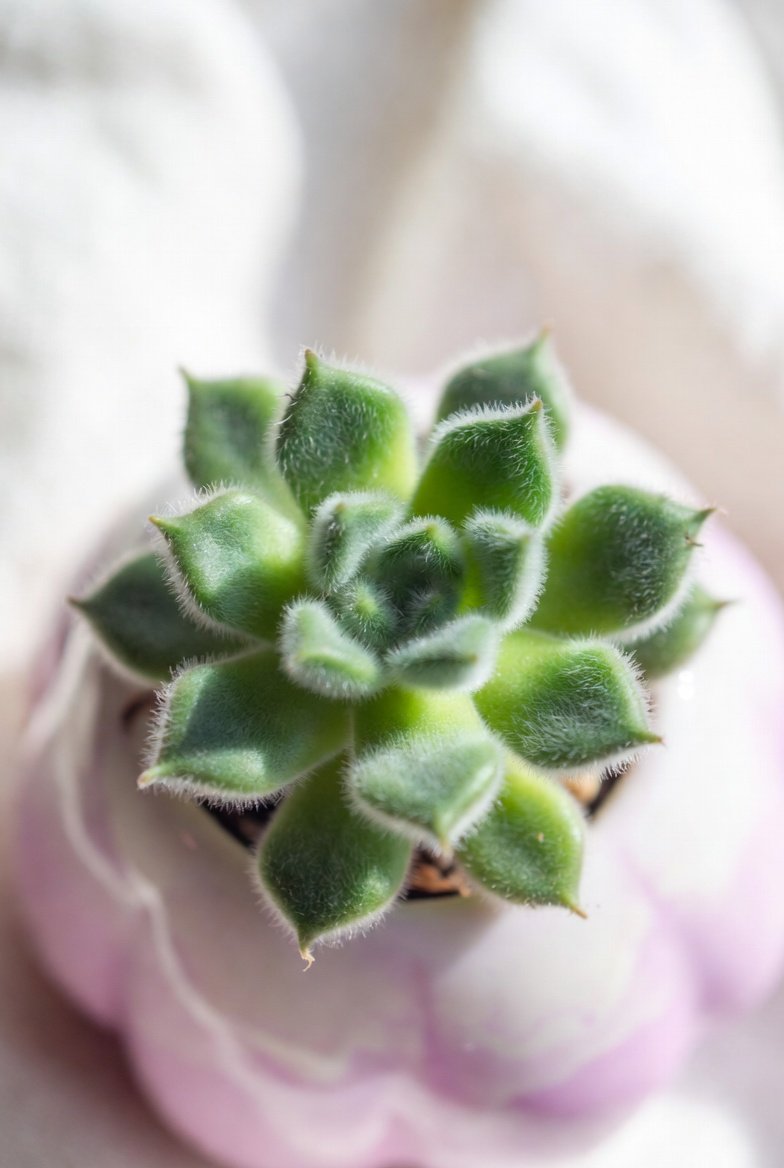
Succulents have become one of the most popular houseplants in the world. Their unique shapes, stunning colors, and reputation for being low-maintenance make them irresistible to both new and experienced plant lovers. But here is the truth. While succulents are forgiving, they are not indestructible. Many people bring home a beautiful succulent only to watch it stretch out, turn yellow, or turn into mush.
The good news is that learning how to care for succulent plants is not complicated. It just requires understanding a few basic principles. At CNGarden, we are passionate about helping plant lovers succeed. Whether you are a complete beginner or looking to refine your skills, this guide will walk you through everything you need to know to keep your succulents healthy and beautiful. And for those spaces where living plants are not practical, CNGarden also offers a stunning selection of artificial plants that bring the beauty of nature indoors without any maintenance required.
What Makes Succulents Different?
Before diving into care instructions, it helps to understand what succulents actually are. Succulents are plants that store water in their leaves, stems, or roots. This adaptation allows them to survive in arid environments where rainfall is scarce. Think deserts, rocky slopes, and other dry landscapes.
This evolutionary background explains why succulents have such specific care needs. They are built to withstand drought, but they are highly sensitive to excess moisture. The most common mistake people make when learning how to care for succulent varieties is overwatering. In fact, more succulents die from too much water than from too little. Understanding this fundamental truth is the first step toward becoming a successful succulent owner.
Light: The Foundation of Succulent Health
If there is one factor that determines whether your succulent thrives or merely survives, it is light. Succulents are sun-loving plants. In their natural habitats, they receive intense, direct light for most of the day. Replicating these conditions indoors is essential for keeping your plants compact, colorful, and healthy.
Finding the Right Spot
In an indoor setting, a south-facing window is typically the best choice. It provides the most hours of direct light. East-facing windows offer gentle morning light, which works well for many succulent species. West-facing windows can also work but may expose plants to intense afternoon heat. North-facing windows rarely provide enough light for succulents to thrive.
What Happens with Insufficient Light
When succulents do not receive enough light, they begin to etiolate. This means they stretch out, becoming tall and leggy with noticeable gaps between leaves. The plant is literally reaching for more light. While this is not immediately fatal, it weakens the plant and distorts its natural shape. Unfortunately, etiolated growth cannot be reversed.
What Happens with Too Much Light
Too much sudden light can cause sunburn. This appears as brown, crispy patches on the leaves. To prevent sunburn, gradually acclimate succulents to brighter conditions over one to two weeks.
For homes with limited natural light, maintaining healthy succulents can be challenging. In these situations, many plant enthusiasts turn to CNGarden for our collection of fake plants that deliver the same aesthetic appeal without any light requirements.
Watering: The Most Critical Skill
Watering is where most people struggle with how to care for succulent plants. The instinct to water on a schedule is hard to break, but succulents do not operate on human schedules. They respond to environmental conditions.
The Soak and Dry Method
This is the standard approach to watering succulents, and it is simple to follow:
Wait: Do not water until the soil is completely dry. Insert a finger or a wooden skewer into the soil to check moisture levels deep in the pot. If any moisture remains, wait another few days.
Soak: When the soil is bone dry, water thoroughly. Drench the soil until water flows freely from the drainage holes. This encourages deep root growth.
Dry: Allow the pot to drain completely. Never let your succulent sit in standing water, as this promotes root rot.
Seasonal Adjustments
Succulents have active growing seasons and dormant periods. Most succulents grow actively in spring and summer, requiring more frequent watering—perhaps once a week depending on your climate. In fall and winter, they enter dormancy. During this time, reduce watering significantly, often to once every three to four weeks.
Signs of Watering Issues
Overwatering: Leaves become yellow, translucent, and mushy. The plant may drop leaves easily.
Underwatering: Leaves appear shriveled, wrinkled, or deflated. The plant will typically recover within a day or two after a thorough watering.
If maintaining this watering balance feels overwhelming for certain areas of your home, CNGarden offers a beautiful range of artificial flowers that require no watering at all while still providing the visual appeal of living greenery.
Soil and Containers: Creating the Right Environment
Succulents require well-draining soil that does not retain excess moisture. Standard potting soil is too dense and holds water for too long, creating conditions that lead to root rot.
Choosing the Right Soil
The ideal succulent mix is gritty and porous. You can purchase commercial cactus and succulent mixes, but these often still contain too much organic matter. For optimal results, amend your mix with additional perlite, pumice, or coarse sand. A ratio of 50 percent succulent soil to 50 percent perlite provides excellent drainage while retaining just enough moisture for the roots.
Container Selection
The pot you choose is equally important. Drainage holes are non-negotiable for succulent health. A pot without a drainage hole traps excess water at the bottom, inevitably leading to root rot. If you fall in love with a decorative container that lacks holes, you have two options:
Drill a hole in the bottom.
Use the decorative pot as a cachepot, placing a plastic nursery pot with drainage holes inside it.
Terracotta or unglazed ceramic pots are excellent choices, especially for beginners. These materials are porous, allowing the soil to dry out more quickly than glazed ceramic or plastic pots. This provides a greater margin for error in watering.
For those who love the look of beautifully potted succulents but prefer to avoid the complexities of soil and drainage, CNGarden offers an impressive selection of artificial plants that are ready to display in any container you choose.
Temperature and Airflow
Succulents generally prefer temperatures between 60°F and 80°F (15°C to 27°C) during their growing season. Most succulents are not frost-hardy and should be protected from freezing temperatures. If you live in a region with cold winters, bring outdoor succulents indoors before the first frost.
Airflow is another factor to consider. Succulents thrive in dry conditions. High humidity, combined with poor airflow, can promote fungal issues and rot. If you are growing succulents in a humid environment, ensure adequate air circulation by spacing plants appropriately and using a small fan if necessary.
Good airflow also helps deter pests. Stagnant air creates conditions where mealybugs and other pests can establish themselves more easily.
Fertilizing: Supporting Healthy Growth
Succulents are not heavy feeders, but they do benefit from occasional fertilization during the growing season. Use a balanced, water-soluble fertilizer diluted to half strength. Apply once a month during spring and summer. Do not fertilize during fall and winter when succulents are dormant.
Specialized succulent fertilizers are available and often contain a higher ratio of phosphorus to support root development and flowering. Be cautious with organic fertilizers, as they often contain higher levels of nitrogen, which can promote excessive soft growth that is more susceptible to pests and disease.
Propagation: Multiplying Your Collection
One of the most rewarding aspects of learning how to care for succulent plants is the ability to propagate them. Succulents are among the easiest plants to propagate, allowing you to expand your collection or share with friends.
Leaf Propagation
Many succulents, particularly Echeverias and Graptopetalums, propagate readily from individual leaves.
Gently twist a healthy leaf from the stem, ensuring you get a clean break at the base.
Allow the leaf to callus over for two to three days in a dry, shaded area.
Place the callused leaf on top of dry succulent soil. Do not bury it.
Mist lightly every few days once roots and a tiny rosette begin to form.
Stem Cuttings
For succulents with elongated stems, stem cuttings are an effective method.
Cut a healthy section of stem using clean, sharp scissors.
Allow the cutting to callus for a few days.
Plant the callused end in dry succulent soil.
Wait about a week before watering to encourage root development.
Offsets
Many succulents produce offsets, or “pups,” around their base. These can be gently separated from the mother plant once they have developed their own root systems and potted individually.
For those who appreciate the beauty of succulents but prefer to skip the propagation process, CNGarden offers a wide variety of artificial flowers that capture the intricate details of mature succulents with no waiting period required.
Common Problems and Solutions
Even with the best plant care, issues can occasionally arise. Here is how to identify and address the most common problems.
Mealybugs
These are the most frequent succulent pests. They appear as small, white, cottony masses, often hiding in leaf crevices. To treat, isolate the affected plant and dab mealybugs with a cotton swab dipped in rubbing alcohol. Repeat every few days until they are eliminated.
Root Rot
This is almost always caused by overwatering or poor drainage. Symptoms include yellowing, mushy leaves, a foul odor from the soil, and blackened roots. If caught early, remove the plant from the soil, cut away any black or mushy roots, allow the plant to dry for a few days, and repot in fresh, dry, well-draining soil.
Fungal Issues
Excess moisture can lead to fungal problems, which often appear as black spots or powdery mildew on leaves. Improve airflow, reduce watering, and consider using a fungicide if the problem persists.
Edema
This appears as corky, brown scars on leaves, often caused by inconsistent watering. While unsightly, it does not typically harm the plant. Sticking to the soak-and-dry method will prevent future scarring.
For spaces where pest and disease management feels like too much work, CNGarden provides a worry-free alternative with our collection of artificial plants that require no treatment, no spraying, and no special care.
Styling Succulents in Your Home
Succulents are incredibly versatile design elements. Their wide range of colors, textures, and forms allows for creative expression in any space.
Indoor Styling Ideas
Grouped Arrangements: Plant multiple succulents together in a shallow bowl or tray. Mix different heights, colors, and leaf shapes.
Terrariums: Succulents can thrive in open terrariums. Use a wide-mouthed glass container with a layer of drainage material at the bottom.
Wall Planters: Vertical succulent gardens make striking living art pieces.
Bookshelf Accents: Small succulents in simple pots add life to bookshelves and desks.
Outdoor Styling Ideas
Rock Gardens: Succulents are natural choices for rock gardens, where their drought tolerance and architectural forms shine.
Container Gardens: Use succulents in outdoor containers to add texture and color to patios and entryways.
Ground Cover: In warm climates, low-growing succulents make excellent drought-tolerant ground covers.
If you love the styling possibilities of succulents but your climate or lifestyle makes living plants challenging, CNGarden offers an extensive range of artificial plants that can be used in any design application without concern for light, water, or temperature.
Seasonal Succulent Care
Your succulent care routine should change with the seasons.
Spring and Summer (Growing Season)
More light and water
Water every 7 to 14 days
Fertilize once a month
Best time to propagate
Gradually move plants outside if desired
Fall and Winter (Dormant Season)
Less water
Water only once a month or even less
Do not fertilize
Bring outdoor plants inside before frost
Lower temperatures are fine as long as it does not freeze
Why CNGarden Is Your Plant Care Partner
At CNGarden, we understand that every space and every lifestyle is different. Some plant lovers relish the daily rituals of watering and tending to living succulents. Others prefer the beauty of nature without the maintenance responsibilities. We serve both.
For succulent enthusiasts, we provide high-quality plants, soil amendments, containers, and expert guidance. For those seeking the aesthetic of succulents without the upkeep, our artificial collections set the standard for realism and craftsmanship.
Conclusion
Learning how to care for succulent plants takes a little practice. But once you understand their needs—lots of light, little water, fast-draining soil—you will find that they are truly some of the easiest plants to keep alive.
But here is the honest truth. Not every room in your home is suited for living plants. Dark hallways, windowless bathrooms, and busy schedules can make plant care difficult. For those spaces, CNGarden has the perfect solution. Our artificial plants and artificial flowers bring the beauty of nature anywhere you want it.
Visit CNGarden today. Whether you choose living succulents or our high-quality artificial options, we will help you create a home that feels fresh, green, and alive.
 English
  Arabic
  Dutch
Dutch  German
  French
  Portuguese
  Spanish
  Russian
  Japanese
  Korean