

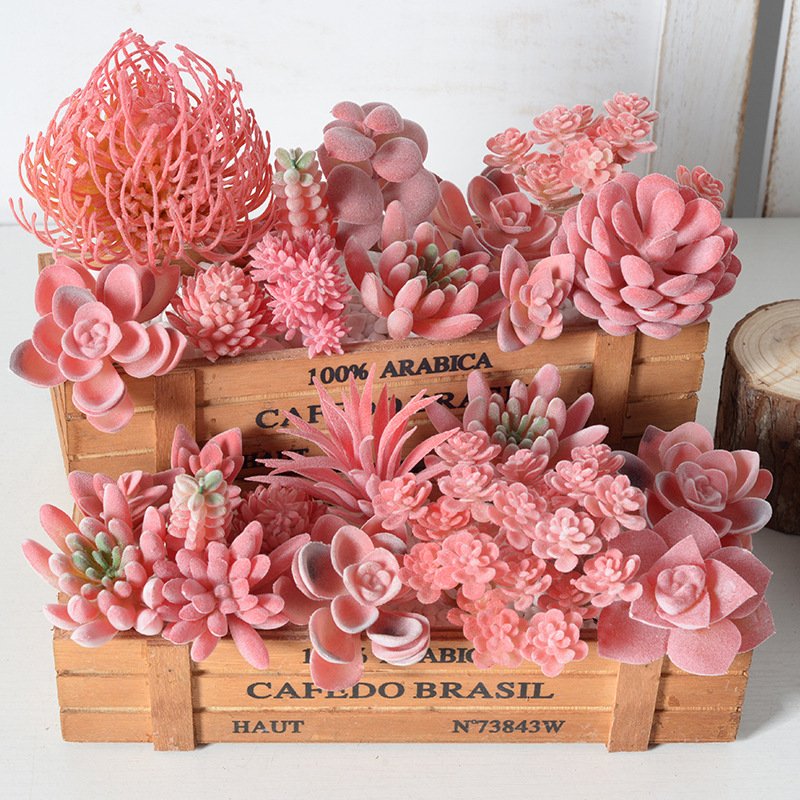
Your succulent has been thriving in its little pot for months, maybe even years. But lately, you’ve noticed the growth has slowed down. Water seems to run straight through the pot, or perhaps roots are creeping out of the drainage hole. These are all signs that your plant is trying to tell you something: it’s time for a new home.
Welcome to the art of repotting. At jardim, we believe that understanding what happens beneath the soil is just as important as the beauty above. Proper repotting is the foundation of long-term cuidados com as suculentas, ensuring your plants remain healthy, vibrant, and ready to grow.
Why Repotting Matters
Many new plant parents are intimidated by repotting, worried they might harm their beloved suculentas. But repotting is not just necessary—it’s beneficial. Here is why:
-
Root Bound Plants: When roots outgrow their container, they circle around the pot, eventually strangling themselves. This restricts water and nutrient uptake.
-
Soil Depletion: Over time, well-draining potting mix breaks down and compacts. It loses its ability to drain quickly and may become too dense for healthy root growth .
-
Salt Buildup: Fertilizers and tap water can leave mineral salt deposits in the soil, which can burn delicate roots.
-
Pest and Disease Check: Repotting gives you a chance to inspect the root system for signs of podridão radicular or hidden pests like root mealybugs .
-
Aesthetic Refresh: A new pot can completely transform the look of your plant, complementing your home decor or your latest succulent arrangement.
When to Repot: Timing is Everything
Timing can make the difference between a plant that thrives and one that struggles after repotting.
Best Season:
The ideal time to repot is during the growing season—spring and early summer. At this time, your succulents are actively growing and will quickly establish new roots in their fresh soil . Avoid repotting during the dormant winter months, as the plant is resting and may struggle to recover.
Signs It’s Time to Repot:
-
Roots are visibly growing out of the drainage holes.
-
The plant has become top-heavy and tips over easily.
-
Water runs straight through the pot without soaking in.
-
Growth has noticeably slowed down or stopped.
-
The soil dries out much faster than it used to.
-
You see your plant is cracking its old pot (a dramatic but clear sign!).
For most succulents, repotting every 12 to 18 months is a good rule of thumb.
Step-by-Step Guide to Repotting Your Succulent
Follow these steps for a smooth transition that minimizes stress on your plant.
Step 1: Gather Your Supplies
Before you start, make sure you have everything you need:
-
A new pot (only one size larger than the current one—too much space can lead to overwatering issues) .
-
Fresh cactus and succulent mix.
-
Terracotta pots are excellent choices, but any pot with drainage holes will work .
-
Optional: Top dressing (gravel, pumice, or decorative stones).
-
Optional: Soft brush for cleaning up.
At jardim, we offer complete repotting kits with everything you need for a successful transplant.
Step 2: Stop Watering
About one to two weeks before you plan to repot, stop watering your succulent . Dry soil is much easier to work with—it falls away from the roots gently, whereas wet soil clings and can damage delicate root hairs during removal.
Step 3: Remove the Plant Carefully
Gently squeeze the sides of the plastic nursery pot to loosen the soil. Then, turn the pot upside down, supporting the base of the plant with your hand, and tap the bottom until the root ball slides out . If it’s stubborn, don’t yank—gently run a knife around the inside edge of the pot.
Step 4: Inspect and Prune the Roots
This is the most important step. Gently massage and loosen the old soil from the roots. Now, examine closely:
-
Healthy roots are firm and white or light tan.
-
Unhealthy roots are dark, mushy, or shriveled—these are signs of podridão radicular .
Using clean, sharp scissors or pruning shears, trim away any dead, rotting, or overly long roots. Don’t be afraid to cut—this encourages new, healthy root growth . If you see any tiny white cotton-like masses, these could be root mealybugs; treat immediately with rubbing alcohol.
Step 5: Dry and Callus (Optional but Recommended)
After root pruning, let the plant sit out in a dry, shaded spot for 24 to 48 hours . This allows any cuts or wounds on the roots to callus over, significantly reducing the risk of rot once planted. Some experts even recommend letting the plant dry until you see tiny new root nubs forming .
Step 6: Prepare the New Pot
Ensure your new pot has a clean drainage hole. Cover the hole with a piece of mesh or a coffee filter to prevent soil from escaping while still allowing water to drain . Add a layer of well-draining potting mix at the bottom—enough so that when you place the plant in, the base of the plant sits about half an inch below the rim.
Step 7: Plant and Backfill
Hold the plant in the new pot at the correct height. Carefully fill in around the roots with your fresh soil mix, gently tapping the pot on the table to settle the soil. Do not press down too hard—you want the soil aerated, not compacted .
Step 8: Add Top Dressing
If desired, add a layer of decorative gravel or top dressing. This helps support the plant, keeps the leaves off wet soil, and adds a polished, finished look.
Step 9: The Most Important Rule: DO NOT WATER
This is where many people make a mistake. Do not water immediately after repotting . Remember, you may have pruned roots and created wounds. Watering now invites rot. Wait at least 3 to 7 days (longer if the plant is fleshy) before giving it a light watering. This waiting period allows any remaining root injuries to heal.
Step 10: Settle In
Place the newly potted plant in a spot with luz brilhante e indireta—not direct sun—for about a week to recover. After a week or two, you can gradually move it back to its usual sunny spot and resume your normal plant care routine.
Repotting Different Types of Succulents
While the general process is similar, different succulents have slightly different needs:
| Succulent Type | Root Characteristics | Repotting Tips |
|---|---|---|
| Echeverias & Rosette Types | Fibrous, shallow roots | Use shallow pots; ensure soil level just covers roots |
| Haworthias & Gasterias | Thick, fleshy “carrot-like” roots | Deep pots preferred; be gentle—these roots are brittle |
| Sempervivums (Hens & Chicks) | Spreading, shallow roots | Wide, shallow bowls work best; they love to multiply |
| Caudiciforms (e.g., Desert Rose) | Thick, swollen trunks with fine roots | Protect the caudex; plant slightly high to show it off |
Common Repotting Mistakes to Avoid
-
Using a Pot That’s Too Big: A massive pot holds too much moisture, leading to root rot. Only go up one size .
-
Using the Wrong Soil: Regular potting soil is too moisture-retentive. Always use a cactus and succulent mix .
-
Watering Too Soon: Give those roots time to heal! Patience is key .
-
Being Too Rough: Handle roots gently; they are more delicate than they look.
-
Forgetting to Check for Pests: Repotting is the perfect time for a root health inspection .
Aftercare: Helping Your Plant Settle In
After that first light watering (about a week after repotting), return to your normal watering schedule. You may notice your succulent looking a little sad for a week or two—this is normal transplant shock. Be patient. Once new roots establish, you will see renewed growth and vigor.
A freshly repotted succulent is a happy succulent. It has room to grow, fresh nutrients, and a clean environment.
Conclusion: Give Your Roots Room to Dance
Repotting is one of the most rewarding aspects of succulent ownership. It connects you to the hidden half of your plant and sets the stage for future growth and beauty. With the right tools, timing, and technique, you can ensure your jardim collection thrives for years to come.
Ready to give your succulents a fresh start? Explore our collection of gardening supplies, including premium pots, professional-grade soil mixes, and tools at jardim today. Happy planting!
 English
  Arabic
  Dutch
Dutch  German
  French
  Portuguese
  Spanish
  Russian
  Japanese
  Korean