

- Why Create an Arrangement?
- Step 1: Choosing Your Container
- Step 2: Selecting Your Plants (The "Thriller, Filler, Spiller" Method)
- Step 3: Designing with Color and Texture
- Step 4: The Planting Process
- Arrangement Ideas and Inspiration
- Caring for Your Arrangement
- Conclusion: Your Living Masterpiece Awaits
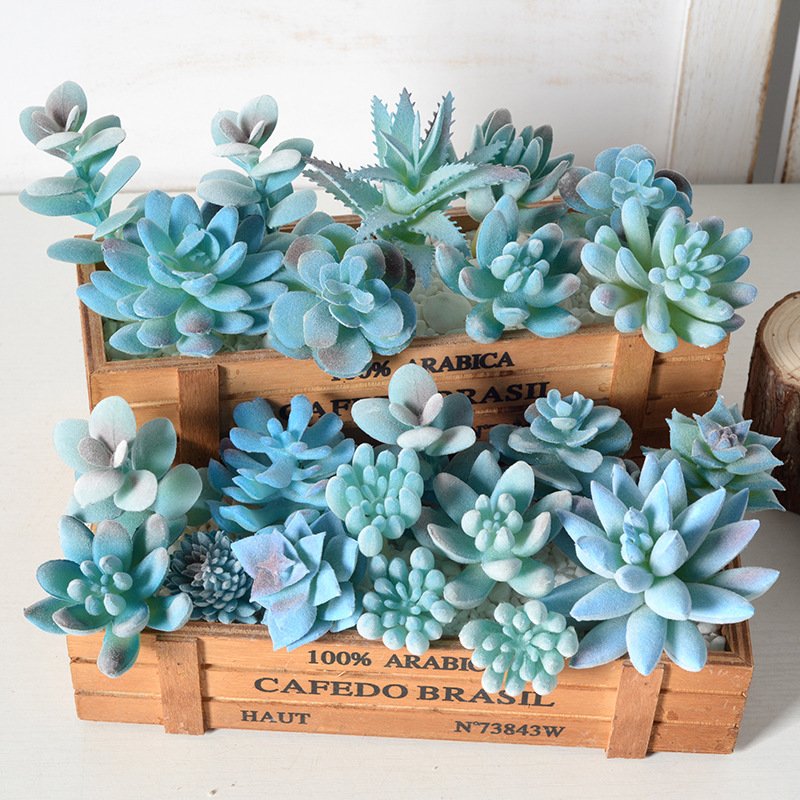
You have mastered the art of keeping your succulents alive. You have propagated your first batch of babies. Now comes the really fun part: designing with them. Succulent arrangements are a beautiful way to express your creativity, transforming a collection of individual pots into a living masterpiece.
Whether you want to create a centerpiece for your dining table, a living wall for your patio, or a unique gift for a friend, this guide from jardim will walk you through the principles of design, plant selection, and assembly to help you create a stunning succulent garden.
Why Create an Arrangement?
Beyond the obvious aesthetic appeal, planting multiple succulents together offers practical benefits:
-
Unified Care: Succulents with similar needs (light and water) can thrive together, making plant care more efficient.
-
Space Saving: A single large container can hold a diverse collection, perfect for small apartments or balconies.
-
Visual Impact: Grouping plants with varying colors, textures, and heights creates a dynamic display that is far greater than the sum of its parts.
Step 1: Choosing Your Container
The container sets the stage for your design. Almost anything can become a home for suculentas as long as it meets one non-negotiable requirement: drainage.
Container Options:
-
Classic Terracotta Bowls: Porous and breathable, terracotta pots are ideal for healthy root systems and come in various shapes perfect for arrangements.
-
Shallow Planters: Many succulents have shallow root systems, making wide, shallow bowls a practical and visually appealing choice.
-
Creative Containers: Old teacups, wooden boxes, or even hollowed-out books can be used, but you must drill a orifício de drenagem or be extremely careful with watering.
-
Specialty Designs: For a modern look, consider geometric concrete planters or vertical frames for living walls.
At jardim, we offer a curated selection of containers suitable for every style and skill level.
Step 2: Selecting Your Plants (The “Thriller, Filler, Spiller” Method)
Professional gardeners often use the “thriller, filler, spiller” method to design balanced containers. This concept translates perfectly to succulents.
The Thriller: The Star of the Show
This is the tall, dramatic plant that serves as the focal point. It draws the eye and provides vertical interest.
-
Examples: A tall Echeveria, a towering Aeonium, or a sculptural Euphorbia. Snake plants (Sansevieria) can also work well as a thriller in larger arrangements.
The Filler: The Supporting Cast
These plants are medium-sized and bushy. They fill in the space around the thriller, adding volume and texture.
-
Examples: Graptoveria, Sedum, Haworthia, and smaller Echeverias. Their varied shapes and colors create visual depth.
The Spiller: The Softener
These are trailing or low-growing plants that cascade over the edge of the container, softening the lines and adding a sense of movement.
-
Examples: String of Bananas, String of Pearls, Burro’s Tail (Sedum morganianum), or trailing varieties of Sedum like ‘Angelina’.
Step 3: Designing with Color and Texture
Succulents offer an incredible palette of colors and textures. Playing with these elements is key to a professional-looking arrangement.
Color Schemes:
-
Monochromatic: Use different shades of a single color (e.g., various greens and lime greens) for a calming, sophisticated look.
-
Analogous: Choose plants with colors that are next to each other on the color wheel (e.g., blues, purples, and pinks) for a harmonious feel.
-
Complementary: Pair colors opposite each other on the wheel (e.g., purple Echeveria with lime green Sedum) for a bold, vibrant contrast that pops.
Texture Contrast:
Mix plants with different surface qualities:
-
Smooth: Echeveria (smooth, waxy leaves)
-
Spiky: Agave or Aloe (sharp, architectural lines)
-
Fuzzy: Kalanchoe tomentosa (Panda Plant) or Echeveria ‘Doris Taylor’ (soft, velvety texture)
-
Beaded: Senecio rowleyanus (String of Pearls) (round, bead-like leaves)
Step 4: The Planting Process
Once you have your container and plants, it is time to assemble your living art.
Materials Needed:
-
Your chosen container (with drainage hole)
-
Well-draining potting mix (cactus and succulent mix)
-
A variety of succulents
-
Top dressing (small rocks, gravel, or sand)
-
Small scoop or spoon
-
Soft brush (for cleaning up soil)
Step-by-Step Assembly:
-
Prepare the Container: Cover the drainage hole with a piece of mesh or a coffee filter to prevent soil from washing out.
-
Add Base Soil: Fill the container about halfway (or more, depending on root depth) with your cactus and succulent mix.
-
Dry Fit Your Plants: Before you start digging, arrange your plants (still in their nursery pots) on top of the soil. Play with the placement until you are happy with the composition. This is the time to experiment.
-
Plant the Thriller: Start by planting your tallest “thriller” slightly off-center for a more natural look (avoid placing it dead center unless you want a perfectly symmetrical design).
-
Add Fillers: Plant the medium-sized “filler” plants around the thriller, leaving space for growth.
-
Finish with Spillers: Plant the trailing “spillers” near the edge of the container so they can cascade over the side.
-
Backfill with Soil: Gently add more soil around all the plants, pressing down lightly to secure them. Ensure the soil level reaches just below the lowest leaves of each plant.
-
Add Top Dressing: Spread a layer of decorative gravel or sand over the soil surface. This not only looks beautiful but also helps keep the leaves dry and prevents soil from splashing up during watering.
-
Clean Up: Use a soft brush to remove any stray soil from the leaves.
-
Wait to Water: Do not water immediately! Wait about 3 to 5 days to allow any damaged roots to callus over. Then, water thoroughly using a watering can with a narrow spout, directing water to the soil, not the leaves.
Arrangement Ideas and Inspiration
-
The Zen Garden: Use a shallow, rectangular black container. Plant a few architectural succulents like Haworthia and add smooth river stones and white sand raked into patterns.
-
The Fairy Garden: Create a whimsical scene with small-scale suculentas, miniature figurines, and tiny paths made of gravel.
-
The Living Wall: Use a vertical frame planted with a variety of trailing and rosette-forming succulents for a stunning piece of living art.
-
The Holiday Wreath: Create a succulent wreath for your door using a wire frame lined with moss and planted with cuttings.
Caring for Your Arrangement
A well-designed succulent arrangement is a living thing that will grow and change over time.
-
Watering: Water only when the soil is completely dry. Because arrangements are often in wider containers, the soil may dry faster than individual pots, so check regularly.
-
Light: Most arrangements need plenty of luz brilhante e indireta to maintain their colors and compact shape. Rotate the container occasionally so all sides get even light.
-
Maintenance: As plants grow, they may become crowded. You can trim them back or propagate the cuttings to replant elsewhere. Remove any dead or dried leaves from the surface.
-
Seasonal Changes: Some plants may go dormant in winter. Adjust your watering accordingly and don’t be alarmed if growth slows down.
Conclusion: Your Living Masterpiece Awaits
Creating a succulent arrangement is a joyful blend of gardening and artistry. It is a chance to play with nature’s palette and create something uniquely yours. Whether you are a seasoned plant parent or just starting your jardim journey, designing your own arrangement is a deeply rewarding experience.
Ready to bring your vision to life? Visit jardim today to explore our wide selection of healthy succulents, stylish containers, and all the gardening supplies you need to create your own living masterpiece.
 English
  Arabic
  Dutch
Dutch  German
  French
  Portuguese
  Spanish
  Russian
  Japanese
  Korean