

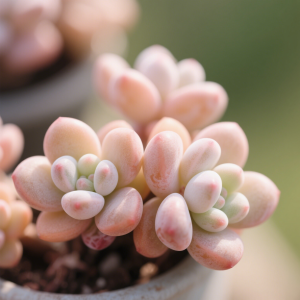
Watering succulents seems like it should be the easiest part of their care, but it’s actually where most people go wrong. These plants have completely different hydration needs than your typical houseplants, and understanding their unique requirements is the key to keeping them healthy and vibrant. The secret isn’t following a strict schedule but learning to read your plants and respond to their actual needs, which change with seasons, growing conditions, and each plant’s individual characteristics.
The golden rule of succulent watering is simple: soak thoroughly, then let dry completely. This “feast or famine” approach mimics the natural rainfall patterns in arid environments where these plants evolved. When you water, do it properly—continue pouring until water runs freely from the drainage holes. This ensures the entire root system receives moisture and helps flush out accumulated salts from fertilizers. Then comes the crucial drying period—wait until the soil is completely dry before even considering another watering. For most succulents, this means the soil should feel dry several inches down, not just at the surface. The time between waterings might be one week in hot, dry weather or three to four weeks during cool, humid conditions or winter dormancy.
Learning to recognize thirst signals will make you a more confident succulent grower. An underwatered succulent typically shows wrinkled, slightly shriveled leaves that may feel softer or more flexible than usual. The plant might look slightly deflated, like it’s lost its plumpness. Some species, like certain Sedum varieties, will develop slightly concave leaves when they need water. On the other hand, overwatered succulents often show yellowing, translucent leaves that feel mushy to the touch. In severe cases, the stems or leaves may turn black, and the plant might drop healthy-looking leaves unexpectedly. These signs of overwatering often appear suddenly because the damage occurs at the root level long before it becomes visible above soil.
Your watering approach should change with the seasons because your succulents’ growth patterns do. During spring and summer, when most succulents are actively growing, they’ll need more frequent watering as they’re using water to fuel new growth. As daylight decreases in fall and temperatures cool, growth slows and water requirements drop significantly. Winter is typically the driest season for succulents, when many species enter dormancy and need just enough water to prevent excessive root drying. The exact timing varies by species—winter-growing succulents like some 이온 varieties actually need more water during cooler months—so it’s worth researching your specific plants’ natural cycles.
Environmental factors dramatically influence how quickly your soil dries out. Plants in terra cotta pots dry faster than those in plastic or glazed ceramic. Small pots dry out more quickly than large ones. Succulents growing in bright, direct light need water more frequently than those in lower light conditions. Hot, dry air from heating or air conditioning accelerates drying, while humid conditions slow it down. Air circulation also plays a role—plants in well-ventilated areas dry faster than those in stagnant air. This is why fixed watering schedules so often fail; they don’t account for these constantly changing conditions. Instead of marking your calendar, make soil-checking part of your routine.
The watering technique you use matters as much as the frequency. Bottom watering—placing pots in a tray of water and allowing the soil to absorb moisture through the drainage holes—encourages deep root growth and ensures complete saturation. This method is particularly useful for plants that have become root-bound or when the soil has pulled away from the pot edges. Top watering works well too, provided you water thoroughly rather than giving just a superficial sprinkle. Avoid getting water on the leaves of fuzzy succulents like some Kalanchoe species, as moisture trapped in their hair-like structures can lead to rot. Early morning watering gives any accidental splashes on leaves time to evaporate before cooler evening temperatures set in.
Special situations require adjusted watering approaches. Newly propagated plants need slightly more consistent moisture while they’re developing roots, but still shouldn’t be kept constantly wet. Freshly repotted succulents benefit from waiting about a week before their first watering to allow any damaged roots to heal. Plants recovering from pests or disease often need careful hydration—enough to support recovery but not so much that they can’t handle the stress. Succulents grown under artificial lights typically need more frequent watering than those receiving natural sunlight, as grow lights don’t provide the same drying effect as the sun.
Water quality is an often-overlooked aspect of succulent care. Tap water containing high levels of dissolved minerals can leave white deposits on pots and soil surfaces and may eventually affect soil pH. If your tap water is heavily mineralized, using filtered, distilled, or rainwater can prevent these issues. Water temperature matters too—extremely cold water can shock roots, while very warm water might encourage fungal growth. Room temperature water is generally safest.
Learning proper watering is a journey of observation and adjustment. Even experienced growers occasionally lose plants to watering issues, so don’t be discouraged by setbacks. The more you practice reading your plants’ signals and understanding how different conditions affect their needs, the more intuitive watering becomes. Keep notes if it helps—record when you water and how the plants respond. Over time, you’ll develop a feel for when your succulents are truly thirsty rather than watering out of habit or guesswork. This attentive approach transforms watering from a chore into an engaging dialogue with your plants, leading to healthier growth and more beautiful specimens that truly flourish under your care.
 English
  Arabic
  Dutch
Dutch  German
  French
  Portuguese
  Spanish
  Russian
  Japanese
  Korean