

- Lesson 1: Don't Believe Anyone Who Says Succulents Are "No-Care"
- Lesson 2: Light Is Everything – South-Facing Windows Are Gold
- Lesson 3: Mastering Watering Takes Time – When in Doubt, Wait
- Lesson 4: Soil Matters More Than You Think
- Lesson 5: Drainage Holes Are Non-Negotiable – Terracotta Is Best
- Lesson 6: Different Succulents Have Different Needs
- Lesson 7: Summer Is the Hardest Season
- Lesson 8: Winter Means Frost Protection
- Lesson 9: Catch Pests Early
- Lesson 10: Propagation Is Addictive
- 최종 생각
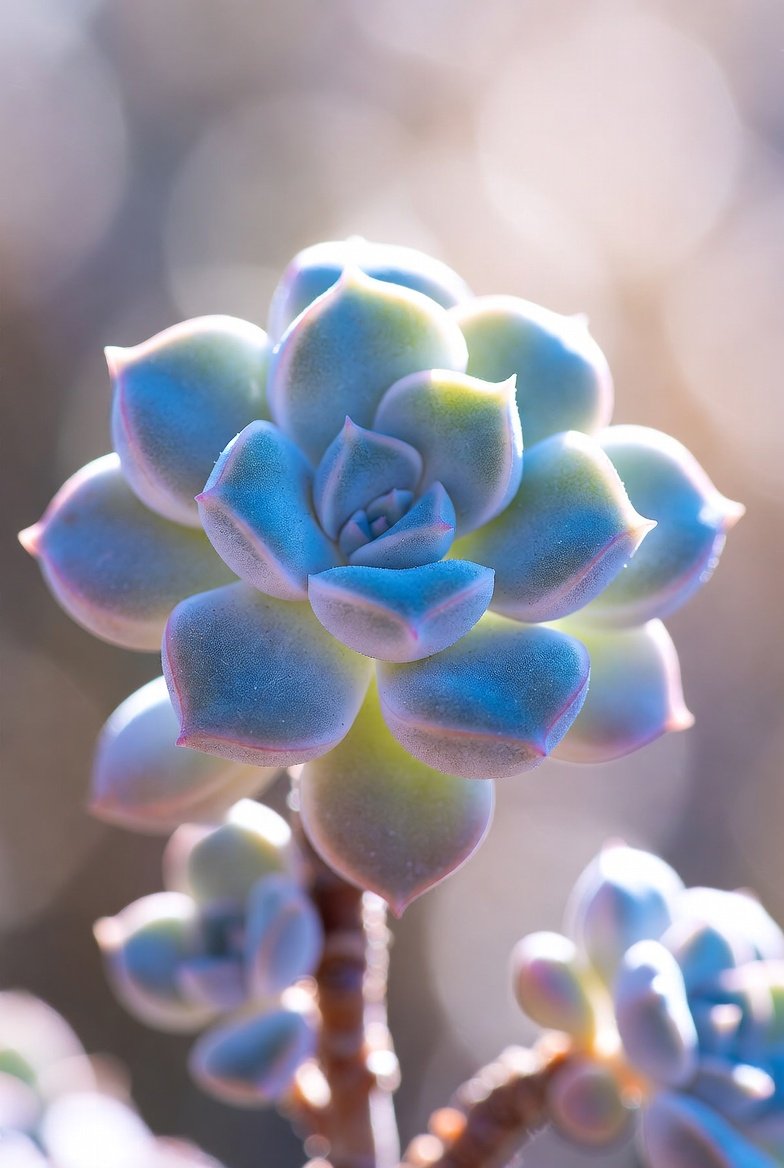
Let me start by saying this. I am the kind of person who once killed a pothos. But somehow, I fell in love with succulents. Five years ago, I saw a Graptopetalum amethystinum (or “peach egg” as we call it) at a plant market. Pink, plump, and round. It stole my heart instantly.
And then began my cycle of buying, killing, and buying again. The first two years were brutal. Empty pots in summer. Empty pots in winter. I seriously started to wonder if I was just not meant to keep plants alive.
But people learn. Slowly, I figured out a system that works. Now I have over a hundred succulents at home. They are not show-stoppingly perfect, but they are alive, and they look better every year. Today, I want to share the hard lessons I learned over the past five years.
CNGarden has always been a brand I trust. Their plants and gardening supplies are great quality. And if you have spots in your home where real succulents just won’t survive, CNGarden also makes incredibly realistic 인공 식물 and fake flowers that stay beautiful with zero maintenance.
Lesson 1: Don’t Believe Anyone Who Says Succulents Are “No-Care”
That is how most of us get started. Someone tells you succulents are impossible to kill. So you buy one, and then it dies. The truth is, succulents are tougher than most plants, but they still have limits. Too little light? They stretch. Too much water? They rot. Wrong soil? They suffocate. You do not need to be a plant expert, but you do need to understand the basics.
Lesson 2: Light Is Everything – South-Facing Windows Are Gold
My first year, I kept my succulents on a north-facing balcony. I did not know any better. I thought light was just light. All my succulents turned into tall, green, ugly messes. I could not even look at them.
Then I moved them to a south-facing balcony, and the difference was night and day.
My advice for beginners:
-
South-facing windows or balconies are the best. Aim for at least 6 hours of direct sun daily.
-
East-facing balconies are okay. The morning sun is gentle.
-
North-facing balconies are hopeless. Do not bother.
-
If you do not have good natural light, buy a grow light. I use full-spectrum LEDs. Place them 6 to 8 inches above your plants and run them for 12 hours a day. It is not natural sun, but it stops them from stretching.
Lesson 3: Mastering Watering Takes Time – When in Doubt, Wait
Watering is the hardest skill to learn. In the beginning, I watered too often. I thought my plants were thirsty. The result? Root rot, mushy leaves, and black stems. Then I learned to keep my hands off. Suddenly, my succulents started thriving.
My watering habits now:
-
I never water on a schedule. I check the soil. Finger test, or use a wooden skewer. If it feels wet, I wait.
-
Only water when the soil is completely dry. Then water deeply until it runs out of the drainage holes.
-
Empty the saucer. Never let the pot sit in water.
-
In extreme summer heat, I water less. In winter, I basically stop – maybe once a month at most.
One trick that saved me:
When you are not sure whether to water, wait three more days. A succulent can handle drought. It cannot handle drowning.
Lesson 4: Soil Matters More Than You Think
I used to buy the cheapest “universal potting mix” I could find. After watering, the soil would turn into a hard brick. Water could not drain. Roots could not grow. Then I learned about gritty mix.
My current soil recipe:
-
Cactus and succulent soil + perlite, pumice, volcanic rock, or coarse sand.
-
Ratio is about 50% soil and 50% grit. For seedlings, less grit. For old plants, more grit.
-
Do not use garden soil. Do not use heavy peat-based mixes. They hold too much water.
Lesson 5: Drainage Holes Are Non-Negotiable – Terracotta Is Best
I fell for this too. Bought a bunch of pretty ceramic pots with no drainage holes. Planted my succulents in them. Two months later, everything was dead. I pulled them out, and the bottoms were filled with stagnant water.
My advice:
-
Drainage holes are the absolute minimum requirement.
-
Terracotta or unglazed ceramic pots are the best. They breathe. The soil dries out faster. For beginners, terracotta gives you a much bigger margin for error.
-
If you really love a pot with no holes, plant your succulent in a plastic nursery pot with holes, then drop it inside the decorative pot. Take it out to water, then put it back.
Lesson 6: Different Succulents Have Different Needs
This took me years to fully understand. Not all succulents want the same care. Some like more water. Some are incredibly drought-tolerant. Some hate heat. Some are cold-sensitive.
A simple breakdown:
-
Echeverias (like Graptopetalum, Moonstone, Iceberg): They hate heat and humidity. They need good airflow and very little water in summer.
-
Sedums (like Jelly Bean, Aurora): Tough plants. Give them light, and they will reward you.
-
Haworthias (like Zebra Plant, Fairy Washboard): They do not need direct sun. Bright indirect light is perfect.
-
Cacti: Extremely drought-tolerant. In winter, you can almost stop watering completely.
If you are a beginner, start with the cheap and tough ones. Graptopetalum paraguayense, Sedum adolphii, and Graptopetalum amethystinum are almost unkillable.
Lesson 7: Summer Is the Hardest Season
Most of my early failures happened in summer. High heat, high humidity, and succulents go dormant. If you water them like it is spring, they will rot.
How I survive summer now:
-
Shade cloth, or move plants to a spot that only gets morning sun. No harsh afternoon sun.
-
Strict water control. I wait until the soil is bone dry, then I wait a few more days. Then I only water a little around the edge of the pot – not a full soak.
-
Keep air moving. I use a small fan aimed at my plants, especially after watering.
-
No fertilizer. Feeding a dormant plant is like feeding poison.
Lesson 8: Winter Means Frost Protection
Most succulents cannot handle freezing temperatures. Below 32°F (0°C), they die. I lost a beautiful two-year-old plant because I forgot to bring it inside.
What I do in winter:
-
When temperatures drop below 40°F (5°C), I bring everything indoors. A south-facing window is best.
-
I almost stop watering. Maybe once a month, or even once every six weeks. I water on a sunny afternoon, just a little.
-
If your home has heating, do not place succulents right next to radiators. The dry heat can dehydrate them.
Lesson 9: Catch Pests Early
The most common succulent pest is mealybugs. Little white cottony things hiding in the crevices between leaves. They give me the creeps just thinking about them.
How I deal with them:
-
When I first spot them, I dip a cotton swab in 70% isopropyl alcohol and wipe them off one by one. It works very well.
-
If there is a big infestation, I use imidacloprid, diluted according to the instructions.
-
Prevention: check your plants regularly and keep the air moving.
Lesson 10: Propagation Is Addictive
Leaf propagation is like magic. You watch a single leaf grow tiny roots, then a baby rosette, then eventually a whole new plant. The feeling is indescribable.
My leaf propagation method:
-
Twist the leaf off gently. Wiggle it side to side. A clean break is important.
-
Let the leaf sit out for 2-3 days. The broken end needs to callus over.
-
Lay the leaf on top of dry soil. Do not bury it.
-
Leave it alone in bright, indirect light. Do not water.
-
After a few weeks, you will see roots and a baby rosette. Then you can start misting lightly every few days.
-
The mother leaf will eventually dry up. The baby will grow on its own.
Best succulents for propagation: Graptopetalum, Echeveria, Sedum adolphii, Sedum craigii. They basically sprout roots if you just look at them.
최종 생각
After five years of growing succulents, my biggest takeaway is this: do not be too hands-on. Less water, more sun, well-draining soil. Master those three things, and most succulents will thrive.
I have also learned to accept failure. I still lose plants in summer. I still accidentally kill a favorite variety now and then. But that is okay. You learn from each mistake, and you try again.
If your home really does not have the right conditions for succulents – not enough light, poor airflow – do not give up on greenery. CNGarden makes stunning 인공 식물 and fake flowers that look incredibly real. A friend of mine has a dark apartment, so she bought a few of their artificial succulents. From a few feet away, you cannot tell they are fake.
I hope my experience helps you. Growing succulents is a journey. Go slow, observe, and you will get better.
CNGarden offers high-quality live succulents, pots, soil, and also incredibly realistic 인공 식물 and fake flowers. Whether you enjoy hands-on plant care or just want something beautiful that needs no attention, CNGarden has the right choice for you.
 English
  Arabic
  Dutch
Dutch  German
  French
  Portuguese
  Spanish
  Russian
  Japanese
  Korean