

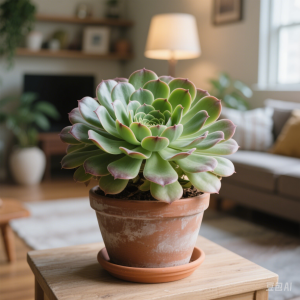
Getting the soil and container right for your succulents is like setting them up in the perfect home—it makes all the difference between a plant that merely survives and one that truly thrives. Many succulent problems actually start underground, with issues stemming from poor drainage or inappropriate potting conditions. Understanding what makes the ideal growing environment will help you avoid common pitfalls and set your plants up for long-term success.
Let’s start with soil because this is where many beginners go wrong. Regular potting soil just doesn’t cut it for succulents—it holds too much moisture and stays wet for too long, which leads directly to root rot. What you need is a fast-draining mix that mimics the well-draining conditions of succulents’ natural habitats. The perfect succulent soil should feel coarse and gritty, not dense and peat-heavy. You’ll know you have the right mix when water poured onto the surface drains straight through rather than pooling on top. Many garden centers carry pre-made cactus and succulent mixes that work reasonably well, but creating your own custom blend gives you complete control over the ingredients.
Making your own succulent soil is easier than you might think. Start with a base of regular potting soil—this provides some organic matter and nutrients—then add equal parts of drainage materials. Coarse sand (the kind used in construction, not beach sand), perlite, and pumice are all excellent choices. The sand adds weight and improves drainage, perlite keeps the mix light and aerated, and pumice provides both drainage and minor mineral content. A good starting ratio is one part potting soil to one part drainage material, though you might increase the drainage components to two parts if you tend to overwater or if you’re growing particularly sensitive species like Lithops or Sedum. The goal is to create a mix that allows water to flow through quickly while still holding just enough moisture for the roots to access.
The choice of pot material significantly impacts how quickly your soil dries out. Terra cotta or clay pots are the gold standard for succulents because they’re porous, allowing moisture to evaporate through the pot walls. This natural “breathing” action helps prevent soil from staying soggy. Glazed ceramic pots look beautiful but dry out more slowly, so you’ll need to adjust your watering frequency accordingly. Plastic pots retain moisture the longest and work best for experienced growers who have their watering schedule dialed in. Whatever material you choose, drainage holes are non-negotiable—without them, water pools at the bottom, creating perfect conditions for root rot to develop.
Pot size matters more than most people realize. The temptation to give a small plant a large home is understandable but problematic. An oversized pot contains more soil than the plant’s roots can access, and that excess soil stays wet for extended periods. A good rule is to choose a pot that gives your plant’s roots about an inch of growing room on all sides. As your succulent grows, you can gradually move it to slightly larger containers. This “potting up” approach is much healthier than plopping a small plant into a massive container. The shape of the pot also influences soil drying time—wider, shallower pots typically dry faster than deep, narrow ones, making them ideal for succulents with shallow root systems.
The commercial succulent industry has developed specialized growing media to accommodate large-scale production. Those massive succulent factory operations you find when searching terms like succulent china or succulents china use highly engineered soil blends designed for optimal drainage and rapid growth. These commercial mixes often contain ingredients like rice hulls, coco coir, and various mineral components that provide consistent results across thousands of plants. While home growers don’t need industrial-scale solutions, understanding these commercial practices can inform our own soil choices.
Different succulent types have slightly different soil preferences. Desert-dwelling cacti from the Cactaceae family generally prefer the grittiest mixes with minimal organic matter. Jade Plants and other Crassulaceae members tolerate a bit more organic content in their soil. Forest-growing succulents like Christmas Cactus actually appreciate more humus-rich mixes that retain slightly more moisture. Knowing where your plants originate helps you fine-tune your soil recipe to match their natural preferences. Even among 쉽게 자라는 즙이 많은 식물 varieties, there are subtle differences in soil preferences that can affect their overall health and appearance.
Top dressing—the decorative layer of stones or gravel placed on top of the soil—serves both aesthetic and practical purposes. A nice layer of crushed granite, pea gravel, or decorative stones gives your pots a finished, professional look while helping keep the soil surface in place during watering. More importantly, it creates a barrier between the soil and the base leaves of your plants, preventing moisture from being trapped against the stem where it could cause rot. Just avoid using moisture-retentive materials like moss or bark chunks as top dressing for succulents.
When it’s time to repot—typically every 2-3 years or when roots start circling the bottom—you have an opportunity to refresh the soil and check the root health. Gently remove the plant from its old container, shake off the old soil, and inspect the roots. Healthy roots should be firm and white or light-colored. Trim away any dark, mushy roots with clean scissors before repotting in fresh soil. After repotting, wait about a week before watering to allow any disturbed roots to recover and prevent potential rot.
The combination of well-draining soil and appropriate containers creates the foundation for healthy succulent growth. With the right setup, your plants will develop strong root systems, show vibrant colors, and resist common problems like rot and pests. While it might take a little experimentation to find the perfect soil recipe and pot selection for your specific growing conditions, the effort pays off in healthier, more beautiful plants that bring you joy for years to come. Remember that even with perfect soil and pots, proper watering practices remain essential—the best soil in the world won’t save plants that are consistently overwatered.
 English
  Arabic
  Dutch
Dutch  German
  French
  Portuguese
  Spanish
  Russian
  Japanese
  Korean