

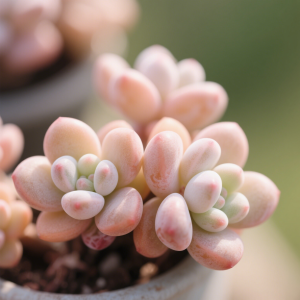
When I moved into my tiny apartment with just a 5×8 foot balcony, I knew I wanted to create a lush green space without breaking the bank. After researching low-maintenance plants, I discovered succulents were the perfect solution – drought-tolerant, affordable, and able to thrive in containers. One year later, my balcony has transformed into a stunning succulent paradise that draws compliments from neighbors. Here’s exactly how I created this oasis while spending less than $200 total.

The first step was assessing my growing conditions. My south-facing balcony gets about 6 hours of direct sunlight daily, perfect for most sun-loving succulents. I measured all dimensions and created a rough layout plan to maximize space. Vertical gardening would be key – using wall space and railing planters to grow upwards. I started collecting inexpensive containers from thrift stores, garage sales, and dollar stores. Terra cotta pots proved ideal for their breathability and classic look. I drilled drainage holes in all containers using a masonry bit.
For soil, I mixed my own well-draining blend using 2 parts potting soil, 1 part coarse sand, and 1 part perlite. This cost about $20 total versus $8-10 per bag for commercial cactus mix. I began acquiring plants through smart shopping – local nursery clearance racks, succulent swap meets, and even propagating from single leaves of friend’s plants. Some of my best finds included a $3 echeveria with minor cosmetic damage that fully recovered, and free cuttings from a neighbor’s overgrown sedum.
The layout followed key design principles. Larger specimens like agaves and crassulas went in back as focal points. Medium-sized echeverias and graptoverias filled the middle zone. Trailing varieties like string of pearls and burro’s tail cascaded from hanging planters and railings. I grouped plants with similar water and light needs together. A small folding table became my potting station and display area for smaller pots.
Watering this collection efficiently was crucial. I installed a simple drip irrigation system using a $25 kit from the hardware store, running tubing along the railing with adjustable emitters for each planting zone. This saves hours of hand-watering and ensures consistent moisture. During rainy periods, I move more sensitive succulents under the eaves to prevent overwatering. Fertilizing happens just 3-4 times yearly with a diluted balanced formula.
Protecting plants from extreme weather required creative solutions. When winter temperatures drop below freezing, I move the most tender succulents indoors to a sunny windowsill. Others get protected with frost cloth secured over a simple PVC frame. During intense summer heat, a sheer curtain hung across the railing provides afternoon shade. These adjustments have kept my plants thriving through all seasons.
The vertical garden components make the biggest visual impact. A $15 wire grid panel mounted to the wall holds an assortment of small pots at different levels. Repurposed wooden pallets became rustic shelving units after sanding and weatherproofing. Even an old shoe organizer with pockets makes perfect hanging space for petite succulents. These space-saving ideas allowed me to grow over 50 plants in the limited area.
Pest control stays simple and organic. Regular inspections catch problems early. A spray bottle with 70% alcohol handles mealybugs. Diatomaceous earth sprinkled on soil prevents fungus gnats. Good airflow between plants and avoiding overcrowding are the best prevention methods. I quarantine new plants for two weeks before introducing them to the collection.
The finishing touches brought everything together. Solar-powered string lights create magical evening ambiance. A small water feature made from a recirculating pump and stone bowl adds soothing sounds. Decorative pebbles as top dressing unify the look while helping retain soil moisture. The color scheme focuses on natural terra cotta, gray stone, and white accents to let the plants’ hues shine.
Total costs broke down to about $60 for containers, $40 for soil components, $50 for initial plants (many since propagated), $25 for irrigation, and $20 for accessories – well under my $200 budget. The ongoing costs are minimal – just replacement soil and the occasional new plant addition. My balcony now serves as both a relaxing retreat and a source of pride. The succulents’ changing colors through seasons provide constant interest, from winter blues to summer stress colors.
This project proved you don’t need a big budget or yard to create a stunning succulent display. With smart planning, creative reuse of materials, and patience to grow your collection gradually, anyone can transform a small space into a thriving oasis. The key lessons? Start with good drainage, understand your light conditions, propagate to save money, and don’t be afraid to experiment with arrangements until you find what works.
What creative ways have you found to grow succulents in small spaces? Share your tips and photos in the comments!
 English
  Arabic
  Dutch
Dutch  German
  French
  Portuguese
  Spanish
  Russian
  Japanese
  Korean