

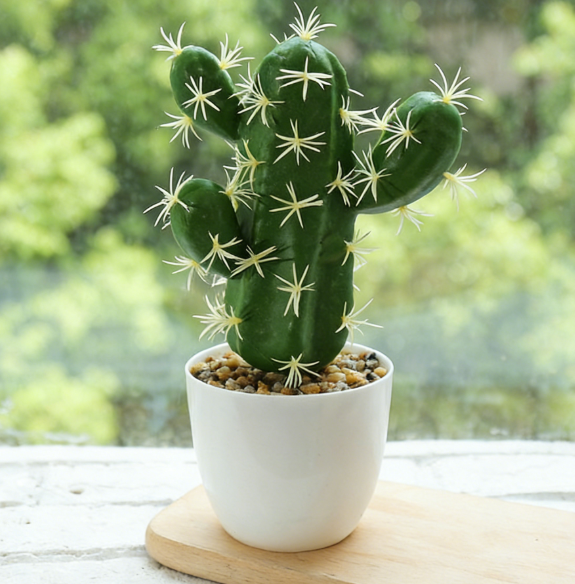
Succulents have earned their spot as one of the most beloved houseplants, thanks to their architectural beauty, array of textures and colors, and remarkable resilience. In a sunny city like Los Angeles, where dry air and abundant natural light create near-perfect conditions, succulents can truly shine—indoors on bright windowsills or outdoors on patios and balconies. At cngarden, we’re dedicated to supplying top-quality healthy succulents, specialized succulent soil mix, and all the gardening supplies you need to succeed.
This complete guide to how to care for succulents covers the core principles every plant owner should know, with practical advice tailored to Southern California’s climate.


Succulents are water-storing plants adapted to survive extended dry periods. Their thick, fleshy leaves, stems, or roots act as reservoirs, which is why they dislike constantly moist conditions. Popular indoor favorites include Echeveria (rosette queens with powdery farina), Haworthia (compact, zebra-striped beauties), Sedum (trailing or mounding varieties), and Aloe (medicinal and sculptural).
In Los Angeles, many succulents thrive outdoors year-round with minimal frost risk. Hardy types like Sempervivum, certain Sedums, and Agaves handle occasional cool nights well. Soft succulents (most colorful Echeverias, Graptopetalums) prefer protection from rare cold snaps and intense midday summer sun.
Always research your specific variety—some crave full sun, others prefer bright indirect light. Starting with forgiving, beginner-friendly plants builds confidence fast.
Watering Succulents the Right Way
Overwatering remains the #1 reason succulents fail. The golden rule: water deeply but infrequently, allowing complete dry-out between sessions.
Use the soak and dry method: thoroughly saturate the soil until water runs freely from the drainage holes, then wait until the entire pot is dry before watering again. In LA’s warm, low-humidity environment:
- Spring/Summer (active growth): every 10–14 days
- Fall/Winter (slower/dormant): every 3–5 weeks, sometimes longer
Test soil moisture by inserting a finger or wooden skewer 1–2 inches deep—if dry, water. Never rely on a fixed schedule; factors like pot size, light intensity, and temperature all influence needs.
Signs to watch:
- Overwatering: soft, yellow/translucent leaves; mushy stems; black roots
- Underwatering: wrinkled, shriveled, or flattened leaves; dry soil pulling from pot edges
Use a narrow-spout watering can for precision and avoid wetting leaves to prevent rot. Our watering equipment selection includes tools designed for succulents.

Light: The Key to Compact, Colorful Growth
Succulents need plenty of bright light to stay compact and display their best colors. Insufficient light causes etiolation—stretched, leggy stems with widely spaced leaves.
Ideal indoor placement: south- or west-facing windows with 6+ hours of direct or bright indirect sun. In Los Angeles apartments, this is usually easy to achieve. East-facing windows provide gentler morning light, perfect for many soft succulents.
If your space is shadier, supplement with full-spectrum grow lights on a 12–14 hour timer. Outdoors, acclimate gradually to prevent sunburn (bleached or brown patches). Morning sun + afternoon shade works best for most varieties during hot summers.
Color intensity often increases with more sun—blues, pinks, purples, and reds deepen beautifully. Rotate pots every week or two for even growth.

Soil, Pots & Drainage: Non-Negotiable Basics
Succulents demand fast-draining conditions. Standard potting soil stays wet too long and causes root rot.
Use a gritty succulent soil mix:
- 1 part coco coir or potting soil
- 1–2 parts perlite/pumice/coarse sand
This ensures quick drainage and excellent aeration. cngarden’s premium blends are pre-mixed and ready to use.
Pots must have drainage holes. Terracotta is ideal—its porous nature helps soil dry faster, forgiving minor overwatering mistakes. Plastic or glazed ceramic works too, but monitor moisture closely.
Skip the myth of adding gravel or rocks at the bottom—it actually creates a perched water table that keeps roots wetter longer. Repot in spring using fresh mix, and choose a pot only 1–2 inches larger than the current one.
Fertilizing, Propagation & Pest Prevention
Fertilize sparingly during active growth (spring–summer) with a diluted (¼–½ strength) balanced or cactus-specific fertilizer every 4–6 weeks. Skip winter entirely.
Propagation is incredibly rewarding and easy:
- Leaf cuttings: twist off healthy leaves, let callus 2–5 days, lay on soil.
- Offsets/pups: separate from mother plant when large enough and pot up.
- Stem cuttings: snip, dry ends, then plant.
Use our propagation-friendly tools and mixes for best success.
Pests like mealybugs (white cottony spots) and spider mites are common but manageable. Wipe with 70% isopropyl alcohol or use neem/insecticidal soap. Good airflow and avoiding overcrowding prevent most fungal issues.


Wrapping Up: Succulents Made Simple
Caring for succulents boils down to bright light, infrequent deep watering, excellent drainage, and minimal fuss. In Los Angeles’ favorable climate, your plants can look stunning with very little effort—many will reward you with flowers, offsets, and vivid seasonal color changes.
Ready to start or expand your collection? Visit cngarden for vibrant, healthy succulents, fast-draining soils, stylish pots, grow lights, and everything else you need. Whether you’re decorating a sunny balcony, office desk, or cozy living room, succulents bring effortless style and joy.
Happy growing!
 English
  Arabic
  Dutch
Dutch  German
  French
  Portuguese
  Spanish
  Russian
  Japanese
  Korean