

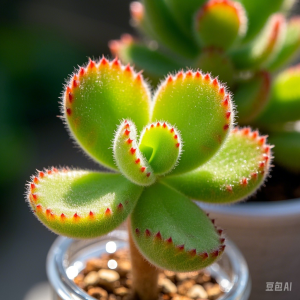
For succulent lovers, these remarkable plants hold a special charm that goes far beyond their trendy reputation. With their sculptural forms, stunning color variations, and incredible adaptability, Sukkulenten have captured the hearts of collectors and casual growers alike. What makes them truly extraordinary is how they bridge the gap between living art and resilient nature – whether you’re cultivating a windowsill display of rare Echeveria hybrids or maintaining an outdoor succulent garden in arid climates, these plants reward your passion with endless variety and surprising personality.
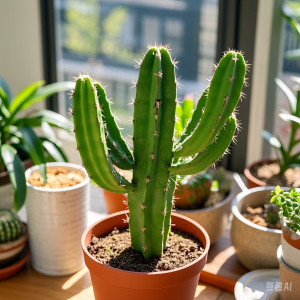
Opuntia
In this guide, we’ll explore everything you need to know about succulent care, including watering, sunlight, soil requirements, and common problems. By the end, you’ll be a succulent expert ready to grow a stunning collection!
Why Are Succulents So Popular?
Succulent plants have gained massive popularity for several reasons:
1. Low Maintenance – Unlike many other plants, succulents don’t need constant attention. They store water in their leaves, making them drought-resistant.
2. Variety of Shapes & Colors – From the Echeveria to the Haworthia, succulents come in endless varieties, each with unique textures and hues.
3. Perfect for Small Spaces – Whether in a tiny apartment or a large garden, succulents fit anywhere—even in succulent terrariums!
4. Air-Purifying Qualities – Some succulents, like the Snake Plant (Sansevieria), help clean the air by removing toxins.
Best Types of Succulents for Beginners
If you’re new to growing succulent plants, start with these easy-to-care-for varieties:
– Echeveria – Rosette-shaped with stunning colors.
– Aloe Vera – Great for healing and easy to grow.
– Jade Plant (Crassula ovata) – A symbol of good luck.
– Haworthia – Small, striped, and perfect for indoor spaces.
– Sedum (Stonecrop) – Hardy and great for ground cover.
Each of these types of succulents has slightly different needs, but all are forgiving for beginners.
Essential Succulent Care Tips
1. Watering Succulents Correctly
One of the biggest mistakes people make is overwatering succulents. Since they store water in their leaves, they don’t need frequent watering. Here’s how to do it right:
– Soak & Dry Method – Water deeply, then let the soil dry completely before watering again.
– Avoid Misting – Succulents prefer deep watering over light sprays.
– Signs of Overwatering – Yellow, mushy leaves mean you’re giving too much water.
2. Sunlight Requirements for Succulents
Most succulent plants love bright, indirect sunlight. However, some can handle direct sun, while others prefer shade.
– Full Sun Succulents – Sempervivum, Agave, and Sedum thrive in direct sunlight.
– Low-Light Succulents – Zamioculcas (ZZ Plant) and Gasteria do well in shade.
If your succulent is stretching (etiolation), it needs more light!
3. Best Soil for Succulents
Regular potting soil holds too much moisture, which can cause root rot. Instead, use:
– Cactus & Succulent Mix – A well-draining soil blend.
– DIY Mix – Combine potting soil with perlite or sand for better drainage.
4. Choosing the Right Pot
Always use pots with drainage holes to prevent waterlogging. Terracotta pots are excellent because they absorb excess moisture.
Common Succulent Problems & Solutions
Even with the best care, succulent plants can face issues. Here’s how to fix them:
1. Overwatering & Root Rot
Symptoms: Soft, discolored leaves, black stems.
Solution: Stop watering, remove damaged parts, repot in dry soil.
2. Underwatering
Symptoms: Wrinkled, dry leaves.
Solution: Give a deep soak and adjust your watering schedule.
3. Pests (Mealybugs, Spider Mites)
Solution: Wipe leaves with alcohol or use insecticidal soap.
4. Leggy or Stretched Succulents
Die Ursache: Zu wenig Sonnenlicht.
Lösung: An einen helleren Standort versetzen und bei Bedarf beschneiden.
Vermehrung von Sukkulenten: Züchten Sie Ihre Sammlung kostenlos!
Eines der besten Merkmale von Sukkulenten ist, dass sie sich leicht vermehren lassen. So geht's:
1. Blattvermehrung - Drehen Sie ein gesundes Blatt vorsichtig um, lassen Sie es ein paar Tage trocknen und legen Sie es dann in die Erde.
2. Stammstecklinge - Schneiden Sie einen Stamm ab, lassen Sie ihn verholzen und pflanzen Sie ihn dann in Erde ein.
3. Ableger (Jungpflanzen) - Viele Sukkulenten, wie Sempervivum, produzieren Jungpflanzen, die Sie abtrennen und neu einpflanzen können.
Kreative Möglichkeiten, Sukkulenten zu präsentieren
Sukkulenten sind vielseitig und können auf viele Arten stilvoll präsentiert werden:
- Sukkulenten-Terrarien - Glasbehälter mit geschichteten Steinen und Erde.
- Vertikale Gärten - perfekt für kleine Räume.
- Fairy Gardens - Miniaturlandschaften mit winzigen Sukkulenten.
- Hängende Pflanzgefäße - Rankende Sukkulenten wie String of Pearls sehen in hängenden Töpfen fantastisch aus.
Abschließende Überlegungen: Genießen Sie Ihre Sukkulenten-Reise!
Die Aufzucht von Sukkulenten ist ein lohnendes Hobby, das Schönheit und Ruhe in jeden Raum bringt. Mit der richtigen Pflege - richtiges Gießen, Sonnenlicht und Erde - werden Ihre Sukkulenten jahrelang gedeihen.
Beginnen Sie mit einfachen Sorten, experimentieren Sie mit der Vermehrung, und haben Sie Spaß daran, einzigartige Arrangements zu gestalten. Im Handumdrehen haben Sie eine beeindruckende Sukkulentensammlung, um die Sie alle Ihre Freunde beneiden werden!
Sind Sie bereit, Ihren Sukkulentengarten anzulegen? Teilen Sie Ihre Lieblingstipps für Sukkulenten in den Kommentaren!
 English
  Arabic
  Dutch
Dutch  German
  French
  Portuguese
  Spanish
  Russian
  Japanese
  Korean