

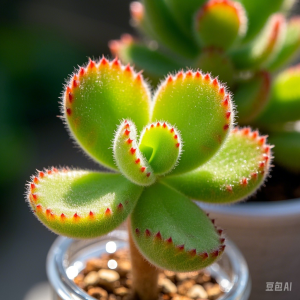
For succulent lovers, these remarkable plants hold a special charm that goes far beyond their trendy reputation. With their sculptural forms, stunning color variations, and incredible adaptability, 다육 식물 have captured the hearts of collectors and casual growers alike. What makes them truly extraordinary is how they bridge the gap between living art and resilient nature – whether you’re cultivating a windowsill display of rare Echeveria hybrids or maintaining an outdoor succulent garden in arid climates, these plants reward your passion with endless variety and surprising personality.

Opuntia
In this guide, we’ll explore everything you need to know about succulent care, including watering, sunlight, soil requirements, and common problems. By the end, you’ll be a succulent expert ready to grow a stunning collection!
Why Are Succulents So Popular?
Succulent plants have gained massive popularity for several reasons:
1. Low Maintenance – Unlike many other plants, succulents don’t need constant attention. They store water in their leaves, making them drought-resistant.
2. Variety of Shapes & Colors – From the Echeveria to the Haworthia, succulents come in endless varieties, each with unique textures and hues.
3. Perfect for Small Spaces – Whether in a tiny apartment or a large garden, succulents fit anywhere—even in succulent terrariums!
4. Air-Purifying Qualities – Some succulents, like the Snake Plant (Sansevieria), help clean the air by removing toxins.
Best Types of Succulents for Beginners
If you’re new to growing succulent plants, start with these easy-to-care-for varieties:
– Echeveria – Rosette-shaped with stunning colors.
– Aloe Vera – Great for healing and easy to grow.
– Jade Plant (Crassula ovata) – A symbol of good luck.
– Haworthia – Small, striped, and perfect for indoor spaces.
– Sedum (Stonecrop) – Hardy and great for ground cover.
Each of these types of succulents has slightly different needs, but all are forgiving for beginners.
Essential Succulent Care Tips
1. Watering Succulents Correctly
One of the biggest mistakes people make is overwatering succulents. Since they store water in their leaves, they don’t need frequent watering. Here’s how to do it right:
– Soak & Dry Method – Water deeply, then let the soil dry completely before watering again.
– Avoid Misting – Succulents prefer deep watering over light sprays.
– Signs of Overwatering – Yellow, mushy leaves mean you’re giving too much water.
2. Sunlight Requirements for Succulents
Most succulent plants love bright, indirect sunlight. However, some can handle direct sun, while others prefer shade.
– Full Sun Succulents – Sempervivum, Agave, and Sedum thrive in direct sunlight.
– Low-Light Succulents – Zamioculcas (ZZ Plant) and Gasteria do well in shade.
If your succulent is stretching (etiolation), it needs more light!
3. Best Soil for Succulents
Regular potting soil holds too much moisture, which can cause root rot. Instead, use:
– Cactus & Succulent Mix – A well-draining soil blend.
– DIY Mix – Combine potting soil with perlite or sand for better drainage.
4. Choosing the Right Pot
Always use pots with drainage holes to prevent waterlogging. Terracotta pots are excellent because they absorb excess moisture.
Common Succulent Problems & Solutions
Even with the best care, succulent plants can face issues. Here’s how to fix them:
1. Overwatering & Root Rot
Symptoms: Soft, discolored leaves, black stems.
Solution: Stop watering, remove damaged parts, repot in dry soil.
2. Underwatering
Symptoms: Wrinkled, dry leaves.
Solution: Give a deep soak and adjust your watering schedule.
3. Pests (Mealybugs, Spider Mites)
Solution: Wipe leaves with alcohol or use insecticidal soap.
4. Leggy or Stretched Succulents
Cause: Not enough sunlight.
Solution: Move to a brighter spot and prune if needed.
Propagating Succulents: Grow Your Collection for Free!
One of the best things about succulent plants is how easy they are to propagate. Here’s how:
1. Leaf Propagation – Gently twist a healthy leaf, let it dry for a few days, then place it on soil.
2. Stem Cuttings – Cut a stem, let it callous, then plant it in soil.
3. Offsets (Pups) – Many succulents, like Sempervivum, produce baby plants you can separate and replant.
Creative Ways to Display Succulents
Succulents are versatile and can be displayed in many stylish ways:
– Succulent Terrariums – Glass containers with layered rocks and soil.
– Vertical Gardens – Perfect for small spaces.
– Fairy Gardens – Miniature landscapes with tiny succulents.
– Hanging Planters – Trailing succulents like String of Pearls look amazing in hanging pots.
Final Thoughts: Enjoy Your Succulent Journey!
Growing succulent plants is a rewarding hobby that brings beauty and tranquility to any space. With the right care—proper watering, sunlight, and soil—your succulents will thrive for years.
Start with easy varieties, experiment with propagation, and have fun designing unique displays. Before you know it, you’ll have a stunning succulent collection that’s the envy of all your friends!
Ready to start your succulent garden? Share your favorite succulent tips in the comments!
 English
  Arabic
  Dutch
Dutch  German
  French
  Portuguese
  Spanish
  Russian
  Japanese
  Korean