

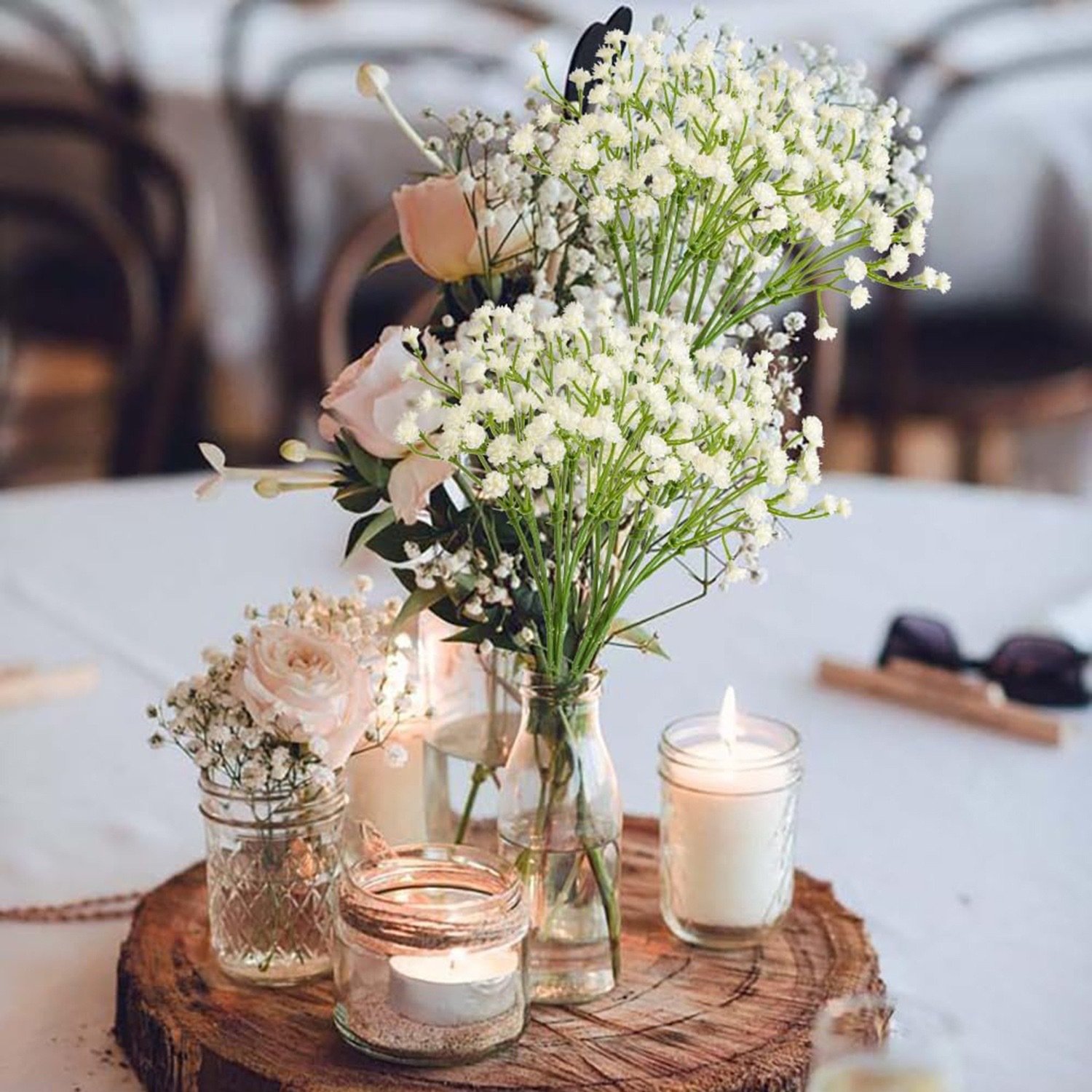
Let’s address the elephant in the room: artificial plants have a reputation problem they no longer deserve. The secret? Knowing the unspoken rules that separate a tasteful installation from a tacky eyesore. This isn’t about hiding the truth; it’s about elevating your choices to create spaces that feel curated, intentional, and effortlessly chic.

%类别%
Forget everything you think you know about plantas falsas. The new rulebook is written by interior designers and savvy homeowners who prioritize atmosphere over authenticity.
The Foundational Rule: Intent Over Imitation
The first and most important rule is to shift your mindset. You are not buying a “fake” version of something. You are selecting a permanent botanical element for your home. This distinction is everything. It moves the decision from a place of lack (“I can’t keep the real thing alive”) to a place of power (“I choose beauty that lasts”).
This intent changes how you shop, where you place items, and how you talk about them. An artificial plant chosen with purpose carries a different energy than one chosen as a last resort.
The Five Unbreakable Style Commandments
These are the non-negotiables that the most stylish homes follow.
-
Thou Shalt Invest in the Vessel. The pot, planter, or vase is not an afterthought; it is half of the composition. A beautiful artificial plant in a cheap, shiny plastic pot is a wasted opportunity. Choose ceramics, aged terra cotta, woven baskets, or modern concrete planters that complement your decor. This step alone elevates any piece.
-
Thou Shalt Commit to the Fluff. Never, ever place a fake plant as it comes out of the box. Real plants are not perfectly symmetrical. Spend 10-15 minutes gently bending stems, separating leaves, and arranging blooms to create natural asymmetry and depth. This “destyling” is what creates realism.
-
Thou Shalt Become a Dusting Devotee. Dust is the ultimate betrayer of artificial greenery. A monthly once-over with a microfiber cloth, a soft brush, or a can of compressed air is non-negotiable. This simple act maintains the “fresh” look and shows you care for your decor.
-
Thou Shalt Create Context, Not Clutter. A artificial plant floating alone on a blank table looks like a store display. Integrate it. Place it on a stack of books, next to a ceramic sculpture, or behind a framed photo. Surround it with textures (wood, linen, stone) to ground it in a real environment.
-
Thou Shalt Edit Ruthlessly. More is not always better. One perfectly placed, high-quality artificial flower arrangement has more impact than five cheap ones scattered about. Curate your collection. If a piece no longer brings joy or serve a purpose, store it or pass it on.
The Material Hierarchy: Knowing What You’re Buying
Not all flores artificiais are created equal. Understanding materials helps you spend wisely.
-
Top Tier (Investment Pieces): Look for Polyethylene (PE). This is the gold standard for realistic fake flowers. It’s a flexible plastic molded from real plants, capturing incredible detail like vein texture and natural imperfections. Often found in specialty boutiques or high-end artificial flowers wholesale catalogs.
-
Middle Tier (Excellent Workhorses): Silk & High-Grade Fabric Blends. Modern treated fabrics are exceptional for petals and delicate leaves. They have a soft drape and can be dyed with sophisticated color variation. This is where many of the best artificial flowers from reputable online brands live.
-
Foundational Tier (For Volume & Impact): Plastic & Polyester. Used well in larger artificial greenery where fine detail is less critical from a distance (like a topiary ball or artificial hanging plants for a high ceiling). The key here is a matte finish—avoid anything shiny.
The Source Code: Where the Pros Shop (And You Can Too)
You don’t need a designer’s secret list. You need strategy.
-
For the “I Need to See It” Purchase: O seu “artificial flowers near me” search should focus on home decor boutiques, not just craft stores. Touching the leaves and seeing the color in your local light is invaluable.
-
For the “I Know What I Want” Purchase: Online retailers like those offering Amazon artificial flowers are perfect. Your superpower is the “Customer Images” section. See how it looks in real homes, not a studio.
-
For the “I’m Doing a Big Project” Purchase: This is when you explore artificial flowers wholesale sites. Many sell to the public with reasonable minimums. Order samples first—always.
-
For the “I Want Something Truly Special” Purchase: Seek out small businesses and artisans on platforms like Etsy or dedicated plantas falsas websites. Look for words like “hand-assembled,” “custom,” or “real touch.”
The Placement Protocol: Psychology of Space
Where you put your artificial plant changes how it’s perceived.
-
The Welcoming Committee: A pair of artificial plants in nice pots flanking a front door or an artificial flower arrangement in a foyer sets a tone of curated care immediately.
-
The Focal Point Maker: Use a large, dramatic fake plant to anchor a boring corner or balance a large piece of furniture. It should command attention and feel intentional.
-
The Softening Agent: Artificial hanging plants or fake vines are perfect for softening hard architectural lines, bare walls above cabinets, or the edge of a bookshelf.
-
The Intimate Detail: A small artificial flower in a vase on a bathroom counter, bedside table, or office desk adds a personal, thoughtful touch without being demanding.
Mastering these unspoken rules transforms artificial plants from a decor secret to a style signature. It’s about making informed, confident choices that result in a home that is consistently beautiful, uniquely yours, and refreshingly free of maintenance anxiety.
The Artificial Plant Prescription: Diagnosing Your Space’s Needs
Think of your home as a patient. Each room has symptoms: a lack of warmth, a feeling of emptiness, harsh lines, or a dull atmosphere. Artificial plants are not a one-size-fits-all decor pill; they are a targeted treatment. This guide helps you diagnose your space’s ailments and prescribe the perfect artificial greenery remedy.
By moving beyond “I just want something green,” you can make strategic choices that solve specific design problems, resulting in a more cohesive and effective interior.
Common Design Diagnoses & Their Fake Plant Prescriptions
Diagnosis: “The Room Feels Cold and Sterile.”
(Symptoms: Mostly hard surfaces like tile, metal, and glass; lack of organic texture.)
-
Prescription: Organic Texture Therapy. Introduce several pieces of varied artificial greenery. A large artificial plant with broad leaves (like a faux monstera) on the floor, a medium artificial flower arrangement with softer blooms on a table, and a trailing fake vine on a shelf. The mix of leaf shapes and sizes adds vital organic complexity.
Diagnosis: “This Corner is a Dead Zone.”
(Symptoms: An empty, awkward corner; poor lighting; furniture that doesn’t fit there.)
-
Prescription: A Focal Point Infusion. This calls for a statement artificial tree or large, sculptural fake plant. A faux olive tree, fiddle leaf fig, or sculpted boxwood topiary can fill the vertical space, add importance to the neglected area, and become a conversation piece.
Diagnosis: “The Room Has No Sense of Height or Layering.”
(Symptoms: All decor is at the same eye level; the room feels flat.)
-
Prescription: Vertical Interest Injections. Utilize artificial hanging plants. A macramé hanger with a faux pothos or fern draws the eye upward. Pair this with a tall, narrow artificial plant on the floor and lower tabletop flores artificiais to create a pleasing, layered visual pyramid.
Diagnosis: “I Need to Define Separate Areas in an Open-Concept Space.”
(Symptoms: A living room flows into a dining area with no visual separation.)
-
Prescription: Green Screen Division. Use a series of artificial plants as a soft barrier. A console table behind a sofa with a row of consistent artificial greenery (like three matching topiaries or a line of artificial roses in simple vases) can subtly signal a transition from one zone to another without building a wall.
Diagnosis: “The View is Unfortunate (or Nonexistent).”
(Symptoms: A window looks out onto a brick wall, alley, or requires privacy.)
-
Prescription: A View Replacement Transplant. Create an “inside garden.” Fill the windowsill with a collection of artificial flowers for outdoors (UV-protected) and artificial plant varieties. Use varying heights and a mix of bloom and leaf types. It becomes a intentional, beautiful scene that replaces the lacking view.
Selecting the Right “Medication”: A Guide to Form & Function
Different flores artificiais serve different therapeutic purposes.
-
The “Broad-Spectrum Antibiotic”: Lush, leafy artificial greenery like ferns, palms, or philodendrons. These work in almost any setting to add life and are excellent for treating “sterility.”
-
The “Targeted Treatment”: Realistic fake flowers like real fake roses or fake mums. Use these sparingly for a powerful dose of color and specific seasonal atmosphere. Best for tabletops and spots where they can be admired up close.
-
The “Structural Support”: Topiaries, artificial plant balls, or architectural succulents. These provide form and shape, perfect for creating order, defining edges, or adding a modern touch.
-
The “Therapeutic Trailers”: Fake vines e artificial hanging plants like ivy or string of pearls. Their job is to soften, fill vertical space, and add a sense of casual, growing abundance.
The “Pharmacy”: Where to Fill Your Prescription
Match the source to the severity of the diagnosis.
-
For a Quick, Over-the-Counter Solution: A local store from your “fake plants near me” search is fine for smaller accent pieces to test a treatment. You can assess color and scale in person.
-
For a Reliable, Brand-Name Prescription: Trusted online retailers (like certain Amazon artificial flowers brands with thousands of verified reviews) are great for sourcing dependable, mid-range pieces you’ve researched.
-
For a Strong, Customized Treatment Plan: When you need a specific size, color, or quantity, you may need to go to the “specialist”: an artificial flowers wholesale supplier. This is for when you need six identical artificial plant topiaries or a custom artificial greenery wall.
-
For the “Designer Compound”: For that one irreplaceable statement piece, seek out boutique brands or florist fake flowers creators. You’re paying for unique design and superior craftsmanship to cure a specific, high-visibility ailment.
Application Instructions: Ensuring Effective Treatment
Even the right prescription fails if applied poorly.
-
Follow the “Potting” Instructions: Repot immediately into a container that matches your room’s “chemistry” (style). This ensures the treatment integrates properly.
-
Administer Regular “Fluffing” Doses: During initial placement, manipulate the plant to look natural. Re-fluff occasionally after cleaning.
-
Monitor for “Dust Build-Up”: This is the main side effect. Schedule regular cleanings to maintain efficacy.
-
Assess Progress and Adjust: After a few weeks, live with the treatment. Does it solve the problem? If not, perhaps the scale is wrong, or a different type of artificial flower is needed. Don’t be afraid to adjust the prescription.
-
Practice Preventative Care: Rotate your artificial plants with the seasons or when you rearrange furniture. This prevents decor fatigue and keeps your space feeling dynamic and fresh.
By approaching artificial plants as targeted design solutions, you move from random decoration to intentional styling. You’re not just adding a plant; you’re curing a space’s ailment, resulting in a healthier, happier, and more harmonious home.
Flores artificiais and the Art of Curation: Building a Meaningful Collection
Anyone can buy a fake plant. But building a thoughtful collection of flores artificiais that tells a story and evolves with you? That’s an art. Curation is the key difference between a house with decor and a home with character. It’s about moving beyond impulse buys to intentional acquisitions that have purpose and place.
This approach transforms your artificial greenery from disposable accessories into a curated gallery of botanical forms that reflect your journey and taste.
The Philosophy of the Curated Collection
Curation is defined by selection, organization, and presentation. Applied to artificial plants, it means:
-
Every Piece Has a “Why”: You don’t buy a artificial plant just because it’s on sale. You acquire it because it fills a specific gap in your collection, represents a style you’re exploring, or brings you genuine joy.
-
Cohesion Over Chaos: The collection has a through-line. This could be a color palette (all white and green), a material theme (matte finishes, ceramic pots), or a style (Mid-Century Modern forms).
-
Quality Trumps Quantity: It is better to have three exceptional artificial flower arrangements you adore than a dozen mediocre ones that create visual noise. You invest in the best artificial flowers you can for key pieces.
Curatorial Themes: Finding Your Collection’s Narrative
What story does your collection tell? Choose a guiding theme.
-
The Biophilic Sanctuary: This collection is all about creating a deep connection to nature indoors. It prioritizes realistic fake flowers e artificial plants that are botanically accurate. You might collect different species of ferns, a variety of artificial roses, or types of foliage. The goal is richness and authenticity.
-
The Global Souvenir: Each piece represents a place or a memory. A faux orchid from a remembered trip to Singapore, artificial olive branches from a dreamed-of Mediterranean holiday, fake mums that remind you of a favorite autumn in New England. The collection becomes a map of your inspirations.
-
The Formal Garden: This theme embraces structure and order. Think topiaries, clipped artificial greenery balls, symmetrical artificial flower arrangements in classic urns. It’s about control, geometry, and elegance.
-
The Studio of Forms: Here, the “plant-ness” is secondary to the shape. You collect artificial plants for their sculptural quality: a twisting faux branch, a succulent with a perfect rosette, a artificial plant with dramatic, architectural leaves. It’s an exploration of line and silhouette.
The Curator’s Acquisition Strategy
Building a collection is a marathon, not a sprint.
-
Start with the Anchor: Acquire one significant, high-quality artificial plant that defines your theme. This is your collection’s cornerstone. Spend time here. It might be from a specialty grower or a design-led brand.
-
Add Supporting Pieces: Once your anchor is placed, identify what it needs. Does it need grounding (a smaller potted plant at its base)? Does it need a contrast in texture (a delicate artificial flower arrangement nearby)? Source these pieces deliberately, perhaps from Amazon artificial flowers or local finds from a “fake plants near me” search.
-
Incorporate the Rare Find: This is the piece from an unexpected source—a vintage artificial flower from an antique market, a unique artificial bouquet bridal style piece from a florist fake flowers studio, a custom piece from an artisan. These add depth and uniqueness.
-
Edit Relentlessly: As your taste evolves, so should your collection. If a piece no longer fits the narrative or brings you joy, deaccession it. Sell it, give it away, or store it. A good collection is alive and changing.
Sourcing for the Serious Collector
The curator knows where to find the exceptional.
-
Primary Market (New from Creator): This includes boutique online stores, designer collaborations, and high-end artificial flowers wholesale suppliers that offer unique designs. You’re buying the vision directly.
-
Secondary Market (Vintage & Resale): Estate sales, vintage decor shops, and online resale platforms. Here you find pieces with history and patina that can’t be replicated. Look for quality materials from past eras.
-
Commissioned Works: For the ultimate in curation, commission a piece from an artist or studio that works with flores artificiais. You can collaborate on size, color, and form to create a one-of-a-kind work for your collection.
Displaying the Collection: Principles of Presentation
How you show your collection is as important as the pieces themselves.
-
Create Vignettes, Not Scatters: Group related pieces together to create mini-exhibits. A vignette on a console table might include a medium artificial plant, a small artificial flower in a bud vase, and a related object like a botanical print or a stone.
-
Vary the Planes: Use the full volume of your space. Have floor plants, tabletop arrangements, shelf pieces, and artificial hanging plants. This creates a dynamic, immersive experience.
-
Use Lighting as a Spotlight: Don’t let your collection sit in anonymous gloom. Use picture lights, spotlights, or well-placed lamps to highlight key pieces, especially in the evening. This adds drama and importance.
-
Leave Negative Space: Allow breathing room around your pieces. Crowding diminishes the impact of each individual item. The space between objects is part of the composition.
-
Write Your “Wall Labels”: For yourself, keep notes. Where did you get that special piece? What does it mean to you? This personal documentation adds a layer of meaning that transforms a collection from decor into legacy.
Curating a collection of artificial plants is a deeply personal and rewarding creative pursuit. It shifts the focus from consumption to connection, from decorating to storytelling. Your home becomes not just a place where you keep things, but a gallery where you showcase a carefully chosen vision of beauty that is entirely your own.
The Plantas falsas Almanac: A Seasonal Guide to Year-Round Beauty
One of the most powerful yet overlooked advantages of artificial plants is their perfect suitability for seasonal rotation. Unlike a living garden that dictates its own schedule, your indoor landscape can shift seamlessly with your mood and the calendar. This almanac is your guide to curating a home that feels perpetually in tune with the world outside, using the timeless beauty of flores artificiais.
This practice isn’t just about decoration; it’s a ritual that reconnects you to the rhythm of the year and keeps your living space feeling dynamic and refreshed.
The Seasonal Philosophy: Sync Your Home with Nature’s Clock
The goal is subtle harmony, not holiday-themed overload. It’s about evoking the feeling of a season through texture, color, and form provided by your artificial greenery.
Spring: The Awakening
-
The Feeling: Freshness, renewal, delicate hope.
-
The Palette: Soft pastels (blush, butter yellow, lavender), crisp whites, and tender greens.
-
Prescribed Artificial Flowers: Branching stems with blossom buds (cherry, magnolia), tulips, hyacinths, ranunculus. Use artificial flower arrangements that feel loose and gathered, as if just picked.
-
Key Move: Swap out heavy winter artificial plants for lighter, airier pieces. Introduce more glass vases to amplify the light.
Summer: The Abundance
-
The Feeling: Lushness, vibrancy, relaxed energy.
-
Palette: Saturated greens, bright blues, sunny yellows, bold pinks and corals.
-
Prescribed Artificial Flowers: Peonies, hydrangeas, dahlias, artificial roses in full bloom. Fake vines e artificial hanging plants should look particularly lush. Outdoor artificial flowers on patios should be at their peak.
-
Key Move: Embrace abundance and volume. Create fuller, more opulent artificial flower arrangements. Let plantas falsas spill over edges of pots and shelves.
Autumn: The Harvest
-
The Feeling: Warmth, richness, introspection, gratitude.
-
Palette: Burnt orange, deep crimson, golden yellow, chocolate brown, olive green.
-
Prescribed Artificial Flowers: Fake mums, autumn leaves (oak, maple), berries, wheat stalks, dried-looking botanicals. Mix blooms with artificial greenery that has warm undertones.
-
Key Move: Introduce texture. Combine smooth berries with crinkly leaves. Use rustic containers like wood boxes, weathered ceramic, or wrought iron.
Winter: The Rest
-
The Feeling: Stillness, serenity, quiet magic, anticipation.
-
Palette: Evergreen, stark white, silver, icy blue, deep burgundy.
-
Prescribed Artificial Flowers: Evergreen boughs (pine, cedar), holly with berries, white artificial roses or amaryllis, seeded eucalyptus, bare branches. Focus on structure and scent (using complementary candles or diffusers).
-
Key Move: Edit back. Practice minimalism. A single, perfect evergreen branch in a tall vase can be more powerful than a busy arrangement. Focus on clean lines and sparkle.
The Practical Cycle: Storage, Rotation, and Care
A seasonal system requires a little planning.
-
Invest in Smart Storage: Use clear, labeled plastic bins to store off-season artificial plants. Group by season. Store in a cool, dry place (not an attic or damp basement).
-
The Bi-Annual “Changing of the Guard”: Mark your calendar for two major rotations: Spring/Summer (around April) and Autumn/Winter (around October). Schedule a few hours to swap out key pieces.
-
The Refresh & Clean: As you bring a seasonal collection out of storage, inspect and clean each piece. Fluff petals, bend stems into a new shape, and wipe away any dust. This makes it feel new again.
-
Keep a Core “Evergreen” Collection: Not everything needs to rotate. Your large structural artificial plant (like a fiddle leaf fig) and basic artificial greenery can stay year-round, providing a consistent backdrop for your seasonal accents.
Sourcing for the Seasonalist
Your shopping strategy adapts to the calendar.
-
Plan Ahead: Shop for flores artificiais at the end of a season. Stores clear out seasonal stock, making it the perfect time to buy fake mums in November or artificial roses in February for the following year.
-
Bulk Buying for Impact: For seasonal staples you’ll use annually (like autumn leaves or holiday greenery), consider artificial flowers wholesale or fake flowers in bulk purchases. The cost-per-use over years becomes very low.
-
The Local Seasonal Pulse: Check “artificial flowers near me” at local garden centers or home stores as seasons change. They often have beautifully curated seasonal displays you can draw inspiration from, even if you don’t buy.
-
The Online Treasure Hunt: Amazon artificial flowers and other online retailers have vast seasonal sections. Use filters and specific search terms like “artificial fall maple leaves” or “white winter silk roses.”
Advanced Seasonal Alchemy: Blending and Transitioning
For a truly sophisticated approach, don’t switch everything on one day.
-
The Two-Week Transition: As one season wanes, start introducing one or two elements of the coming season. In late August, add a vase of golden wheat to your summer greens. In late March, put a branch of artificial cherry blossoms on your winter console. It eases the visual shift.
-
The Thematic Thread: Choose one element that works across multiple seasons. A beautiful blue ceramic pot could hold bright summer blooms, then switch to white winter branches. The consistent vessel ties the changing collections together.
-
Celebrate Micro-Seasons: Notice the specific moments—the first spring bulbs, peak summer roses, late autumn berries. Try to reflect these fleeting moments with your artificial flower arrangements. It shows a deep connection to the natural cycle.
By adopting the artificial plants almanac, you engage in an active, creative relationship with your home. It becomes a living canvas that reflects not just your style, but your awareness of the passing year. This ritual brings a mindful, joyful rhythm to domestic life, making your space a true sanctuary for every season.
Artificial Plants and the Science of Well-Being: Designing for Joy
The choice to incorporate artificial plants into your home is often framed as practical or aesthetic. But there’s a deeper, more compelling layer: the impact on your psychological and emotional well-being. This isn’t just about decor; it’s about environmental psychology. By understanding the science, you can strategically use fake flowers to design spaces that actively reduce stress, boost creativity, and promote happiness.
We instinctively feel better around plants. Artificial greenery allows us to harness that benefit in scenarios where real plants fail, creating a consistent, low-stress source of natural beauty.
The Biophilic Boost: Why Our Brains Love Artificial Greenery
Biophilia is the human tendency to seek connections with nature. Studies show that even representations of nature can have positive effects.
-
Stress Reduction: Visual complexity in nature—like the varied shapes of leaves in an artificial plant—engages our minds in a gentle, restorative way, lowering cortisol levels. A view of artificial greenery can provide a “mental micro-break.”
-
Improved Focus & Creativity: The soft, organic forms of plants provide a restful contrast to the hard lines and digital screens that dominate our lives. This can reduce mental fatigue and improve concentration and creative thinking. A simple artificial flower arrangement on your desk can be a tool for productivity.
-
The Perception of Air Quality & Space: While they don’t purify air, studies suggest the presence of plants can improve perceived air quality and make spaces feel fresher and more cared-for. Artificial plants contribute to this perception without the concerns of mold or pollen.
Designing for Emotional Outcomes with Plantas falsas
You can be intentional about the emotional “why” behind each placement.
-
For Calm & Serenity (Bedrooms, Bathrooms):
-
Choose: Simple forms, monochromatic artificial greenery, soft leaf shapes (ferns, eucalyptus). Avoid busy, brightly colored artificial flower arrangements.
-
Place: A single, graceful artificial plant on a nightstand; artificial hanging plants in a bathroom corner.
-
Science: Simple, repetitive natural patterns promote relaxation and prepare the mind for rest.
-
-
For Energy & Social Connection (Living Rooms, Dining Rooms):
-
Choose: Brighter flores artificiais, fuller artificial plants, mixes of texture and color. A fake flower bouquet as a centerpiece.
-
Place: A lush artificial plant in a social corner; a vibrant artificial flower for flower vase on the coffee table.
-
Science: Vibrant natural elements can elevate mood and stimulate positive social interaction, making gathering spaces feel more welcoming and lively.
-
-
For Focus & Clarity (Home Offices, Studies):
-
Choose: Structured artificial plants (succulents, topiaries), artificial greenery with clean lines. Maybe one small realistic fake flower for a touch of warmth.
-
Place: On a bookshelf within peripheral vision, or on a side desk—not cluttering the main work surface.
-
Science: Natural elements within view can reduce mental fatigue during long tasks, aiding sustained attention without being a distraction.
-
-
For Joy & Welcoming (Entryways, Kitchens):
-
Choose: Fragrant-looking herbs (faux lavender, rosemary), sunny flores artificiais like daisies or fake mums.
-
Place: A pot of artificial herbs on a windowsill; a cheerful artificial plant on an entryway console.
-
Science: Positive first impressions set the tone. Familiar, pleasant natural associations (like herbs) can trigger feelings of comfort and happiness upon entering a space.
-
The “No-Guilt” Factor: The Psychology of Ease
A crucial psychological benefit of artificial plants is the removal of “plant guilt”—the low-grade anxiety of neglecting or killing a living thing. This guilt can subtly undermine the very relaxation the plant is meant to provide.
-
The Freedom of Permanence: A fake plant is a promise kept. It will always look as good as the day you styled it. This reliability is psychologically comforting. It represents a domain of your life that is stable, beautiful, and demand-free.
-
Empowerment for Non-Gardeners: It allows everyone, regardless of skill or circumstance, to succeed in creating a beautiful, nature-connected home. This success boosts feelings of competence and self-efficacy in one’s environment.
Sourcing for Well-Being: Quality Matters to the Mind
If the goal is psychological benefit, the quality of the artificial plant is paramount. A cheap, unrealistic fake can have the opposite effect, feeling tacky and generating dislike.
-
Seek Sensory Richness: Look for pieces that offer visual depth (not flat color), interesting textures (matte leaves, soft petals), and natural shapes. These engage the senses more fully. The best artificial flowers for well-being are often the real look fake flowers.
-
Prioritize Personal Preference: The science works best when tu find the plant beautiful. Don’t buy a artificial rose because it’s popular; buy the artificial greenery that truly makes you smile. Browse “artificial flowers near me” to find what resonates with you emotionally.
-
Consider Scale for Impact: A tiny fake plant on a vast desk may be ignored. Choose a piece with enough presence to actually catch your eye and provide that mental respite. Sometimes, one large, beautiful artificial plant is more beneficial than several small ones.
The Well-Being Placement Protocol
-
Place for Sight Lines: Position your artificial plant where you will naturally see it during daily activities—when you walk in the door, glance up from your laptop, or relax on the sofa.
-
Pair with Positive Rituals: Place a calming artificial flower arrangement where you drink your morning coffee or read at night. This creates a positive association, amplifying the benefit.
-
Use Lighting to Enhance Mood: Warm, gentle lighting on your artificial greenery enhances the cozy, natural feeling. Avoid harsh, direct spotlights that create unnatural shadows.
-
Touch is Allowed: One of the joys of high-quality plantas falsas is that you can touch them. Running your hand over realistic leaves can be a soothing, tactile experience. Ensure they are dust-free to make this inviting.
By applying the science of well-being, artificial plants become more than decor. They become functional tools for crafting a happier, calmer, and more mentally supportive home. You’re not just filling a corner; you’re investing in your daily emotional landscape.
 English
  Arabic
  Dutch
Dutch  German
  French
  Portuguese
  Spanish
  Russian
  Japanese
  Korean