

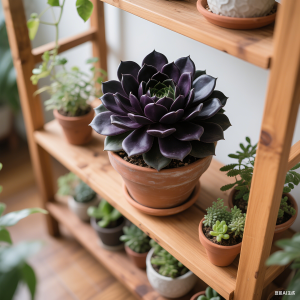
Let’s cut to the chase: the world of artificial plants has undergone a revolution. We’ve moved far beyond the dusty, shiny plastic ferns that were the only option decades ago. Today, artificial foliage is a serious design tool used by interior designers, hoteliers, and savvy homeowners to create lasting, beautiful spaces. This isn’t about tricking anyone. It’s about choosing the right tool for the job—and for greenery that needs zero light, water, or luck, artificial plants are often the smartest tool available. This guide breaks down the modern landscape of faux flora: the styles that define it, the powerful decor effects it creates, and the advanced materials that make it all possible.

Part 1: Defining Your Style – From Photo-Real to Sculptural
The first step is understanding that artificial plants now cater to a wide range of aesthetics. It’s not one look anymore.
-
The Hyper-Realistic Collection: This is the pinnacle of faux botany. We’re talking about suculentas artificiais where you can see and feel the powdery “farina” coating, artificial fiddle leaf figs with the exact veining and slight imperfections of the real thing, and artificial orchids with delicate, thin petals. The goal is a lifelike artificial plant that withstands close inspection. Brands achieve this through intensive study of real plants, resulting in products that provide permanent, perfect nature. This style is ideal for residential living rooms, high-end offices, or any space where the greenery is a focal point meant to be admired up close.
-
The Modern & Architectural Line: Here, form follows inspiration, not imitation. This category includes sleek artificial olive trees in minimalist planters, stylized artificial grasses, and geometrically pleasing artificial topiaries. The focus is on clean silhouette, texture, and shape. These pieces act more like living sculptures, contributing to a curated, contemporary vibe. They are perfect for modern lofts, boutique hotels, and spaces with a minimalist design ethos.
-
The Statement & Oversized Category: Sometimes, more is more. Large artificial plants make a dramatic impact that is hard to achieve with finicky living specimens. An artificial monstera with huge, split leaves, a full artificial palm tree, or a towering artificial ficus can instantly fill vertical space, define a room’s zones, or create a stunning backdrop. Their decor effect is immediate and transformative, bringing a bold, biophilic element into spaces like corporate atriums, hotel lobbies, or spacious living areas without any concern for light conditions.
-
The Preserved & Botanicals Niche: Occupying a special middle ground, preserved plants are real foliage that has been treated to maintain its softness and color without water. Reindeer moss walls, preserved eucalyptus, and stabilized boxwood are prime examples. They offer an utterly authentic texture and a subtle, elegant look, often used in luxury artificial installations for spas, high-end retail, and residential feature walls.
Part 2: The Unbeatable Decor Impact – Why Faux Wins in Key Scenarios
The decorative power of quality artificial plants isn’t just about looks; it’s about solving practical design problems.
-
Guaranteed Consistency & Brand Image: For businesses, consistency is non-negotiable. The artificial plant in a chain restaurant in Seattle must look identical to its counterpart in Miami, and it must look perfect every single day. There is no seasonal die-back, no yellowing leaves, and no variation. This reliability is crucial for maintaining a professional commercial decor standard in hotels, offices, and retail spaces.
-
Greening the Impossible Spaces: This is perhaps the strongest argument. What do you do with a windowless bathroom, a dark corporate hallway, or a sealed display case? You use artificial foliage. It allows the benefits of biophilic design—proven to reduce stress and enhance well-being—to be brought into any environment, regardless of light, temperature, or accessibility. They are the ultimate solution for low-light decor.
-
Architectural Flexibility & Scale: Designers leverage artificial greenery as a building material. Artificial green walls can act as living art or acoustic panels. Hanging artificial vines can create canopies without irrigation concerns. Artificial hedges can provide permanent privacy screening on balconies. The ability to scale and manipulate faux flora for architectural effect is a game-changer.
-
The Ultimate Low-Maintenance Solution: For pet owners (with plants toxic to animals), chronic over-waterers, frequent travelers, or anyone with plant allergies, artificial plants deliver all the visual calm and aesthetic pleasure of greenery with absolute zero upkeep. They represent hassle-free beauty.
Part 3: Material Science – The Foundation of Quality and Realism
The leap in quality comes down to advanced materials and construction. Knowing these helps you discern a worthwhile investment from a cheap imitation.
-
Polyethylene (PE): The Gold Standard for Leaves. This is the material that transformed the industry. High-grade, UV-inhibited PE is injection-molded from casts of real plants. This captures astonishing detail: the serrated edge of a fern, the deep channel of a palm frond, the subtle dimples on a succulent. It has a natural, matte finish that doesn’t reflect light like old plastics. Most realistic artificial plants you see today feature PE foliage.
-
Real-Wood Trunks & Stems: To enhance realism, many higher-end artificial trees and larger plants use actual dried wood for the main trunk or stems. This is then wrapped or coated with textured materials to replicate bark, providing authentic structure, thickness, and a realistic feel.
-
Construction Quality: This separates good from great.
-
Hand-Assembly: In premium products, each leaf stem is often inserted by hand into the main trunk or branch, creating a natural, non-repetitive growth pattern.
-
Weighted Bases: Quality plants come in realistic planters that are weighted with sand or cement. This provides stability for large pieces and enhances the authentic, substantial feel of the product.
-
Integrated Fading: The best manufacturers even add subtle color variations—slightly lighter new growth or slightly darker older leaves—to mimic natural processes.
-
Making the Smart Choice: A Quick Decision Guide
-
For High-Traffic Commercial Use (Hotels, Malls): Prioritize durability and fade resistance. Look for commercial-grade artificial plants made from UV-treated PE. They are built to last, easy to dust, and will maintain their color under bright lights.
-
For Residential Focal Points (Living Room, Dining Area): Invest in realistic artificial plants with hyper-realistic details (PE leaves, real-wood trunks). Since you’ll see them daily up close, the investment in top-tier materials and construction is worth it.
-
For Volume & Background Greenery (Event Backdrops, Filling Shelves): You can opt for bulk artificial greenery that may have slightly less detailed construction. From a few feet away, it will provide the lush, green decor effect you want at a more accessible price point.
In summary, modern artificial plants represent a fusion of art, design, and material science. They are no longer just substitutes but are often the superior choice for achieving specific, reliable, and stunning decor effects. By selecting the style that fits your space, understanding the problem it solves, and choosing quality materials, you can enjoy flawless, everlasting greenery that elevates your environment exactly as you envisioned it.
 English
  Arabic
  Dutch
Dutch  German
  French
  Portuguese
  Spanish
  Russian
  Japanese
  Korean