

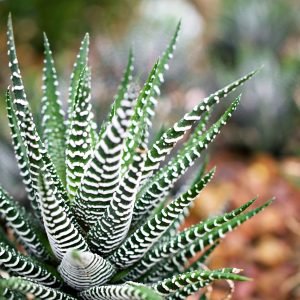
Succulents have become a go-to choice for anyone wanting low-maintenance greenery with high visual impact. Their plump leaves, geometric rosettes, trailing stems, and seasonal color changes add instant personality to any space. In Los Angeles, with near-constant sunshine and dry air, these plants often look their absolute best with very little effort—whether lined up on a windowsill, clustered on a patio table, or tucked into a bright corner of your living room. At cngarden, we carry a carefully selected range of healthy succulents, fast-draining succulent soil mix, grow lights, watering tools, and other gardening supplies to help you get started or expand your collection.

This easy-to-follow guide explains how to care for succulents with clear steps tailored to the Southern California lifestyle.
Succulent Basics: Why They’re So Forgiving
Succulents store water in their thick, fleshy parts—leaves, stems, or roots—which lets them survive long stretches without rain. That same trait is why they dislike constantly wet soil. Popular beginner-friendly varieties include:
- Echeveria — classic rosettes in soft pinks, blues, purples, and greens
- Haworthia — small, compact plants with zebra stripes or translucent “windows”
- Sedum — trailing or clustering types that spill beautifully over pot edges
- Jade Plant (Crassula) — sturdy, tree-like growth with glossy leaves
Many of these can spend most of the year outdoors in mild LA winters, while softer, powdery varieties usually prefer indoor protection during the occasional cool or rainy spell.
Watering Succulents: The Soak-and-Dry Method
The single biggest mistake people make is watering too often. Succulents prefer deep, infrequent drinks that mimic desert rainstorms.
Use the soak-and-dry technique:
- Water thoroughly until it flows freely out of the drainage holes.
- Wait until the soil is completely dry from top to bottom before watering again.
In Los Angeles:
- Spring and summer (growing season): usually every 10–14 days
- Fall and winter (slower growth or dormancy): every 3–5 weeks, sometimes longer
Always check first—push a finger or wooden skewer 1–2 inches into the soil. If it’s dry, water. If it’s still damp, wait a few more days. Water directly onto the soil (not over the leaves) to prevent rot.
Signs to watch for:
- Overwatered → soft, yellow, translucent, or mushy leaves; black or rotten stem base
- Underwatered → wrinkled, shriveled, or deflated-looking leaves
A good watering can with a narrow spout makes it easy to target the soil without splashing the plant.
Light: Bright Is Best (and LA Delivers)
Most succulents need plenty of bright light to stay compact and develop their richest colors. Aim for at least 6 hours of direct or strong indirect sunlight each day.
Ideal Los Angeles placements:
- South- or west-facing windows for maximum sun and vivid pigmentation
- East-facing windows for gentler morning light (great for many Echeverias and Haworthias)
- Full-spectrum grow lights for north-facing rooms or during shorter winter days—run them 12–14 hours daily
When moving plants outdoors, do it gradually over 1–2 weeks to prevent sunburn (bleached, brown, or white patches on leaves). Stronger sunlight often brings out deeper reds, pinks, and purples—rotate pots every week or two so all sides get even exposure.
Soil & Pots: Drainage Comes First
Succulents will rot quickly in regular potting soil that holds too much moisture. You need a fast-draining succulent soil mix:
- Roughly 1 part light organic material (coco coir or potting soil)
- 1–2 parts inorganic grit (perlite, pumice, coarse sand)
Many people prefer ready-made premium blends for consistent results.
Every pot must have at least one drainage hole. Terracotta pots are especially good because they’re porous and help the soil dry out faster—perfect in dry LA air. Plastic pots retain moisture a little longer, which can be helpful in extremely arid conditions. Repot in spring using fresh soil, and only move up one pot size at a time.
For beautiful containers that don’t have drainage holes, use the double-potting method: keep the succulent in a simple pot with holes and set that inside the decorative one.
Fertilizing Lightly & Propagation Fun
During the active growing season (spring and summer), give a light feeding every 4–6 weeks with a diluted (¼ to ½ strength) cactus or succulent fertilizer. Skip fertilizing in fall and winter.
Propagation is one of the most rewarding parts of succulent ownership:
- Leaf cuttings: gently twist off a healthy leaf, let it callus over for 2–5 days, then lay it on top of dry soil
- Offsets / pups: separate small baby plants from the base of the mother plant and pot them up
- Stem cuttings: snip a healthy stem, let the cut end dry for a few days, then plant
With bright light and patience, most cuttings root surprisingly fast.
Quick Troubleshooting
- Mealybugs (small white cottony spots) → wipe with rubbing alcohol or treat with neem oil
- Spider mites → increase airflow and use insecticidal soap if needed
- Stretched / leggy growth → move to brighter light
- Sunburn (brown or bleached patches) → acclimate more slowly next time
Good airflow and avoiding overcrowding prevent most fungal issues.
Closing Thoughts: Succulents + LA = Easy Wins
Cuidados com as suculentas comes down to three main things: bright light, infrequent deep watering, and excellent drainage. Los Angeles weather gives these plants almost everything they need naturally—expect vibrant colors, occasional flowers, and lots of easy baby plants (offsets) over time.
Stop by cngarden to pick up healthy succulents, high-quality soil mixes, stylish pots, grow lights, watering tools, and everything else you need to start or grow your collection—whether you want one perfect pot or a full windowsill display.
Happy planting!
 English
  Arabic
  Dutch
Dutch  German
  French
  Portuguese
  Spanish
  Russian
  Japanese
  Korean