

- The Anatomy of a Healthy Root System: Why Oxygen Matters
- The Three Pillars of Effective Drainage
- Choosing Your Pot: A Practical Field Guide
- The Art of Creating Drainage Where There Is None
- The Saucer Saga: Friend or Foe?
- Troubleshooting Drainage Problems
- The Seasonal Adjustment Factor
- Your Drainage Checklist
- The Golden Rule of Drainage
Okay, let’s talk about something that doesn’t get nearly enough attention: what’s happening at the bottom of your plant’s pot. If you’ve ever wondered why your plant suddenly started dropping leaves or developed that sad, droopy look despite your best care, I’m willing to bet the problem starts with drainage holes—or the lack of them. My name is Leo, and I’ve been rehabilitating houseplants professionally for over a decade. I can tell you with certainty: the difference between a thriving plant and a dying one often comes down to what’s happening below the soil line. Let’s dive into why these little holes matter so much and how to make smart choices.
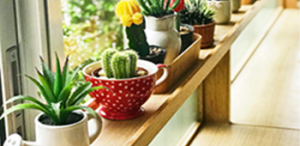
vetplanten
The Anatomy of a Healthy Root System: Why Oxygen Matters
Here’s the thing most plant owners don’t realize: roots need to breathe just as much as they need water. When you water a plant, you’re not just hydrating it—you’re also pushing oxygen out of the soil. Proper drainage allows fresh air to be pulled back into the soil as the water drains away. Without this air exchange, roots essentially suffocate in waterlogged soil.
The Domino Effect of Poor Drainage:
-
Water accumulates at the bottom of the pot
-
Soil becomes saturated, eliminating air pockets
-
Roots begin to rot in the oxygen-deprived environment
-
Rotted roots can’t absorb water or nutrients
-
Plant shows symptoms of distress (yellowing leaves, wilting)
-
Owner often waters more, thinking the plant is thirsty
-
The cycle accelerates until the plant dies
This is why wortelrot is so insidious—it looks like underwatering but is actually caused by too much water trapped in the wrong place.
The Three Pillars of Effective Drainage
Good drainage isn’t just about having holes. It’s a system that involves:
1. The Drainage Holes Themselves
-
Size matters: Small holes clog easily with soil or roots. Larger holes (at least ½ inch diameter) prevent blockage.
-
Quantity counts: One hole is rarely enough. Multiple holes distribute drainage and prevent waterlogging in specific areas.
-
Placement is key: Holes should be on the true bottom, not on raised platforms that create hidden water reservoirs.
2. The Right Potting Mix
Even with perfect holes, dense soil will hold water like a sponge. A well-draining soil should:
-
Contain chunky materials (perlite, bark, pumice) to create air spaces
-
Drain quickly but retain enough moisture for roots to access
-
Not compact over time, which is why adding inorganic materials is crucial
3. Appropriate Pot Material
Different materials affect how quickly soil dries:
-
Porous materials (terra cotta, unglazed ceramic) allow moisture evaporation through walls
-
Non-porous materials (plastic, glazed ceramic) keep all moisture in the soil
-
Your watering schedule needs to adjust based on your pot material
Choosing Your Pot: A Practical Field Guide
When you’re shopping for pots, here’s what to look for:
For Beginners or Over-waterers: Terra Cotta is Your Best Bet
-
Why it works: The porous clay wicks moisture away from roots and allows air exchange through the walls. It’s forgiving of watering mistakes.
-
What to check: Make sure the holes are large enough (sometimes they come with tiny holes that need enlarging). Look for pots without interior glaze, which defeats the breathability.
-
Best paired with: Most houseplants, especially those prone to overwatering (succulents, snake plants, ZZ plants).
For Style-Conscious Plant Parents: Glazed Ceramic Done Right
-
The secret: Choose pots with multiple drainage holes of good size. Many decorative pots have just one small hole—that’s not enough.
-
Pro tip: If you find a beautiful pot with inadequate drainage, use it as a cachepot (outer decorative pot) and keep your plant in a functional nursery pot inside.
-
Best for: Plants that like consistent moisture (ferns, peace lilies, calatheas) since glazed pots retain water longer.
For Large Plants or Frequent Movers: Plastic Pots Shine
-
The advantage: Lightweight, affordable, and often come with excellent drainage arrays. Modern plastics are durable and UV-resistant.
-
What to avoid: Thin, flimsy plastic that cracks easily. Pots with poorly designed drainage that creates “wet feet” at the bottom.
-
Best for: Heavy drinkers, outdoor containers, or anyone who needs to move plants regularly.
Special Situations:
-
Self-watering pots: These have built-in reservoirs but still need overflow drainage. Great for consistent moisture but risky for plants that hate wet feet.
-
Orchid pots: Specifically designed with side slits and multiple bottom holes for maximum air flow to epiphytic roots.
-
Bonsai containers: Extremely shallow with large drainage holes to match their specialized cultivation needs.
The Art of Creating Drainage Where There Is None
Found the perfect pot but it has no holes? Here are your options:
Option 1: The Drill Method (Permanent Solution)
-
For ceramic/terra cotta: Use a diamond-tipped drill bit. Go slow, use water as lubricant, and apply light pressure.
-
For plastic: A standard drill bit works fine. Place painter’s tape over the area first to prevent cracking.
-
For glass/metal: Not recommended unless you have specialty tools and experience. Better to use as cachepots.
Option 2: The Double-Potting System (No-Drill Solution)
-
Keep your plant in its nursery pot (the plastic one it came in)
-
Place a layer of pebbles or LECA in the decorative pot
-
Set the nursery pot on top, ensuring it doesn’t sit in any drained water
-
Remove for watering, let drain completely, then return
Option 3: The Strategic Layer Approach (Emergency Only)
If you must plant directly in a hole-less pot:
-
Add 2-3 inches of drainage material (large gravel, broken pottery) at the bottom
-
Use a moisture meter religiously to avoid overwatering
-
Water much less than you think you should
-
This is riskier but can work with extreme care
The Saucer Saga: Friend or Foe?
Saucers protect your surfaces but create their own problems if misused.
The Right Way:
-
Water thoroughly until water flows into saucer
-
Wait 15-20 minutes
-
Empty the saucer completely (this step is non-negotiable)
-
Consider pot feet or pebbles in the saucer to elevate the pot
Common Mistakes to Avoid:
-
Letting plants sit in water “to drink more later” (they won’t—they’ll rot)
-
Using saucers that are too small and overflow
-
Forgetting to check hidden saucers under large pots
Troubleshooting Drainage Problems
Problem: Water sits on top of soil for minutes before draining
Solution: Your soil is too dense or hydrophobic. Repot with fresh, well-draining mix.
Problem: Water immediately pours out but soil seems dry
Solution: Your soil has shrunk from the pot edges, creating channels. Repack soil or bottom-water to rehydrate evenly.
Problem: White crusty deposits around drainage holes
Solution: Mineral buildup from hard water. This is normal—just scrape off periodically. Consider using filtered water.
Problem: Roots growing through drainage holes
Solution: Time to repot! Your plant has outgrown its home. Gently trim protruding roots before moving to a larger pot.
The Seasonal Adjustment Factor
Your drainage needs change with the seasons:
Zomer:
-
Plants may need more frequent watering
-
Ensure drainage isn’t blocked by vigorous root growth
-
Outdoor pots need extra drainage holes for rain
Winter:
-
Plants use less water in lower light and cooler temps
-
Reduce watering frequency dramatically
-
Make sure pots aren’t sitting in cold, wet saucers
Your Drainage Checklist
Before bringing any plant home or repotting, ask:
-
✓ Does the pot have adequate drainage holes? (Multiple, large holes)
-
✓ Is the pot material appropriate for my plant’s needs?
-
✓ Do I have the right soil mix for this pot type?
-
✓ Is there a proper saucer and will I empty it?
-
✓ Does the pot size match my plant’s current root system?
-
✓ Am I prepared to adjust watering based on season and conditions?
The Golden Rule of Drainage
Here’s what 10 years in plant rehab has taught me: It’s easier to add water than to remove it. A pot with excellent drainage gives you control. You can always water more if needed, but you can’t undo waterlogged soil once roots have started rotting.
Think of drainage holes as your plant’s emergency exits and ventilation system combined. They’re not just an optional feature—they’re fundamental to plant health. Your plant doesn’t care how beautiful its pot is if its roots are drowning. Choose function first, then find beautiful ways to make it work. Your plants will thank you with years of vigorous growth and health.
 English
  Arabic
  Dutch
Dutch  German
  French
  Portuguese
  Spanish
  Russian
  Japanese
  Korean