

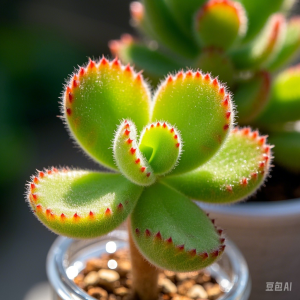
Hey there, plant parent. Let’s cut right to the chase: you want your vetplanten to look amazing, not just sit there barely hanging on. Maybe you’ve had a few turn to mush, or stretch out into weird, leggy shapes. I get it. I’ve been cultivating succulents for over a decade, and I’ve made every mistake in the book so you don’t have to. This isn’t about complex theories; it’s a straightforward, practical guide to verzorging van vetplanten that works.
Watering: It’s Not a Schedule, It’s a Signal
Forget everything you think you know about watering plants on a weekly calendar. This is the single most important skill in succulent watering. These plants are drought-adapted. Their fleshy leaves are water storage tanks.
Here’s the only rule you need: Soak and Dry. Completely. Wait until the soil is 100% dry all the way through. Then, drench it. Water thoroughly until it runs freely out of the drainagegat. Then, ignore your plant again until the soil is bone-dry. How do you know? Stick your finger in the soil up to the second knuckle. Dry? Water. Damp? Wait. A moisture meter is a great, cheap tool for beginners. Overwatering is the fast track to wortelrot, the #1 killer. Underwatering is easily fixed; overwatering often is not.
The Right Foundation: Soil and Pot Are Everything
Your perfect watering routine is useless if your plant is sitting in the wrong stuff. Standard potting mix is a death sentence—it holds moisture like a sponge. You need a special goed doorlatende vetgrond. A good pre-mixed cactus- en vetgrond is fine, but I always amend it. My go-to mix is 2 parts bagged succulent soil to 1 part perlite or pumice. This creates the fast-draining, airy environment succulent roots crave.
The pot is just as critical. That adorable ceramic pot without a drainagegat? It’s a decorative coffin. Always, always choose a pot with at least one drainage hole. Terracotta pots are fantastic for beginners—they’re porous and help wick away excess moisture.
Light: Your Plant’s Non-Negotiable
Light is food for your vetplanten. Most populaire vetplanten like Echeveria, Sedum, and Crassula need helder, indirect licht for a minimum of 6 hours a day. A south or east-facing window is ideal. See your plant getting tall with large gaps between leaves? That’s etiolation—it’s starving for light and stretching to find it. Move it to a brighter spot immediately. Conversely, if you see bleached, crispy, or scorched patches, that’s sunburn. Yes, plants get sunburned too! Acclimate them slowly to direct, intense sunlight.

vetplanten
Feeding: A Light Snack, Not a Feast
Succulenten bemesten is simple. Less is more. During their active growing season (typically spring and summer), feed them once a month with a balanced, water-soluble fertilizer (like a 10-10-10 or 5-10-10 formula) diluted to half the recommended strength. In fall and winter, when most succulents are semi-dormant, stop fertilizing completely. Often, repotting into fresh soil every 1-2 years provides enough nutrients on its own.
Propagation: The Magic of Free Plants
This is the most rewarding part! Many sappige soorten propagate incredibly easily.
-
Voortplanting van bladeren: Gently twist a healthy, plump leaf from the stem. Let it dry and form a callus for 2-3 days. Then, place it on top of dry soil. Mist the soil lightly every few days. In a few weeks, tiny roots and a baby rosette will appear!
-
Stengelstekken: Use clean, sharp scissors to take a cutting. Let it callus for a few days, then plant the callused end in soil. Water lightly once roots establish.
Troubleshooting 101: Reading the Leaves
Your plant talks to you through its leaves. Learn the language:
-
Soft, Mushy, Translucent Leaves: Classic overwatering/root rot. Stop watering immediately. Check the stem and roots for black mush.
-
Wrinkled, Thin, Crispy Leaves: Underwatering. Give it a good soak.
-
Brown, Dry Leaf Tips: Could be underwatering, sunburn, or a buildup of salts/minerals from tap water. Try using filtered or rainwater.
-
Ongedierte: Mealybugs look like tiny white cotton patches. Isolate the plant and dab them with a cotton swab dipped in isopropyl alcohol.
Seasonal Shifts: Summer vs. Winter Care
Your care must adapt with the seasons.
-
Zomeropvang: Your plants are growing! Water more frequently as the soil dries faster in heat and sun. Protect from intense, scorching afternoon sun in very hot climates.
-
Winterverzorging: Most succulents slow down or go dormant. They need much less water (sometimes only once a month) and should be kept in a cool, bright spot away from drafty windows or heating vents.
Start Strong with These Beginner-Friendly Varieties
Don’t start with the fussiest plant. Build confidence with these tough, forgiving sappige soorten:
-
Jade Plant (Crassula ovata): A resilient classic that tolerates some neglect.
-
Snake Plant (Sansevieria): Thrives in lower light and irregular watering.
-
Haworthia & Zebra Plant: Prefer bright, indirect light and are very forgiving.
-
Echeveria ‘Perle von Nurnberg’: A stunning and relatively hardy rosette type.
Jouw 5-punten checklist voor succes met Succulenten
-
Light First: Find that bright spot before you even buy the plant.
-
Drainage is Law: Use gritty soil and a pot with a hole.
-
Water Deeply, Then Desert-Dry: Master the soak and dry cycle.
-
Observe, Don’t Assume: Your plant will show you what it needs.
-
When in Doubt, Don’t Water: This is the safest mantra in verzorging van vetplanten.
Caring for succulents is a practice in mindful, informed neglect. You’re creating the right conditions—bright light, gritty soil, deep but infrequent watering—and then letting the plant do its thing. Pay attention, learn from the small setbacks, and enjoy the process. You’ve got this.
 English
  Arabic
  Dutch
Dutch  German
  French
  Portuguese
  Spanish
  Russian
  Japanese
  Korean