

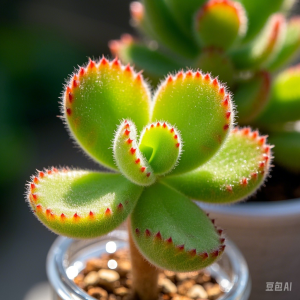
In the heart of China’s sprawling agricultural landscape, a quiet revolution is blooming—one rooted in the vibrant, resilient world of succulents. Succulent China, as it’s often called, has become a global hub for these captivating plants, known for their thick, fleshy leaves and ability to thrive in the harshest conditions. From succulent factories to sprawling greenhouses, the country has transformed into a powerhouse for succulent production, offering everything from rare succulents to bulk orders for enthusiasts and businesses alike. This article takes you behind the scenes of Succulent China, exploring the intricate processes, cultural significance, and booming industry of succulents in this dynamic nation.
China’s rise as a succulent supplier is no accident. The country’s favorable climate, particularly in regions like Qingdao, Yunnan, and Fujian, provides ideal conditions for growing these hardy plants. With over 100,000 square meters of greenhouse space dedicated to succulents in some areas, companies like Qingdao Dudu Succulents Farm and Zhongshili International Trade Co., Ltd. have turned succulent cultivation into a fine art. These succulent factories are more than just production hubs; they are ecosystems of innovation, blending traditional horticultural knowledge with modern technology to produce succulents on sale that captivate collectors worldwide. The scale is staggering—some farms boast annual outputs of over 10 million plants, with varieties ranging from the delicate Echeveria to the quirky Lithops, also known as living stones.
Walking into a succulent factory in China feels like stepping into a living museum. Rows upon rows of mini succulents, each carefully tended, stretch out under the soft glow of artificial lights designed to mimic the sun. Workers move with precision, selecting plants, trimming roots, and preparing them for export. The process is meticulous: after an order is placed, plants are carefully uprooted, cleaned, and air-dried for two to four days to ensure they survive the journey to their new homes. This attention to detail is what makes succulents from China so sought-after. Companies like Qing Yun Succulents pride themselves on offering over 1,000 varieties, including rare succulents like the Aeonium ‘Phantom Seven-color’ or the Echeveria ‘Pure Love,’ which can fetch high prices among collectors.
The succulent wholesale market in China is a bustling ecosystem of its own. Businesses like Dudu Succulents offer bulk pricing that scales with order size, making it easy for retailers, event planners, and landscapers to source succulents in bulk. For example, an order of 500 plants might net a 5% discount, while orders over $5,000 could see discounts as high as 25%. This pricing structure has made China a go-to for succulent bulk purchases, especially for those planning large displays or wedding favors. The ease of ordering, coupled with low minimum order quantities (sometimes as low as $150), has democratized access to these plants, allowing small businesses and individual enthusiasts to tap into the succulent craze.
But what makes succulents from China so special? For one, the country’s growers have mastered the art of cultivating easy-to-grow succulents that appeal to beginners and seasoned collectors alike. Succulents like the Jade Plant (Crassula ovata) or the Snake Plant (Sansevieria trifasciata) are popular for their low maintenance and striking appearance. These plants thrive on minimal water, making them perfect for busy urban dwellers or those in arid climates. Chinese succulent companies have also invested heavily in propagation techniques, ensuring that even rare succulents are available in large quantities. This focus on variety and accessibility has turned China into a global leader in the succulent trade.
Behind the scenes, the succulent industry in China is a blend of tradition and innovation. Many farms, like those operated by Qing Yun Succulents, employ local farmers who bring generations of agricultural expertise to the table. These workers understand the nuances of soil composition, light exposure, and watering schedules that succulents require. At the same time, modern technology plays a crucial role. Automated irrigation systems, climate-controlled greenhouses, and even AI-driven monitoring ensure that plants are grown in optimal conditions. This fusion of old and new has allowed succulent suppliers in China to produce plants that are not only beautiful but also resilient, capable of surviving long journeys to customers in Europe, North America, and beyond.
The cultural significance of succulents in China adds another layer to this story. In Chinese culture, plants often carry symbolic meanings, and succulents are no exception. Their ability to store water and thrive in tough conditions makes them symbols of resilience and endurance—qualities highly valued in a fast-paced, rapidly modernizing society. Mini succulents, often potted in decorative containers, are popular gifts for holidays and special occasions, symbolizing prosperity and good fortune. This cultural resonance has fueled domestic demand, with urban consumers snapping up succulents for home decor and office spaces. The trend has also spurred innovation, with companies experimenting with new varieties and hybridizations to keep up with changing tastes.
Exporting succulents is a complex process, and China’s succulent companies have mastered it. Firms like Zhongshili, which holds rare import and export qualifications for endangered plants, handle everything from phytosanitary certificates to customs clearance. This one-stop solution makes it easy for international buyers to source succulents from China without navigating bureaucratic hurdles. The plants are carefully packed, often wrapped in tissue and cushioned with shredded paper or insulation layers, to ensure they arrive in pristine condition. Shipping times typically range from 7 to 12 days, and companies like Dudu Succulents offer full after-sales support to address any issues. This professionalism has earned Chinese succulent suppliers a reputation for reliability and quality.
The rise of e-commerce has further propelled Succulent China onto the global stage. Websites like Made-in-China.com and SucculentChina.com offer a dizzying array of succulents for sale, from artificial plants for decor to live specimens for collectors. These platforms make it easy to browse by genus, size, or color, catering to both wholesale buyers and individual enthusiasts. For example, a quick search might reveal a tray of 128 Pleiospilos nelii Schwantes Purple for $65.50 or a single Echeveria elegans Potosina Monstrose Double Head for $66.20. The variety is staggering, and the prices are often unbeatable, thanks to China’s large-scale production capabilities.
Despite the industry’s success, challenges remain. The succulent market is highly competitive, with suppliers constantly vying to offer the rarest and most visually striking plants. Climate change poses another threat, as shifting weather patterns can affect growing conditions in key regions like Qingdao. Additionally, the focus on rare succulents has raised concerns about the sustainability of certain species, particularly those classified as endangered. Companies like Zhongshili are addressing this by investing in propagation and conservation efforts, ensuring that their operations remain environmentally responsible.
The future of Succulent China looks bright. Technological advancements, such as improved greenhouse designs and genetic research, are pushing the boundaries of what’s possible in succulent cultivation. Meanwhile, the global demand for succulents continues to grow, driven by their aesthetic appeal and low maintenance. Chinese succulent companies are well-positioned to capitalize on this trend, with their vast greenhouses, experienced growers, and robust export infrastructure. As more people discover the joy of owning these resilient plants, China’s role as a succulent supplier will only expand.
Behind the scenes, the story of Succulent China is one of dedication, innovation, and a deep love for nature. From the careful hands that tend each plant to the advanced systems that ensure their survival, the industry is a testament to what can be achieved when tradition meets technology. Whether you’re a collector seeking a rare succulent or a business looking for succulents in bulk, China’s succulent factories offer something for everyone. As the world continues to embrace these charming plants, Succulent China will remain at the forefront, cultivating beauty one leaf at a time.
In conclusion, the succulent industry in China is more than just a business—it’s a celebration of resilience, creativity, and the enduring appeal of nature. From the sprawling greenhouses of Qingdao to the bustling e-commerce platforms connecting growers to the world, Succulent China is a vibrant, ever-evolving story. Whether you’re drawn to the delicate beauty of a mini succulent or the bold statement of a rare Echeveria, there’s no denying the magic of these plants and the passion of the people who bring them to life. So next time you admire a succulent on your windowsill, take a moment to appreciate the journey it took from a Chinese greenhouse to your home—a journey rooted in care, craftsmanship, and a shared love for these remarkable plants.
 English
  Arabic
  Dutch
Dutch  German
  French
  Portuguese
  Spanish
  Russian
  Japanese
  Korean