

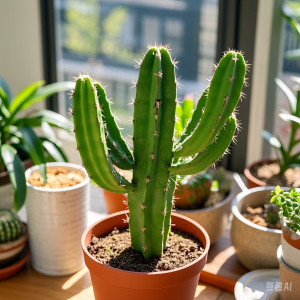
Let’s settle the great pot debate once and for all. You’re standing in the gardening aisle, holding a gewone pot in one hand and an pot met luchtwortels in the other. One is familiar and inexpensive; the other looks like a high-tech spaceship for plants and costs more. What’s the real difference? Is the air-pruning pot worth the hype and extra dollars?
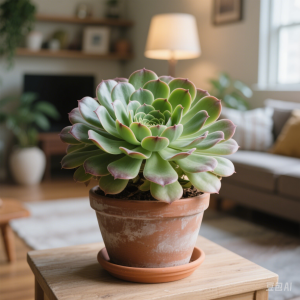
vetplanten
After years of testing both in commercial growing operations and home gardens, I can tell you the choice isn’t about good versus bad—it’s about choosing the right tool for a specific job. The real battle happens where you can’t see it: in the root zone. Let’s break down exactly how these pots work and when you should seriously consider making the switch.
The Root of the Problem: How Regular Pots Fail Your Plants
Think about what happens in a standard plastic pot or ceramic pot. The roots grow freely until they hit the smooth, solid wall. Then, with nowhere else to go, they do the only thing they can: they start circling. This creates the dreaded root-bound plant—a tangled mess that eventually begins to gordel itself, cutting off its own water and nutrient supply.
Even with perfect drainage holes at the bottom, a gewone pot creates an “enclosed” environment. Air flow is minimal, and water tends to saturate the bottom layers of soil, creating a perfect storm for wortelrot. You might not see the problem until your plant starts wilting or dropping leaves, and by then, the damage below the soil is often severe.
The Air-Root Revolution: How Air-Pruning Changes Everything
Enter the pot met luchtwortels. Also known as an air-pruning pot, its design is brilliantly simple. The sides and sometimes the bottom are made of a rigid, patterned plastic with numerous open cones or holes.
Here’s the genius part: when a growing root tip reaches one of these openings and is exposed to air, it naturally dehydrates and stops growing. This process, called luchtsnoei, doesn’t harm the plant. Instead, it signals the root system to branch out behind that pruned tip. The result? Instead of three or four long, circling roots, you get a dense, fibrous network of hundreds of healthy secondary roots.
This isn’t just a theory. Studies on trees and woody shrubs have shown that plants grown in containers like the Air-Pot® brand have significantly fewer root deformities and establish faster after transplanting. Their root systems are more natural and efficient.
Head-to-Head Comparison: Where Each Pot Excels
Let’s get practical. How do they stack up for your daily plant care?
-
Root Health & Structure:
-
Air-Root Pots: The clear winner. They actively prevent circling and girdling, promoting a robust, fibrous root system that maximizes water and nutrient uptake.
-
Regular Pots: Unchecked growth often leads to root-bound plants. You’re constantly fighting against the pot’s design, requiring frequent repotting to untangle roots.
-
-
Watering & Oxygen Flow:
-
Air-Root Pots: Superior. The side walls provide exceptional aeration to the entire root ball. Soil dries more evenly and quickly, which drastically reduces the risk of overwatering and fungal disease.
-
Regular Pots: Oxygen is mostly limited to the top layer of soil. The bottom can stay soggy, creating “wet feet” that roots hate. You’re reliant on the drainage holes alone.
-
-
Transplant Success & Growth:
-
Air-Root Pots: Plants transition to the ground or a larger pot with almost no shock. The healthy, non-circling roots immediately grow outward into new soil, leading to explosive growth.
-
Regular Pots: A root-bound plant struggles. Circling roots may never correct their growth pattern, even after planting, which can stunt the plant’s long-term health and stability.
-
-
Maintenance & Practicality:
-
Air-Root Pots: They require more attention to watering, as the soil can dry out faster. You may need to water more frequently, especially in hot weather. They also require a saucer, as water can seep from the side holes.
-
Regular Pots: Generally lower maintenance in terms of watering frequency. They are clean, contained, and come in endless decorative styles to match your home’s aesthetic.
-
The Verdict: When to Use Which Pot
So, should you throw out all your terra cotta pots? Not at all. The key is to match the pot to your plant’s purpose.
Invest in Air-Root Pots for these scenarios:
-
Trees, Shrubs & Perennials for Landscaping: This is their superpower. If you’re growing a plant with the end goal of putting it in the ground, an pot met luchtwortels will give it the healthiest, most transplant-ready root system possible.
-
Plants Prone to Root Rot: If you’re a chronic over-waterer or are growing moisture-sensitive plants (like many succulents or herbs), the extra aeration is a lifesaver.
-
High-Value or “Problem” Plants: For that expensive, finicky, or slow-growing plant you can’t afford to lose, give it the best foundation with an air-pruning pot.
-
Starting Seeds and Cuttings: Building a dense, branched root system from day one sets up a plant for a lifetime of vigorous growth.
Stick with Regular Pots for these situations:
-
Most Common Houseplants: Your pothos, snake plants, and peace lilies are adapted to container life and do just fine in a good-quality gewone pot with proper drainage.
-
When Decor is a Priority: Ceramic pots en glazed pots offer styles that fabric pots en air-pruning pots can’t match. Use them as a decorative cachepot and keep your plant in a functional nursery pot inside.
-
Low-Maintenance Setups: If you travel often or prefer a “water once a week” routine, a gewone pot (especially terra cotta) will hold moisture longer and be more forgiving.
-
Short-Term or Seasonal Plants: For annual flowers or herbs you’ll compost at season’s end, the investment in an pot met luchtwortels doesn’t make economic sense.
Pro Tip: The Hybrid Approach
You don’t have to choose just one. Many professional growers start plants in potten met luchtwortels to build a perfect root system and then “pot up” into a larger, decorative gewone pot for display. This gives you the best of both worlds: superior root health and beautiful aesthetics.
Bottom Line: It’s About the Roots
Choosing between an pot met luchtwortels and a gewone pot ultimately comes down to one question: how much do you care about what’s happening below the soil?
If your goal is simply to keep a plant alive and looking nice on your shelf, a well-chosen gewone pot is perfectly adequate. But if you’re a gardener who wants to optimize health, encourage explosive growth, and set your plants up for long-term success—especially trees and shrubs destined for the landscape—then pot met luchtwortels technology is a game-changer worth investing in. It works with a plant’s natural biology, rather than against it, and that almost always leads to a better outcome.
 English
  Arabic
  Dutch
Dutch  German
  French
  Portuguese
  Spanish
  Russian
  Japanese
  Korean