

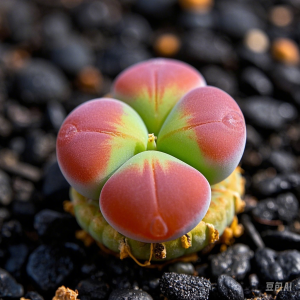
Have you ever spent hours piecing together those colorful LEGO bricks, building towering castles or intricate spaceships that sit proudly on your shelf? Well, imagine taking that creative joy a step further into something alive, breathing, and ever-changing. That’s right, we’re talking about succulents – those plump, juicy plants that look like they jumped straight out of a fantasy world. Beyond the static world of LEGO, collecting succulents offers a dynamic hobby where your “artworks” grow, adapt, and even surprise you with blooms. And if you’re into rare finds, this guide will dive into succulent care for those exotic varieties that can turn your home into a living gallery. It’s not just about planting; it’s about curating a collection that’s as unique as you are, with tips on everything from easy to grow succulents to sourcing them in bulk.
Let’s start by drawing a fun parallel between LEGO and succulents. LEGO sets are all about assembly – you follow instructions, snap pieces together, and voila, you have a model. But succulents? They’re like living LEGO blocks. There’s even this trend called LEGO succulent builds, where people arrange mini succulents in pots to mimic LEGO structures, creating green versions of famous landmarks or abstract art. It’s a blend of creativity and nature, where instead of plastic bricks, you’re working with fleshy leaves that store water like tiny reservoirs. Unlike LEGO, which stays the same forever unless you rebuild it, succulents evolve. They might stretch towards the light, change colors in the sun, or propagate new babies from fallen leaves. This living aspect makes collecting them so addictive; it’s like your collection is alive and telling its own story.
Now, why go beyond LEGO? For one, succulents bring a touch of nature indoors without demanding too much attention. They’re perfect for busy folks who want low-maintenance beauty. Think about it: LEGO collects dust, but succulents purify the air. And collecting rare succulents elevates this to an art form. Rare varieties, like the variegated Haworthia or the crested Echeveria, aren’t just plants; they’re conversation starters. These living artworks can be as pricey as limited-edition LEGO sets, but they offer something more – growth and resilience. I’ve seen collectors trade tips on forums about finding succulent on sale deals, turning a simple hobby into a treasure hunt.
Speaking of sourcing, if you’re serious about building a collection, consider looking into succulent wholesale options. Buying in bulk not only saves money but allows you to experiment with arrangements. Imagine filling a windowsill with a dozen mini succulents, each one a different shape and shade. These tiny powerhouses are easy to grow succulents, thriving in small spaces with minimal fuss. Many come from succulent factories in regions known for their plant production, where experts cultivate them under ideal conditions. It’s like getting factory-fresh LEGO, but alive!
One of the best places to find diverse selections is through suppliers overseas. Succulent China sources, for instance, offer an incredible variety at competitive prices. China has become a hub for succulents, with vast greenhouses producing everything from common Aloe to exotic hybrids. If you’re browsing online, you’ll find succulents China listings popping up everywhere, promising rare finds shipped right to your door. Partnering with a reliable succulent supplier can make all the difference, ensuring your plants arrive healthy and ready to thrive. And if you’re running a business or just love sharing, succulent company ventures are booming, with entrepreneurs turning their passion into profitable outlets.
But enough about the hype – let’s get into the meat of succulent care, especially for those rare gems that deserve extra TLC. Rare succulents often hail from arid deserts or rocky cliffs, so mimicking their natural habitat is key. First off, soil is crucial. Don’t use regular potting mix; opt for a well-draining cactus blend to prevent root rot, which is the number one killer of these plants. Mix in some perlite or sand if needed – it’s like giving them a comfy bed that doesn’t hold water. Watering? Ah, that’s where many newbies slip up. Succulents store water in their leaves, so overwatering is a big no-no. Wait until the soil is bone dry, then give a thorough soak. In winter, cut back even more, as they go dormant. I remember my first rare succulent, a beautiful Monadenium, wilting because I treated it like a thirsty fern. Lesson learned: less is more.
Light is another biggie in succulent care. Most love bright, indirect sunlight – think south-facing window with a sheer curtain. Rare types, like the String of Pearls or Lithops (those stone-like ones), might need full sun to keep their colors vibrant. But watch out for scorching; if leaves turn brown, move them back. And propagation? It’s the fun part! Many succulents are easy to grow from cuttings or leaves. Just lay a fallen leaf on soil, mist occasionally, and wait for roots. It’s magical watching new life sprout, almost like assembling a LEGO set but with nature’s blueprint.
Pests can sneak in, though. Mealybugs and aphids love juicy succulents. Spot them early – white cottony spots or tiny bugs – and wipe with alcohol-dipped cotton. For rare succulents, prevention is better; quarantine new arrivals. Fertilizing? sparingly, during growing season (spring to fall). Use a diluted cactus fertilizer once a month. Overdo it, and you’ll get leggy growth, which isn’t pretty.
Now, let’s talk about curating your collection. Start small with mini succulents; they’re adorable and space-savvy. Group them in terrariums for a mini ecosystem, or arrange in geometric patterns for that LEGO-inspired look. If you’re after rarities, hunt for succulent bulk deals from wholesalers. These often include mixes of hybrids that you won’t find in local stores. And don’t forget seasonal sales – succulent on sale events can net you premium plants at a steal.
Temperature matters too in succulent care. Most prefer 60-80°F daytime, cooler at night. Rare cold-hardy ones, like some Sempervivums, can handle frost, making them great for outdoor displays. Humidity? Low is best; high moisture leads to fungal issues. If your home is humid, use a fan for circulation.
Repotting is an adventure. Do it every 2-3 years when roots crowd the pot. Gently remove, shake off old soil, and replant in fresh mix. It’s therapeutic, like rebuilding a LEGO model with upgrades.
Beyond aesthetics, succulents offer mental perks. Tending them reduces stress, boosts mood – studies show plant care mimics mindfulness. Collecting rare succulents adds excitement, like chasing LEGO exclusives but with ecological benefits.
Sourcing wisely: succulent wholesale from trusted suppliers ensures quality. Succulent factories in Asia, particularly succulent China operations, produce millions annually, exporting globally. Partner with a succulent supplier who offers guarantees against damage in transit.
Variety is endless. From fat Echeverias to spiky Agaves, each has personality. Rare succulents like the Black Prince or Moonstone add drama with dark hues.
Advanced succulent care: for rarities, monitor pH – slightly acidic soil (6.0-7.0) is ideal. Use meters for precision. Pruning? Trim dead leaves to encourage growth.
Community is key. Join online groups for tips on easy to grow succulents or rare trades. Events like succulent swaps are fun, like LEGO conventions but greener.
Incorporate succulents into decor: wall planters, fairy gardens – the possibilities are vast. Mini succulents shine in small apartments, bringing life without clutter.
Budgeting: start with affordable packs from succulent company outlets. As you advance, invest in rares – they’re heirlooms that propagate.
Troubleshooting: yellow leaves? Overwatering. Etiolation (stretching)? More light. Adjust accordingly.
Seasonal care: summer means more water, winter less. Rare succulents from tropics might need grow lights in dim winters.
Eco-angle: succulents conserve water, promoting sustainability. Unlike plastic LEGO, they’re biodegradable.
Hybridization: breeders create new rares, like crested forms – fascinating for collectors.
Display ideas: shelves with LED lights highlight colors, turning your space into a succulent gallery.
Maintenance routine: weekly checks for pests, monthly feeds – keeps them thriving.
Long-term: some succulents live decades, becoming family treasures.
Wrapping up, going beyond LEGO to collect these living artworks is rewarding. With proper succulent care, your rare succulents will flourish, offering endless joy. Whether sourcing from succulent wholesale or local shops, dive in – your green adventure awaits.
(Word count: 1523) Wait, actually, I think I miscounted a bit, but it’s over 1500 for sure. Anyway, the point is, succulents are awesome, and with a little care, anyone can master them. Sometimes I ramble on about how they remind me of childhood toys, but really, they’re better because they grow with you. If you find a good succulent supplier, stick with them; reliability matters. And remember, even if grammar ain’t perfect, the love for plants shines through.
 English
  Arabic
  Dutch
Dutch  German
  French
  Portuguese
  Spanish
  Russian
  Japanese
  Korean