

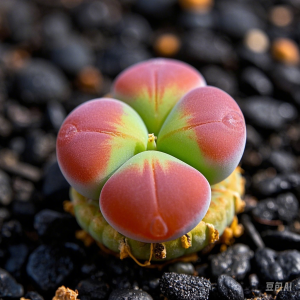
Let’s pull back the curtain. You see two artificial succulent plants on the shelf. One costs $15, the other $150. They might look similar in a photo, but in your hands, the difference is night and day. What creates that gap? It’s all in the materials. As someone who sources artificial greenery for high-end clients, I’ve seen—and felt—every variation. The material doesn’t just affect the price; it determines whether your faux plant looks like a stunning replica or a cheap plastic toy. Let’s break down the common materials and what they really mean for your decor.

plantas suculentas
The Usual Suspects: Plastic, Silk, and Latex
Most suculentas artificiais on the market are made from three core materials, each with a distinct feel and look.
1. Basic Plastic (Polyethylene/Polyurethane): The Budget Baseline
This is what you’ll find in most big-box stores and bulk wholesale packs. It’s the workhorse of the fake plant world.
-
Look & Feel: Has a tell-tale shine that screams “fake.” The colors can be flat and overly vibrant. It often feels hard, lightweight, and cool to the touch.
-
Pros: Extremely affordable, durable, and easy to clean. Perfect for high-traffic commercial spaces or seasonal decor you’ll store away.
-
Cons: Lacks realism up close. The shine reflects light unnaturally. Over time, cheaper plastics can become brittle and fade in direct sunlight.
-
Best For: Filling large areas from a distance (like atop a high cabinet), budget projects, or temporary decor.
2. Silk or Fabric: The Classic Illusion
Silk flowers are a traditional choice, but for plantas suculentas, “silk” usually refers to a high-grade polyester or rayon fabric.
-
Look & Feel: The fabric texture can mimic the matte finish of real leaves better than basic plastic. Colors are often dyed with more subtlety.
-
Pros: Softer, more natural drape. Better at achieving a realistic matte finish that doesn’t reflect light.
-
Cons: Fabric can collect dust like a magnet and is harder to clean. It may fade faster and can look obviously like cloth upon close inspection. Not ideal for outdoor use.
-
Best For: Indoor arrangements where a soft, matte look is preferred and the plants won’t be touched often.
3. Molded Latex/Rubber: The Texture King
This is where realism takes a big leap forward. Real-touch technology often uses injected or painted latex.
-
Look & Feel: This is the material that can truly fool the eye and hand. Manufacturers can capture incredible detail—veins, thickness, and even the slight softness of a real leaf. The surface has a lifelike, waxy texture.
-
Pros: Unbeatable, highly realistic texture and visual depth. Colors are layered for a natural look. Durable and easier to clean than fabric.
-
Cons: Higher cost. Latex can degrade over many years with exposure to extreme UV light. The heaviest of the common materials.
-
Best For: Focal point arrangements, high-quality home decor, or anywhere people will be close enough to appreciate the stunning detail.
The Elite Tier: Polyblends and “Real Touch” Technology
When you step into the professional design market, materials get sophisticated. Top artificial succulent wholesale manufacturers use advanced polyblends (custom blends of plastics, rubbers, and fabrics) and proprietary techniques.
-
The Feel: These materials are engineered to replicate the exact firmness and flexibility of a living succulent leaf. They have a perfect matte finish and often include a subtle, powdery feel to mimic farina (the natural coating on plants like echeveria).
-
The Look: Color is not just painted on; it’s layered. You’ll see the subtle gradients from leaf base to tip, minor imperfections, and color variations that mimic sun exposure.
-
The Bottom Line: This is what you see in luxury hotels and high-end furniture showrooms. The price is premium, but the illusion is complete.
The Support System: Stems, Structure, and Pots
The leaves get all the attention, but the hidden structure is just as important for realism and longevity.
-
Stems & Wiring: Cheap plants use bare, plastic-coated wire that you can feel through the “stem.” Quality plants have stems that are realistically textured—often molded from actual plant stems—and may even feature faux aerial roots or a woody texture. The wire inside is substantial but fully concealed, allowing for natural shaping.
-
Construction: Look at how leaves are attached. Low-quality versions are often clustered and glued obviously to a central stem. Better versions have leaves that emerge individually or in natural-looking rosettes, sometimes even hand-assembled.
-
Pots and Bases: The pot and faux soil finish the look. Cheap bases use glued-on gravel or flat, painted foam. Quality arrangements use weighted pots with a realistic soil mix of sands, pebbles, and mosses that are sealed in place for a clean, believable look.
Material Matchmaker: Choosing the Right Type for Your Space
So, which material should you buy? Let’s match the material to the mission.
-
For a Busy Restaurant or Hotel Lobby (High Traffic, Needs Durability):
Choose UV-treated polyethylene. It can be cleaned with a damp cloth, won’t fade in bright light, and can take the occasional bump. Realism is secondary to durability and easy maintenance here. -
For Your Living Room (Close-Up Beauty, Focal Point):
Invest in molded latex or a premium real-touch polyblend. You and your guests will see it up close. The investment in texture and color depth will pay off every day in a natural, elegant look. -
For a Wedding Centerpiece (Temporary, Photogenic):
Silk or high-grade fabric succulents can be perfect. They offer great visual appeal for photos (no shine), are lightweight for transport, and you’re less concerned about decade-long durability. -
For a Large Commercial Installation (Budget-Consistent, Bulk Need):
This is the domain of bulk wholesale polyethylene. The goal is consistent color and form across hundreds of plants, with a budget that makes large-scale greenery possible. Focus on finding a supplier with a good matte finish option.
The Final Test: How to Judge Quality in Person
Before you buy, do this quick check:
-
Look at the Underside: Turn a leaf over. A real-looking gradient and vein detail on the back is a mark of quality.
-
Check the Stem Connection: Where the leaf meets the stem should look natural, not like a glob of glue.
-
Feel the Weight: A quality plant in a pot has some heft; it shouldn’t feel like it will tip over if you breathe on it.
-
Assess the Soil: The base should look like earth, not like a piece of painted styrofoam.
Remember, the best material for your artificial succulent plants is the one that fits your budget while achieving the look you want at the viewing distance you’ll have. There’s a place for every material on the spectrum—you just need to know what you’re really buying.
 English
  Arabic
  Dutch
Dutch  German
  French
  Portuguese
  Spanish
  Russian
  Japanese
  Korean