

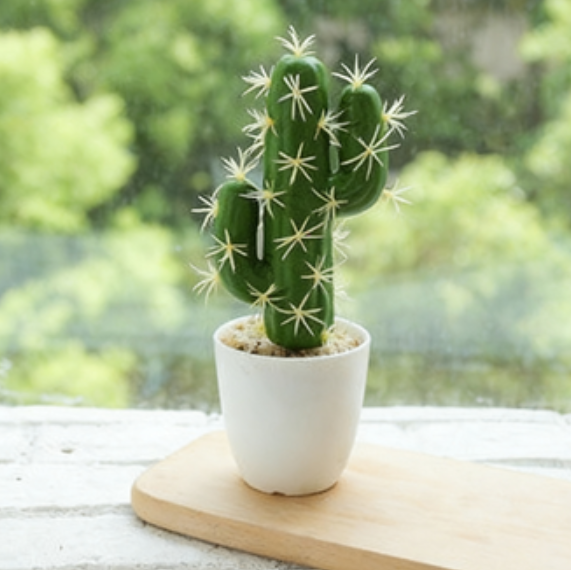
Succulents continue to captivate plant lovers worldwide with their striking forms, stunning color variations, and forgiving nature. These water-storing wonders thrive in conditions that would challenge many other plants, making them perfect for busy lifestyles or sunny Los Angeles apartments. At jardim, we’re passionate about helping you create vibrant indoor and outdoor displays with our premium selection of healthy succulents and essential gardening supplies. This in-depth guide explores how to care for succulents step by step, from watering fundamentals to troubleshooting common issues.
Whether you’re nurturing a single Echeveria on your desk or building a full succulent collection, mastering these basics will keep your plants happy and photogenic year-round.


Why Succulents Are So Popular—and What Makes Them Unique
Succulents belong to a wide range of families, with adaptations that allow them to store moisture in thick leaves, stems, or roots. This trait helps them endure long dry spells in native habitats across deserts and rocky terrains. Popular genera include Echeveria (rosette-shaped beauties), Sedum (trailing or groundcover types), Haworthia (compact window plants), and Crassula (like the classic Jade Plant).
Soft succulents generally prefer indoor or protected environments, while hardy varieties can handle cooler temperatures and even light frost in suitable zones. In sunny Southern California, many can spend time outdoors with proper acclimation. Understanding your plant’s origin helps tailor care—desert natives love intense sun, while forest-floor types like some Haworthias appreciate dappled light.
Start small if you’re new: choose forgiving varieties like Zebra Haworthia or String of Bananas to build confidence before experimenting with more colorful, sun-loving options.
Mastering Watering: The Make-or-Break Factor
The single biggest mistake in cuidados com as suculentas is overwatering. These plants evolved in arid conditions, so they prefer infrequent, deep drinks over constant moisture.
Adopt the soak and dry technique: water thoroughly until it drains freely from the bottom, then wait until the soil is bone-dry before watering again. In Los Angeles’ warm, dry climate, this might mean every 10–14 days in summer and 3–4 weeks (or longer) in cooler months. Always test soil moisture by sticking your finger 1–2 inches down—if it’s dry, proceed.
Avoid common pitfalls like misting (which can cause rot) or leaving plants sitting in saucers of water. Use distilled or rainwater if possible, as tap water minerals can build up over time.
Watch for distress signals:
- Overwatered: Yellow, translucent, or mushy leaves; black stems; foul soil odor.
- Underwatered: Wrinkled, shriveled, or deflated leaves; dry, crispy tips.
Early intervention saves most plants—cut away rotted parts, let roots dry, and repot in fresh mix.


For tools that make watering easier, check out our watering equipment collection, including precise pour cans and soil moisture probes.
Providing the Right Light: Bright Is Best
Light directly influences shape, color, and compactness. Most succulents need bright, indirect to direct sunlight for 6+ hours daily to prevent etiolation (stretched, leggy growth) and maintain vibrant pigmentation.
In a Los Angeles home, place plants near south- or west-facing windows for optimal exposure. Morning sun is gentler and ideal for many varieties. If natural light is limited (common in apartments or during winter), invest in full-spectrum grow lights. Position them 12–18 inches above plants for 12–14 hours daily.
When transitioning outdoors, acclimate slowly over 1–2 weeks to avoid sunburn (brown/white scorched patches). Start in shade and gradually increase sun exposure.
Color changes tell the story: intense reds, purples, and blues indicate happy, sun-stressed plants; pale or green tones suggest more light is needed.


The Perfect Soil and Pot Setup
Succulents demand excellent drainage—regular houseplant soil stays too wet and invites root rot. Use a gritty, fast-draining succulent soil mix.
DIY formula:
- 1 part potting soil or coconut coir
- 1 part perlite
- 1 part pumice or coarse sand
This creates aeration and prevents compaction. Our premium potting mixes at cngarden are expertly blended for consistent results.
Pots must have drainage holes. Terracotta is favorite for its breathability, helping soil dry faster—great for overwaterers. Plastic retains moisture longer, suiting drier setups. For decorative containers without holes, double-pot: keep the plant in a nursery pot inside the prettier one.
Repot annually in spring using fresh soil, gently teasing roots to encourage new growth.
Fertilizing, Propagation, and Pest Management
Fertilize lightly during active growth (spring–summer) with a diluted (¼–½ strength) balanced or cactus-specific fertilizer every 4–6 weeks. Skip winter to avoid weak, stretched growth.
Propagation is one of the joys of succulent ownership. Leaf cuttings (Echeveria, Sedum) involve twisting off healthy leaves, letting them callus 2–5 days, then laying on soil. Offsets/pups from mother plants like Aloe or Haworthia can be detached and potted directly.


Pests like mealybugs (white cottony spots) and spider mites respond well to rubbing alcohol swabs or neem oil. Ensure good airflow to deter fungal problems.
Final Thoughts: Enjoy Your Succulent Journey
With the right balance of infrequent watering, ample bright light, sharp drainage, and occasional care tweaks, succulents reward you with years of low-effort beauty. In Los Angeles’ sunny climate, they’re especially rewarding—many can even live outdoors with minimal protection.
Ready to expand your collection? Browse jardim for vibrant succulents, quality soils, pots, and accessories. Whether starting your first windowsill garden or curating an impressive display, we’re here to support your green thumb.
Happy planting!
 English
  Arabic
  Dutch
Dutch  German
  French
  Portuguese
  Spanish
  Russian
  Japanese
  Korean