

For years I struggled with vetplanten that constantly died from root rot, no matter how carefully I watered them. The problem wasn’t my watering habits – it was the soil. After wasting money on countless commercial cactus mixes that still held too much moisture, I finally developed my own perfect succulent soil recipe that transformed my plants from struggling survivors to thriving beauties. This DIY mix drains faster than anything you can buy, prevents rot, and costs a fraction of premium bagged soils. Here’s exactly how to make it and why it works so much better than store-bought alternatives.

bear paw
The foundation of good succulent soil is drainage – roots need to dry out completely between waterings. Most commercial mixes still contain too much organic material like peat moss that compacts over time. My recipe uses three simple, inexpensive ingredients you can find at any garden center. Start with 2 parts regular potting soil as your base. Not garden soil or topsoil – these are too dense. Use a quality potting mix without moisture-retaining crystals. To this add 1 part coarse sand – the kind used for construction, not fine play sand which compacts. Look for particles about 1/8 inch in size. Finally add 1 part perlite or pumice for aeration. Perlite is cheaper but pumice doesn’t float to the surface over time. Mix these together thoroughly and you have the perfect well-draining medium.
What makes this mix so effective? The sand provides weight and mineral content while creating air pockets. Perlite or pumice ensures oxygen reaches the roots and prevents compaction. The small amount of potting soil gives just enough organic matter to hold minimal moisture and nutrients without staying soggy. Unlike peat-based mixes that become hydrophobic when dry, this blend rewets easily while still drying out quickly. I’ve tested it with dozens of succulent varieties from echeverias to haworthias to sedums with excellent results across the board. Plants establish faster, grow more compactly, and rarely suffer from rot.
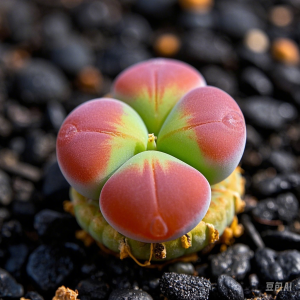
For certain succulents that need even sharper drainage like lithops or split rocks, I modify the recipe to 1 part potting soil, 1 part sand, and 1 part pumice. Conversely, for tropical succulents like hoya or rhipsalis that prefer slightly more moisture, I use 3 parts potting soil to 1 part each sand and perlite. The basic recipe is endlessly adaptable based on your specific plants and growing conditions. In humid climates you might increase the inorganic components, while in arid regions a bit more organic matter helps prevent overly rapid drying.
Beyond the ingredients, proper mixing technique matters. Combine the components dry and break up any clumps. I mix large batches in a wheelbarrow or clean garbage can using a garden hoe. Store extra soil in a covered container to keep it clean and dry. When potting, always use containers with drainage holes and consider adding a layer of coarse gravel or perlite at the bottom for additional drainage insurance. Top dressing with decorative stones not only looks attractive but prevents the soil surface from crusting over.
The benefits of this DIY approach go beyond plant health. Commercial succulent soils often cost $5-$10 for small bags. My mix costs pennies per gallon when bought in bulk. A 40lb bag of sand ($5), large bag of perlite ($15), and compressed bale of potting soil ($15) makes enough mix for hundreds of plants. It’s also more sustainable – no peat harvesting required and you can reuse the components indefinitely by sterilizing old soil in the oven at 200°F for 30 minutes.
After switching to this mix, I saw immediate improvements. Plants that previously struggled now grow vigorously. Watering becomes nearly foolproof because excess moisture drains away so quickly. Roots develop thick and healthy instead of being confined to the small dry pockets they could find in inferior soils. Even my most finicky succulents like string of pearls and bear paw thrive in this mix. Propagation success rates increased dramatically as cuttings root faster with less risk of rot.
For those wanting to take it further, amendments can customize the mix. A handful of worm castings per gallon adds beneficial microbes and slow-release nutrients. Crushed oyster shell or limestone provides calcium for strong cell walls. A light dusting of diatomaceous earth helps control fungus gnats. The basic recipe works perfectly as-is but invites experimentation for advanced growers.
The single most important factor in succulent success is proper soil. No amount of careful watering can compensate for a poor medium. This simple, inexpensive DIY solution outperforms expensive commercial products while giving you complete control over the ingredients. Once you try it, you’ll never go back to bagged mixes again. Your succulents will show their appreciation through vibrant colors, compact growth, and years of healthy development.
Have you experimented with homemade succulent soils? Share your favorite recipes and tips in the comments below!
 English
  Arabic
  Dutch
Dutch  German
  French
  Portuguese
  Spanish
  Russian
  Japanese
  Korean