

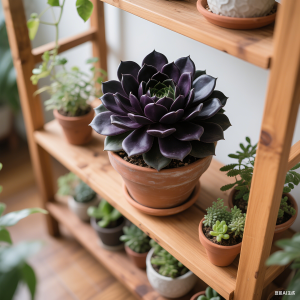
For many plant lovers, the dream of a thriving succulent collection begins indoors. Windowsills, desk corners, and shelving units become miniature gardens filled with these charming, drought-tolerant plants. But here’s the reality that many discover: indoor verzorging van vetplanten is different from outdoor growing, and it comes with unique challenges.

%类别%
Without the intense sun, drying breezes, and seasonal temperature swings of the outdoors, your indoor succulents rely entirely on you to create the right conditions. The good news? With the right knowledge and a few adjustments, you can absolutely grow beautiful, healthy succulents inside your home.
Welcome to the ultimate guide to indoor succulent success from cngarden. Whether you’re a beginner setting up your first windowsill or an experienced grower troubleshooting leggy growth, this guide covers everything you need to know about plant care inside your home.
The Indoor Challenge: Why Succulents Struggle Inside
Before we dive into solutions, let’s understand the problems. Succulents evolved in harsh environments—deserts, mountainsides, and rocky cliffs. They’re built for:
Intense sunlight (often 6+ hours daily)
Good air circulation (constant breezes)
Temperature swings (warm days, cool nights)
Inside our homes, they face:
Low light levels (even bright windows are dim compared to outdoors)
Infrequent but deep watering (mimicking desert rains)
Stagnant air (especially in winter)
Consistent temperatures (no natural day-night variation)
Our well-meaning but often excessive watering
Understanding this gap is the first step to mastering indoor succulent care.
Light: The #1 Challenge and Solution
Light is the most critical factor in indoor succulent success. Without enough light, succulents become “leggy”—stretching toward the window with elongated stems and widely spaced leaves . They lose their compact shape and vibrant colors, turning pale green instead.
Finding the Best Window
Different window orientations provide different light:
Window Direction Light Intensity Best For
South-facing Brightest, most direct sun Most succulents; Echeverias, cacti, Sedums
East-facing Gentle morning sun Haworthias, Gasterias, plants prone to sunburn
West-facing Intense afternoon sun Many succulents; watch for burning in summer
North-facing Lowest light Only shade-tolerant varieties (Haworthia, Sansevieria)
The Golden Rule: South-facing windows are ideal for most succulent varieties . If you don’t have one, don’t despair—you have options.
Signs Your Succulent Needs More Light
Etiolation (stretching): The most obvious sign. Stems elongate, leaves space out .
Fading color: Vibrant reds, purples, and pinks turn green .
Leaning: The plant physically bends toward the light source .
Smaller new leaves: New growth is smaller than older leaves .
When Windows Aren’t Enough: Grow Lights
If your home lacks sufficient natural light, grow lights are a game-changer. Modern LED grow lights are energy-efficient, produce little heat, and come in attractive designs that fit any decor .
Choosing Grow Lights:
Full spectrum lights mimic natural sunlight and show true plant colors
Position lights 6-12 inches above your plants
Run them for 12-16 hours daily (use a timer for consistency)
At cngarden, we offer a curated selection of grow lights perfect for indoor succulent collections of any size.
Watering Indoors: Less is More
Indoor succulents are extremely susceptible to overwatering. Without outdoor sun and wind to dry the soil, moisture lingers longer, creating perfect conditions for root rot .
The Indoor Watering Formula
1. Check Soil Dryness Thoroughly
Don’t just look at the surface. Stick your finger about an inch down, or use a moisture meter. The soil should be completely dry before you even consider watering .
2. Water Deeply, Not Frequently
When it’s time to water, use the “soak and dry” method. Water thoroughly until it runs out the drainage holes. This encourages deep root growth . Then wait for the soil to completely dry again.
3. Adjust for Season
Growing season (spring-fall): Water when soil is dry (maybe every 1-2 weeks)
Dormant winter months: Water sparingly (maybe every 3-4 weeks)
4. Water the Soil, Not the Leaves
Wet leaves indoors can lead to rot and fungal issues. Use a watering can with a narrow spout to direct water precisely to the soil .
Signs You’re Watering Wrong
Too Much Water Too Little Water
Soft, mushy, translucent leaves Wrinkled, shriveled leaves
Black spots on stems or leaves Leaves feel flat and thin
Soil stays wet for over a week Soil pulls away from pot edges
Foul smell from soil Leaves drop easily
Soil and Potting: The Indoor Difference
Because indoor conditions are less drying than outdoors, your soil mix becomes even more critical.
The Perfect Indoor Succulent Soil
Never use regular potting soil alone. It retains too much moisture and will cause rot .
For indoor succulents, you want a mix that is at least 50-60% inorganic material (perlite, pumice, coarse sand) and 40-50% organic material . This ensures water drains quickly and roots get enough air.
At cngarden, our cactus and succulent mix is specifically formulated for indoor conditions—fast-draining yet nutritious.
Choosing Pots for Indoors
Drainage holes are non-negotiable. Every pot must have a hole in the bottom . If you fall in love with a pot without holes, use it as a cachepot—place a plastic nursery pot inside.
Material matters:
Terracotta pots: Ideal for indoors. They’re porous, allowing soil to dry faster and roots to breathe .
Glazed ceramic: Pretty but retains moisture longer; adjust watering accordingly.
Plastic: Lightweight and cheap, but holds moisture longest—use with caution.
Air Circulation: The Overlooked Essential
Good air circulation prevents many common indoor succulent problems, including fungal diseases and pests .
Why It Matters:
Stagnant air allows moisture to linger on leaves and soil surface
Fungal spores thrive in still, humid conditions
Pests like mealybugs prefer stuffy environments
How to Improve Airflow:
Open windows regularly when weather permits
Use a small fan on low setting near your plants (not directly blasting them)
Don’t crowd plants—leave space between pots
Avoid placing succulents in steamy bathrooms or stuffy corners
Temperature: Keeping It Comfortable
Most succulents are comfortable in the same temperatures we are: 60-80°F (15-27°C) .
Winter Considerations:
Keep plants away from cold windows (leaves touching frozen glass can be damaged)
Also avoid heating vents—hot, dry air can desiccate leaves
Many succulents appreciate a slight temperature drop at night, mimicking their natural habitat
Humidity: The Indoor Balance
Succulents prefer low humidity (they are desert plants, after all). However, most homes have acceptable humidity levels for them.
The Challenge:
Too low humidity (forced air heating in winter): Can cause leaf edges to crisp
Too high humidity (bathrooms, kitchens without ventilation): Invites rot and fungus
Solutions:
If your home is very dry, occasional misting of the air (not the plants) can help
If your home is humid, maximize air circulation and be extra careful with watering
Fertilizing Indoor Succulents
Indoor succulents need less food than outdoor ones. They grow more slowly and don’t deplete soil nutrients as quickly.
The Indoor Fertilizer Rule:
Feed only during the growing season (spring and summer)
Use a balanced fertilizer diluted to half strength (or even quarter strength)
Feed every 4-6 weeks at most
Never fertilize dormant plants in winter
Over-fertilizing indoors causes weak, leggy growth and can burn roots .
Common Indoor Succulent Problems (And Solutions)
Problem 1: Leggy Growth
Cause: Insufficient light
Solution: Move to brighter spot or add grow lights; rotate pot regularly for even growth
Problem 2: Leaf Drop
Cause: Usually overwatering or sudden temperature change
Solution: Check soil moisture; ensure stable temperatures away from drafts
Problem 3: Pale or Washed-Out Color
Cause: Not enough light
Solution: Gradually increase light exposure
Problem 4: Mealybugs
Cause: Often introduced on new plants; thrive in stagnant air
Solution: Isolate new plants; treat with rubbing alcohol; improve air circulation (see our pest and disease guide)
Problem 5: Soil Taking Forever to Dry
Cause: Wrong soil mix, no drainage, or pot too large
Solution: Repot with proper well-draining potting mix and ensure pot has drainage holes
Best Succulents for Indoor Growing
Not all succulents are equally suited to indoor life. Here are the varieties most likely to thrive inside:
Variety Why It’s Good Indoors
Haworthia (Zebra Plant) Tolerates lower light; small size; slow-growing
Gasteria (Ox Tongue) Very shade-tolerant; forgiving of neglect
Sansevieria (Snake Plant) Extremely low light tolerant; hard to kill
Jade Plant (Crassula ovata) Adaptable; easy to read water needs
Echeveria (with good light) Works well on sunny windowsills
Sedum (certain varieties) Some trailing types do well in bright spots
Aloe vera Practical; tolerates indoor conditions
For beginners, start with Haworthia or Gasteria. For sunny windows, add Echeverias and Sedums.
Setting Up Your Indoor Succulent Space
Creating a Healthy Environment
1. Choose the Right Spot
South or west-facing window is ideal
Ensure plants aren’t crowded
Consider a dedicated plant shelf with grow lights
2. Group Plants Strategically
Grouping succulents with similar light and water needs makes plant care easier. It also creates a microclimate with slightly higher humidity around the plants.
3. Use Trays for Watering
Place pots on trays with pebbles. Water until it runs out, then empty the tray after 15 minutes—never let pots sit in water.
4. Rotate Regularly
Turn pots a quarter turn each week to ensure all sides get equal light and plants grow evenly .
Seasonal Adjustments for Indoor Succulents
Your indoor garden needs different care throughout the year:
Spring
Increase watering as days lengthen
Begin fertilizing
Repot if needed (see our repotting guide)
Move plants to brighter spots after winter
Summer
Watch for sunburn if windows get intense afternoon rays
Water more frequently as soil dries faster
Ensure good air circulation
If moving plants outside, acclimate gradually
Autumn
Reduce watering as growth slows
Stop fertilizing
Move plants away from cold windows at night
Prepare for lower winter light
Winter
Water sparingly (every 3-4 weeks)
Maximize light exposure (clean windows, move plants closer)
No fertilizer
Protect from cold drafts and heating vents
For detailed seasonal guidance, see our year-round succulent care guide.
Tools for Indoor Succulent Success
Having the right tools makes indoor succulent care easier and more enjoyable. At cngarden, we recommend:
Moisture meter: Takes guesswork out of watering
Narrow-spout watering can: Precise watering without wetting leaves
Soft brush: Gently clean dust from leaves
Grow lights: Essential for low-light homes
Terracotta pots: Ideal for indoor growing
Well-draining soil mix: Prevents overwatering issues
Small pruning shears: For trimming and maintenance
Troubleshooting Guide: Quick Reference
Symptom Likely Cause Solution
Stretched stems, spaced leaves Not enough light Move to brighter spot; add grow lights
Mushy, translucent leaves Overwatering Stop watering; check for root rot; repot if needed
Wrinkled, shriveled leaves Underwatering Water thoroughly; check if pot is root-bound
Leaves falling off easily Overwatering or temperature shock Check soil; stabilize temperature
Brown, crispy leaves Sunburn or too little water Adjust light; increase water gradually
White fuzzy spots Mealybugs Isolate; treat with alcohol; see pest guide
Black spots on leaves/stem Rot from overwatering Cut away affected parts; repot in dry soil
Soil stays wet for over a week Poor drainage or wrong soil Repot with proper cactus and succulent mix
Conclusion: Your Indoor Oasis Awaits
Growing succulents indoors is a journey of observation and adjustment. You’ll learn to read your plants—to see when they need more light, when they’re thirsty, when they’re perfectly happy. It’s a rewarding connection with nature that brings life and beauty into your home.
Remember the core principles of indoor succulent care:
Maximize light (south windows or grow lights)
Water only when soil is completely dry
Use fast-draining soil and pots with holes
Ensure good air circulation
Adjust care with the seasons
With these foundations, your indoor succulents won’t just survive—they’ll thrive.
Ready to build or expand your indoor collection? Visit cngarden today to explore our selection of healthy succulents, premium gardening supplies, and everything you need for indoor growing success. Happy planting!
 English
  Arabic
  Dutch
Dutch  German
  French
  Portuguese
  Spanish
  Russian
  Japanese
  Korean