

- Why Mixing Fake Plants With Real Materials Works
- The New Role of Artificial Plants in Interior Design
- The Best Real Materials to Combine With Fake Plants
- 1. Mixing Fake Plants With Wood Elements
- 2. Mixing Fake Plants With Stone and Concrete
- 3. Combining Fake Plants With Ceramic Materials
- 4. Adding Real Moss and Natural Decorative Elements
- 5. Combining Fake Plants With Glass and Metal
- How to Make Fake Plants Look More Real
- Choose the Right Container
- Add Natural Imperfections
- Mix Different Textures
- Use the Rule of Three
- Fake Plants With Real Materials for Different Interior Styles
- Sustainable Design and Artificial Plants
- Technology Trends Changing Fake Plant Decoration in 2026
- Common Mistakes When Mixing Fake Plants With Real Materials
- Professional Decorating Formula
- Final Thoughts
- FAQ
- Recommended Posts
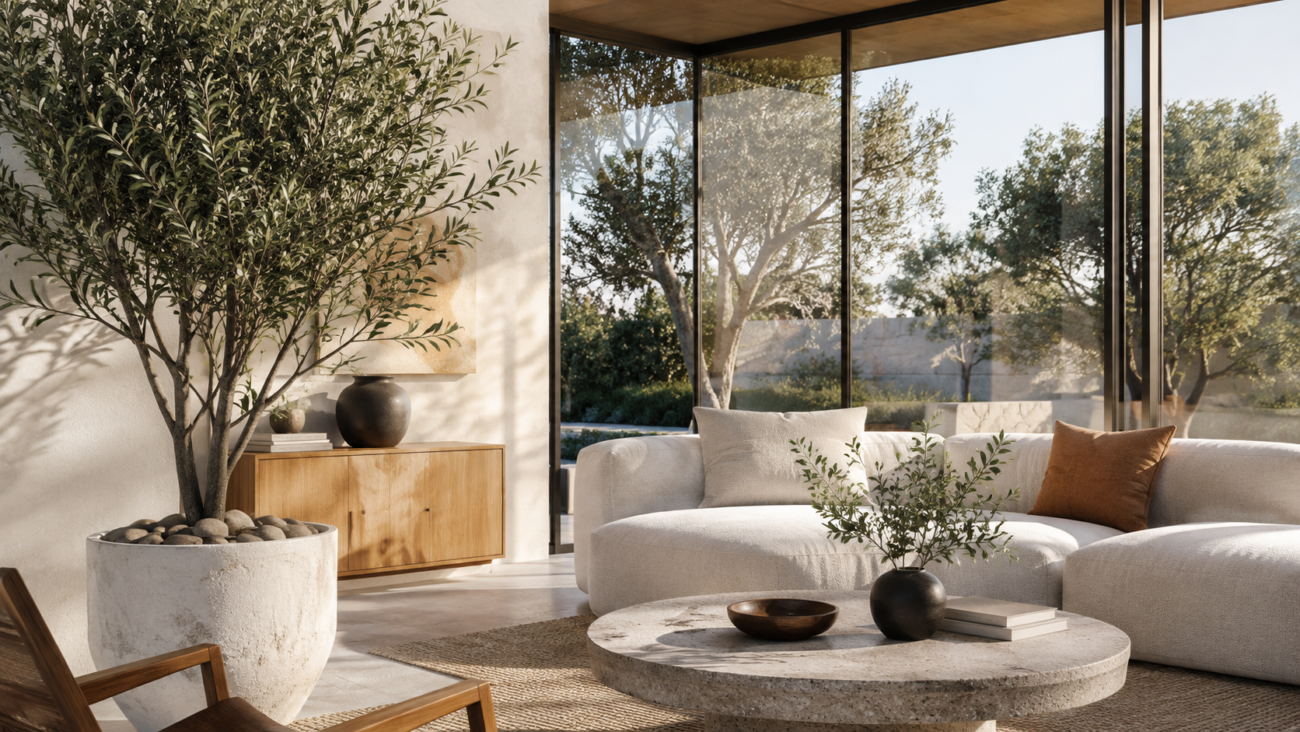
Artificial plants have become a major part of modern interior design.
However, many homeowners and designers still face one common challenge: how to make artificial greenery look natural instead of obviously decorative.
The answer is not simply buying the most expensive fake plants.
One of the biggest design trends in 2026 is mixing fake plants with real materials to create balanced, realistic, and visually appealing spaces.
By combining artificial greenery with natural elements such as wood, stone, ceramic, glass, metal, moss, and real decorative objects, designers can create interiors that feel warmer, more sophisticated, and closer to nature.
This approach is becoming
- Homeowners
- Interior designers
- Hotels
- Restaurants
- Offices
- Commercial spaces
because it combines the beauty of plants with the convenience of low maintenance.
In this complete guide, we will explain how to decorate fake plants using real materials, which combinations work best, common mistakes to avoid, and how new design trends and technology are changing artificial greenery in modern spaces.
Why Mixing Fake Plants With Real Materials Works
The biggest weakness of artificial plants is that they can sometimes feel visually disconnected from the environment.
A plastic plant placed inside a cheap container may immediately look artificial.
However, when combined with authentic materials, the entire arrangement becomes more believable.
Natural materials provide:
- Texture
- Weight
- Imperfection
- Organic character
- Visual balance
For example:
A realistic artificial olive tree placed inside a handmade ceramic planter with natural stones can look significantly more authentic than the same tree inside a basic plastic pot.
The plant itself does not need to be perfect.
The surrounding materials help create a natural environment.
This is why mixing fake plants with real materials has become an important technique in modern interior styling.
The New Role of Artificial Plants in Interior Design
Artificial plants are no longer viewed only as replacements for living plants.
In modern design, they are treated as decorative design elements.
They are used to:
- Add color
- Create visual height
- Improve empty spaces
- Balance furniture layouts
- Enhance brand environments
Modern artificial plants are also improving because of:
- Better manufacturing technology
- More realistic textures
- Advanced materials
- Digital design tools
- Custom production
The focus has shifted from:
“Is this plant real?”
to:
“Does this space feel natural?”
The Best Real Materials to Combine With Fake Plants
Choosing the right supporting materials is the foundation of successful artificial plant decoration.
Different materials create different moods.
1. Mixing Fake Plants With Wood Elements
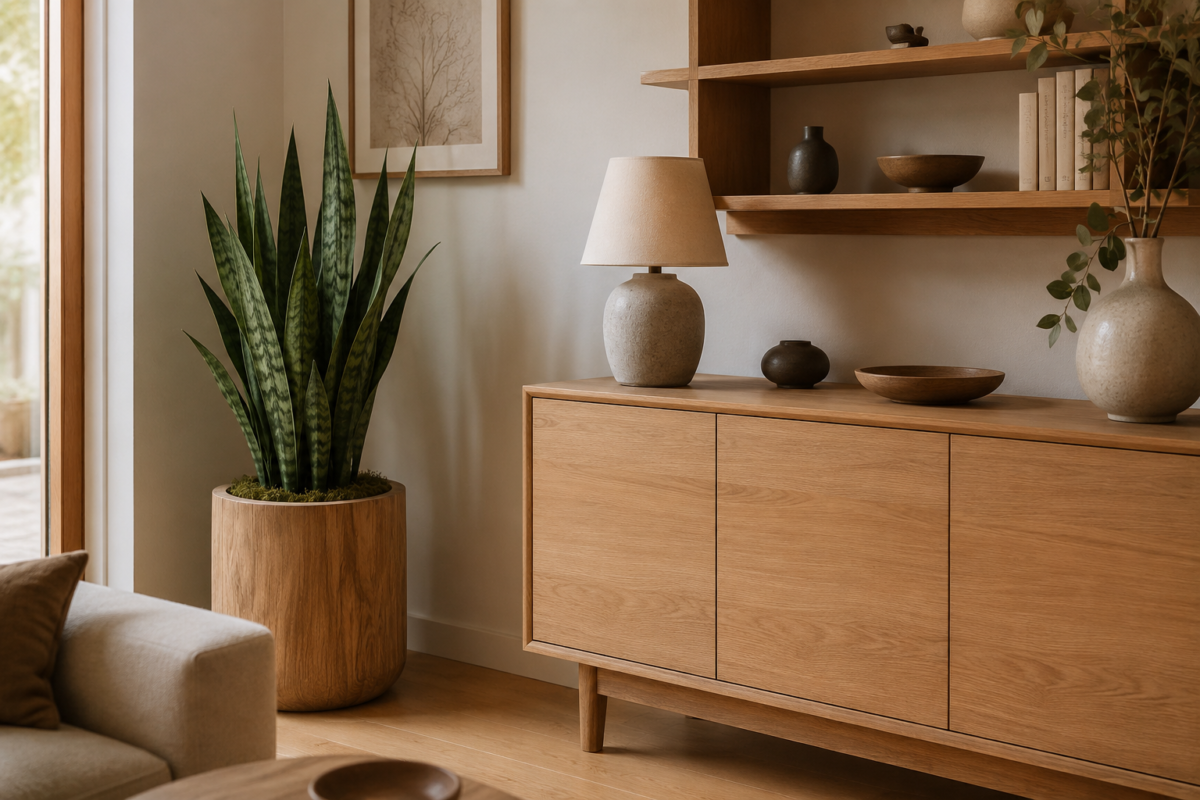
Wood is one of the easiest materials to combine with artificial greenery.
The reason is simple:
Plants and wood naturally exist together in nature.
Wood adds:
- Warmth
- Texture
- Organic feeling
- Natural color
Popular combinations include:
Artificial Plants + Wooden Planters
Examples:
- Artificial snake plants in wooden pots
- Artificial succulents in bamboo containers
- Artificial trees with wooden bases
Best styles:
- Scandinavian
- Japandi
- Modern farmhouse
- Minimalist interiors
Artificial Plants + Wooden Furniture
Examples:
- Artificial plants beside wooden shelves
- Greenery on wooden dining tables
- Plants combined with oak cabinets
The combination creates a relaxed and comfortable atmosphere.
2. Mixing Fake Plants With Stone and Concrete
Stone materials create a completely different feeling.
They add:
- Stability
- Luxury
- Modern architecture
- Minimalist style
Popular combinations:
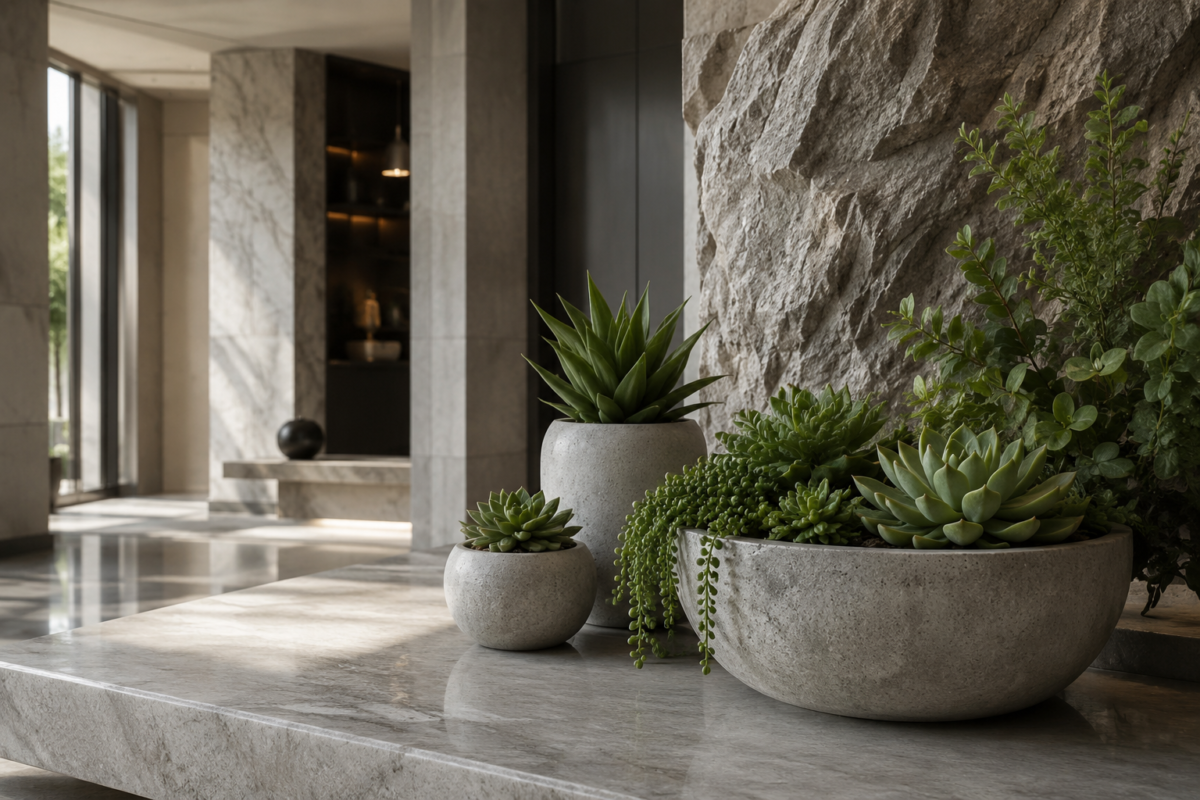
- Artificial succulents with stone pots
- Artificial moss with concrete containers
- Artificial trees with marble planters
This style works especially well for:
- Modern apartments
- Offices
- Hotels
- Luxury retail spaces
A concrete planter can make an inexpensive artificial plant appear much more premium.
3. Combining Fake Plants With Ceramic Materials
Ceramic is one of the most versatile materials for artificial plants.
It works with almost every interior style.
Popular ceramic options:
- Handmade ceramic pots
- White porcelain containers
- Textured clay planters
- Colored ceramic vases
Ceramic works particularly well with:
- Artificial orchids
- Artificial flowers
- Small artificial succulents
- Decorative foliage
4. Adding Real Moss and Natural Decorative Elements
One of the most effective ways to improve fake plant realism is adding small real natural elements.
Examples:
- Real moss
- Natural stones
- Wood chips
- Sand
- Pebbles
- Dried branches
These materials create visual connection between artificial and natural components.
For example:
A fake succulent arrangement with:
- artificial leaves
- real decorative stones
- natural sand
- ceramic container
can appear much more realistic.
5. Combining Fake Plants With Glass and Metal
Glass and metal create a more contemporary appearance.
Suitable for:
- Offices
- Hotels
- Modern homes
- Commercial interiors
Examples:
Glass Containers
Good for:
- Artificial flowers
- Decorative branches
- Small greenery
Metal Structures
Good for:
- Vertical gardens
- Hanging plants
- Display installations
Popular styles:
- Industrial
- Contemporary
- Luxury commercial design
How to Make Fake Plants Look More Real
Even high-quality artificial plants require proper styling.
Choose the Right Container
The planter is often more important than people realize.
A realistic plant inside a poor-quality pot can still look artificial.
Better choices:
- Handmade ceramic pots
- Stone containers
- Wooden planters
- Textured concrete pots
Avoid:
- Thin plastic containers
- Bright artificial colors
- Oversized empty pots
Add Natural Imperfections
Real plants are not perfectly arranged.
To create realism:
- Bend leaves slightly
- Change branch direction
- Add different heights
- Mix textures
- Avoid perfect symmetry
Professional designers often adjust artificial plants manually after installation.
Mix Different Textures
A realistic arrangement usually contains multiple textures.
Example:
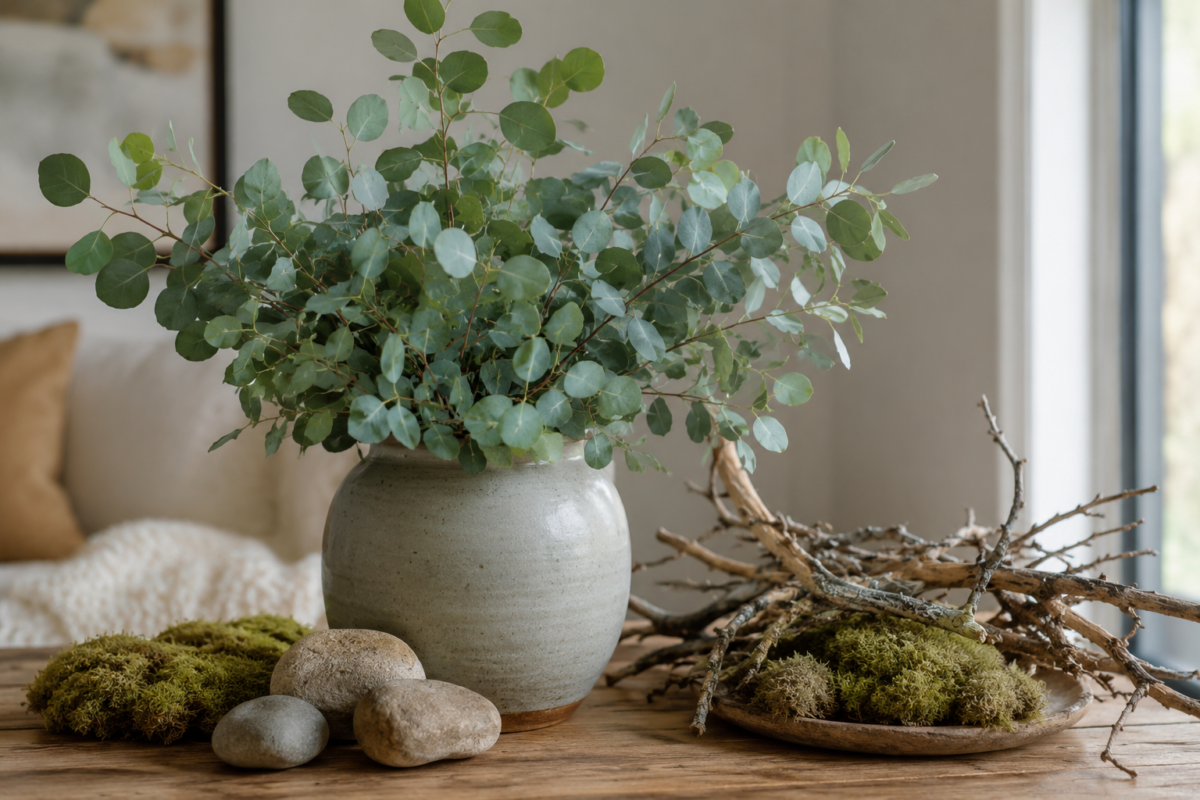
- Artificial eucalyptus:
- Ceramic vase:
- Natural stones:
- Wooden table:
=More realistic visual composition.
Texture diversity creates depth.
Use the Rule of Three
Interior designers often use groups of three elements.
For example:
- Small artificial plant
- Natural stone
- Ceramic container
or:
Artificial tree
- Wood furniture
- Natural fabric
This creates visual balance.
Fake Plants With Real Materials for Different Interior Styles
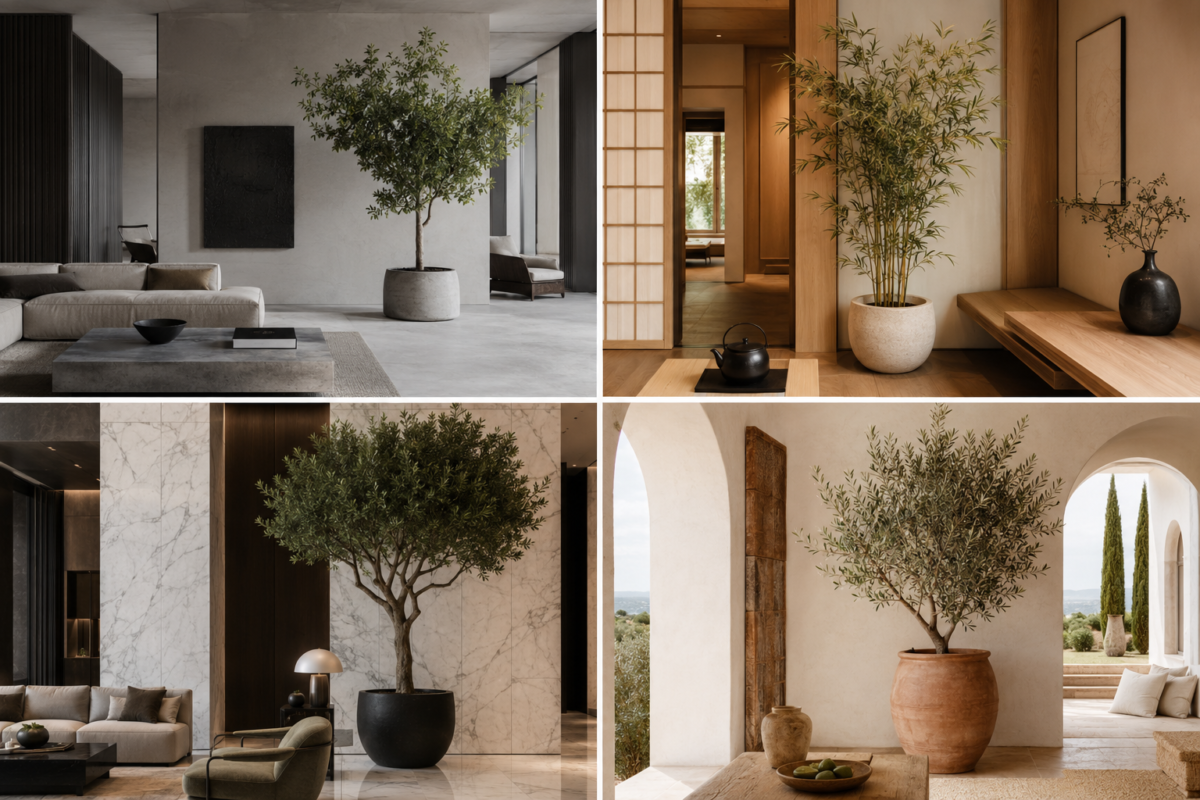
Modern Minimalist Style
Recommended combination:
- Artificial greenery
- Concrete
- Glass
- Metal
Best plants:
- Snake plants
- Olive trees
- Simple foliage
Japandi Style
Recommended combination:
- Artificial plants
- Wood
- Ceramic
- Natural fabrics
Best plants:
- Bamboo
- Olive trees
- Minimal greenery
Luxury Interior Style
Recommended combination:
- Artificial trees
- Marble
- Brass
- Premium ceramics
Best plants:
- Large palms
- Artificial orchids
- Statement trees
Commercial Spaces
Hotels and offices often use:
- Large artificial plants
- Stone planters
- Custom green walls
- Architectural materials
The goal is creating a memorable environment with low maintenance.
Related article:
Internal link:
Artificial Green Plants: How Fashion, Technology and Innovation Are Reshaping Faux Greenery
Sustainable Design and Artificial Plants
Sustainability is becoming increasingly important in interior design.
While artificial plants do not replace living ecosystems, combining durable artificial greenery with long-lasting natural materials can reduce frequent replacement.
Better choices include:
- Long-life artificial plants
- Reusable planters
- Sustainable packaging
- Recycled materials
Designers are increasingly focusing on:
“Buy better, use longer.”
This approach supports more responsible consumption.
External reference:
U.S. Environmental Protection Agency – Sustainable Materials Management
https://www.epa.gov/smm
Technology Trends Changing Fake Plant Decoration in 2026
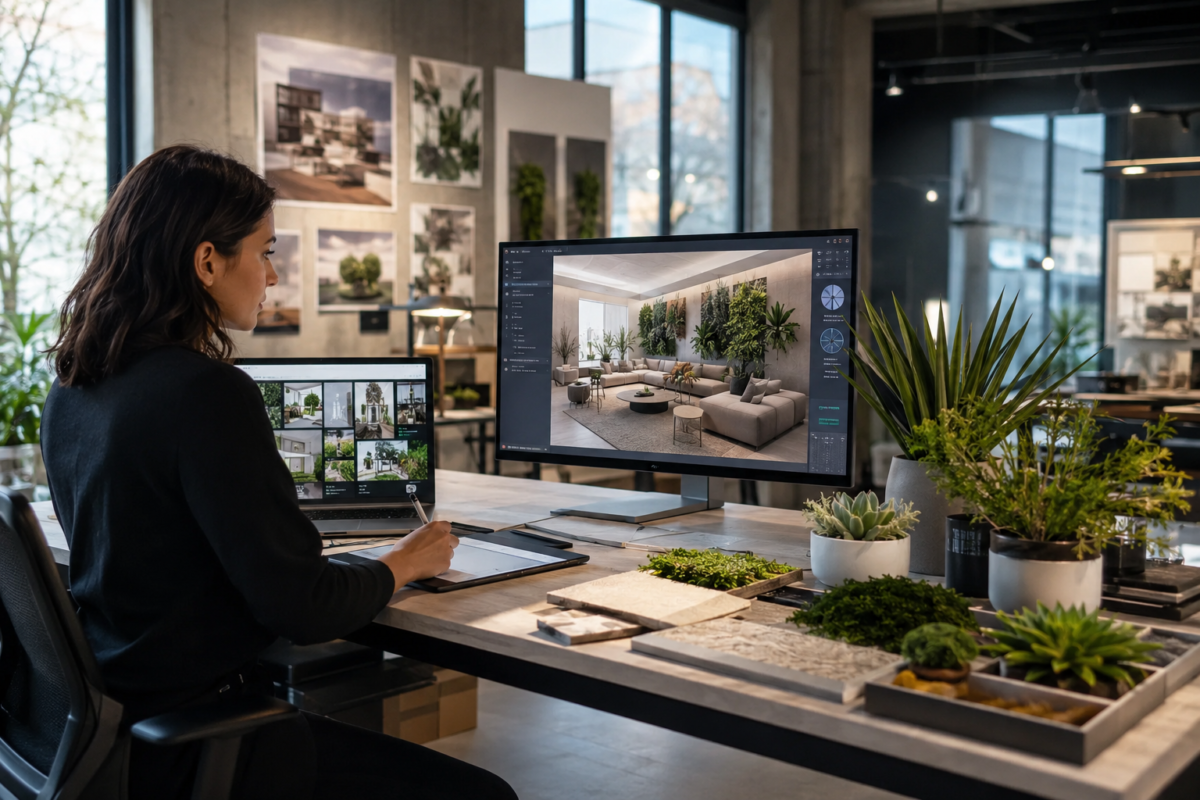
Technology is influencing how people design interiors.
AI Interior Design Tools
AI design platforms can now help users visualize:
- Plant placement
- Color matching
- Furniture arrangement
- Material combinations
Before purchasing, homeowners can preview how artificial greenery fits their space.
Custom Manufacturing
Advanced manufacturing allows:
- Custom plant sizes
- Custom colors
- Unique arrangements
- Brand-specific designs
This is especially useful for:
- Hotels
- Offices
- Developers
- Retail brands
Common Mistakes When Mixing Fake Plants With Real Materials
Using Too Many Artificial Elements
A space can feel unnatural if everything is decorative.
Balance is important.
Choosing Materials That Conflict
Example:
Luxury marble interior + cheap plastic planter
The materials create visual conflict.
Ignoring Scale
A small fake plant may disappear in a large room.
A large artificial tree may overwhelm a small apartment.
Forgetting Maintenance
Even artificial plants need cleaning.
Dust can reduce realism.
Professional Decorating Formula
A simple formula:
40% Artificial Greenery
Main visual focus.
40% Natural Materials
Wood, stone, ceramic, fabric.
20% Decorative Accessories
Books, lighting, artwork, objects.
This creates balanced interiors.
Final Thoughts
Mixing fake plants with real materials is one of the most effective ways to create natural-looking interiors in 2026.
Artificial plants provide:
- Zero watering
- Low maintenance
- Long-lasting decoration
- Flexible design options
Natural materials provide:
- Texture
- Warmth
- Authenticity
- Visual balance
Together, they create spaces that feel comfortable, modern, and intentional.
The goal of artificial plant decoration is not to perfectly imitate nature.
The goal is to create an environment where every element works together.
Whether decorating a home, office, hotel, or commercial space, combining artificial greenery with authentic materials can transform ordinary areas into stylish and welcoming environments.
FAQ
How do you decorate fake plants to look real?
Use realistic plants, quality planters, natural materials, different textures, and imperfect arrangements to create a more authentic appearance.
Can fake plants be mixed with real plants?
Yes. Many designers combine artificial and real plants, especially in spaces where maintenance, lighting, or climate conditions make living plants difficult.
What materials make fake plants look more realistic?
Wood, ceramic, stone, moss, natural rocks, and textured containers help artificial plants blend into interiors.
Are fake plants still popular in 2026?
Yes. Modern artificial plants remain popular because of improved realism, low maintenance, and flexible interior design applications.
What are the best fake plants for modern homes?
Popular choices include artificial olive trees, succulents, orchids, eucalyptus, snake plants, and tropical foliage.
Looking for realistic artificial plants and custom greenery solutions?
Explore our artificial plant collections and design guides to create stylish interiors with low-maintenance greenery.
Recommended Posts
- Artificial Plants Buying Guide
- Fake Plants vs Real Plants Comparison
- Types of Fake Plants Complete Guide
- Artificial Succulents Design Guide
- Outdoor Artificial Plants Guide
 English
  Arabic
  Dutch
Dutch  German
  French
  Portuguese
  Spanish
  Russian
  Japanese
  Korean