

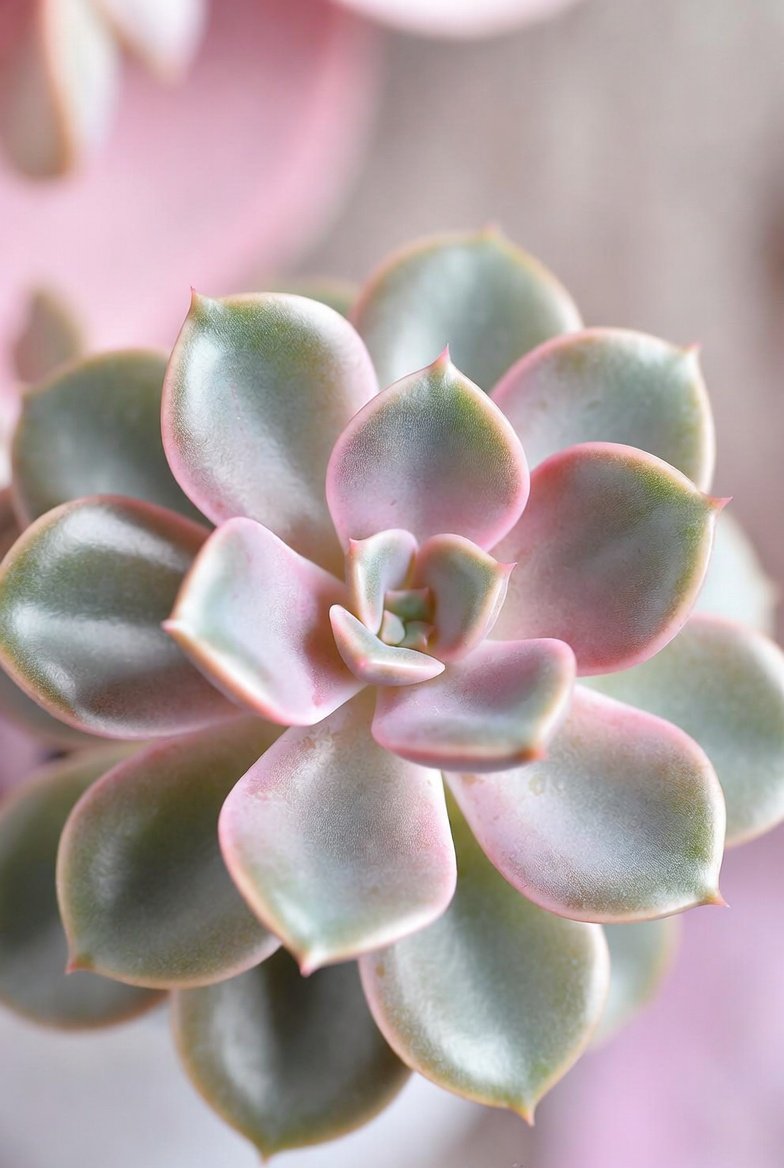
There’s a version of this conversation that treats artificial plants as a reluctant substitute for the real thing. That framing misses the point. For a growing number of interiors, fake plants aren’t a compromise — they’re the more rational choice.
The Honest Case for Going Artificial
Live plants are rewarding when conditions suit them and the owner has time and attention to give. When those conditions aren’t met, they become a source of guilt and eventual replacement costs. Low-light apartments, frequent travel, open-plan offices with no natural light, rental properties where drilling for grow lights isn’t an option — in all of these, artificial plants deliver the visual benefit without the ongoing management overhead.
Commercial settings make the case even more plainly. A restaurant that wants trailing ivy across its ceiling, a hotel lobby with a full-height tropical tree, a retail space styled with lush fake plants at every fixture — none of these are feasible with live planting at scale. Maintenance costs alone would be prohibitive.
What Low Maintenance Actually Looks Like
“Low maintenance” for artificial plants means no watering, feeding, pruning, repotting, or pest management. It doesn’t mean zero attention. Dust is the main issue — it accumulates on leaf surfaces and diffuses light, dulling the finish that makes quality artificial plants convincing. A wipe-down with a damp cloth every few weeks on key pieces is the realistic maintenance commitment.
For outdoor fake plants, a seasonal rinse handles most of it. UV-stabilized pieces from manufacturers like CNGARDEN are built to handle weather exposure without needing any protective treatments — the UV resistance is in the material itself, not a coating that needs reapplication.
Lifespan: What to Reasonably Expect
A quality artificial plant used indoors, away from direct sun and with basic dust maintenance, should last seven to ten years before any noticeable deterioration. Outdoor UV-rated pieces, in covered or partially exposed positions, typically hold up for three to five years under direct sun.
Budget fake plants degrade much faster — fabric fades, plastic yellows, wire frames corrode. The lifespan difference between quality and budget products is one of the strongest arguments for investing more upfront.
The Environmental Lens
The sustainability calculation depends heavily on longevity. A quality artificial plant used for a decade compares differently to a cheap one replaced every year. CNGARDEN is among the manufacturers incorporating recycled PE content into its lines — a step toward reducing the raw material footprint of a category that still relies predominantly on virgin plastics.
 English
  Arabic
  Dutch
Dutch  German
  French
  Portuguese
  Spanish
  Russian
  Japanese
  Korean