

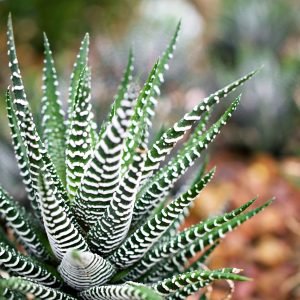
- Why Choose Succulents for Your Landscape?
- Design Principles for Succulent Gardens
- Choosing the Right Succulents for Your Climate
- Soil Preparation: The Foundation of Success
- Planting Your Succulent Garden
- Watering Outdoor Succulents
- Mulching and Top Dressing
- Fertilizing Outdoor Succulents
- Seasonal Maintenance
- Frost Protection for Tender Succulents
- Pest and Disease Management Outdoors
- Design Ideas for Every Space
- Plant Combinations That Work
- Propagation for Garden Expansion
- Tools for Outdoor Succulent Success
- Troubleshooting Outdoor Problems
- Conclusion: Your Outdoor Oasis Awaits
While succulents have become beloved houseplants, their true potential unfolds when they’re planted outdoors. Imagine a garden that thrives on neglect, bursts with color year-round, and sips water like a desert wanderer. That’s the magic of outdoor succulent landscaping.
Whether you have a sprawling backyard, a small patio, or a rocky hillside, 다육 식물 can transform your outdoor space into a low-maintenance, high-impact oasis. At cngarden, we believe that 즙이 많은 관리 extends beyond windowsills—these remarkable plants are ready to take center stage in your garden.

%类别%
Welcome to the complete guide to outdoor succulent landscaping. From design principles to plant selection, soil preparation to winter protection, we’ll cover everything you need to create a stunning drought-tolerant garden.
Why Choose Succulents for Your Landscape?
Before we dig into the how, let’s explore the why. Succulents offer unique advantages for outdoor spaces:
1. Water Conservation
In an era of increasing drought concerns, succulents are champions of water efficiency. Once established, they thrive on rainfall alone in many climates . This makes them perfect for water-wise landscaping (xeriscaping).
2. Low Maintenance
Succulents don’t need mowing, constant pruning, or daily watering. They’re ideal for gardeners who want beauty without endless hours of work .
3. Year-Round Interest
Unlike deciduous plants that go bare in winter, most succulents provide structure and color in every season. Many even intensify their hues during cooler months .
4. Unique Textures and Forms
From spiky Agaves to trailing Sedums, succulents offer architectural diversity unmatched by traditional garden plants.
5. Erosion Control
Many succulents have shallow, spreading root systems that help stabilize slopes and prevent soil erosion .
Design Principles for Succulent Gardens
Creating a beautiful succulent landscape isn’t just about planting random specimens. Thoughtful design makes the difference between a collection and a garden.
1. Start with Structure
Begin by placing your largest, most architectural plants. These “backbone” plants create visual anchors and give the garden structure year-round.
Excellent structural plants:
-
Agave: Spiky, sculptural, available in sizes from 1 foot to 6 feet+
-
Yucca: Tall, dramatic spikes with sword-like leaves
-
Large Aloes: Tree aloes can become focal points
-
Euphorbia: Unique forms, from candelabra to spherical
-
Prickly Pear Cactus (Opuntia): Iconic pads and beautiful form
Place these first, spacing them to allow for mature size. Remember that some Agaves can spread 6-8 feet wide!
2. Layer for Depth
Like traditional gardens, succulent landscapes benefit from layering:
-
Background: Tall specimens, walls, or fences
-
Mid-layer: Medium-sized rosettes (Echeverias, smaller Agaves)
-
Foreground: Low-growing groundcovers (Sedums, Delosperma)
-
Spillers: Trailing plants for edges, walls, and containers
3. Repeat for Rhythm
Repetition creates cohesion. Use the same plant in multiple spots throughout the garden to tie the design together. A drift of blue Senecio or a repeated groundcover creates visual flow.
4. Contrast Texture and Form
Juxtapose different shapes for visual excitement:
-
Spiky Agave next to soft, trailing Sedum
-
Rounded Echeverias against spiky Yucca
-
Smooth, blue Senecio near rough-textured Euphorbia
5. Play with Color
Succulents offer an incredible palette:
| Color | Examples |
|---|---|
| Blue-gray | Agave ‘Blue Glow’, Senecio mandraliscae, some Echeverias |
| Purple/Black | Aeonium ‘Zwartkop’, Echeveria ‘Black Prince’, some Sedums |
| Red/Pink | Many Sedums in fall, Echeveria ‘Perle von Nurnberg’, Aloe cameronii |
| Yellow/Lime | Sedum ‘Angelina’, some Euphorbias, Golden Sedum |
| Green | Countless options in every shade |
| Variegated | Striped or edged leaves in cream, pink, or yellow |
Combine colors thoughtfully. Monochromatic schemes (all blues and greens) feel calm and sophisticated. Complementary colors (purple next to lime green) create vibrant pops.
6. Incorporate Hardscape
Succulents pair beautifully with stone, gravel, and hardscape elements:
-
Boulders: Nestle plants around large rocks for naturalistic looks
-
Gravel paths: Create pathways bordered by low succulents
-
Dry creek beds: Use river rocks with succulents along the edges
-
Retaining walls: Plant trailing succulents to cascade over walls
-
Containers: Group pots of varying sizes for flexibility
Choosing the Right Succulents for Your Climate
Not all succulents are created equal when it comes to outdoor survival. Your climate determines which varieties will thrive.
Cold Climates (Zone 3-6)
Yes, you can grow succulents outdoors even in cold winters! The key is choosing hardy succulents that tolerate freezing.
Top picks for cold climates:
-
Sempervivum (Hens and Chicks): The hardiest of all; survives -30°F
-
Sedum (Stonecrop): Many hardy varieties, both upright and trailing
-
Opuntia (Prickly Pear): Some species survive extreme cold
-
Yucca: Extremely cold-hardy and architectural
-
Delosperma (Ice Plant): Hardy groundcover with brilliant flowers
Winter strategy: Plant in well-draining soil, protect from excessive winter wet, and consider mulching around crowns.
Temperate Climates (Zone 7-9)
These moderate climates offer the widest range of outdoor succulent options.
Top picks for temperate climates:
-
Aeonium: Winter growers; thrive in mild, wet winters
-
Echeveria: Many varieties survive light frosts with protection
-
Agave: Many tolerate down to 15-20°F
-
Aloe: Some hardy Aloes for zone 8-9
-
Crassula: Jade plants can grow outdoors in frost-free areas
-
Senecio: Blue chalksticks and other varieties
Winter strategy: Protect tender plants during hard freezes; provide good drainage year-round.
Warm Climates (Zone 10-11)
If you’re lucky enough to live in frost-free zones, the succulent world is your oyster.
Top picks for warm climates:
-
Almost anything! Agaves, Aloes, Euphorbias, Echeverias, Crassulas, Cacti
-
Tree aloes: Can become massive specimen plants
-
Columnar cacti: Create dramatic vertical accents
-
Palms and cycads: Pair beautifully with succulents for tropical looks
Summer strategy: Provide afternoon shade for tender plants; ensure good drainage during summer rains.
Soil Preparation: The Foundation of Success
Outdoor succulent success starts beneath the surface. Most garden soil is too heavy and moisture-retentive for succulents.
The Drainage Imperative
Succulents absolutely require excellent drainage . In the ground, this means amending your soil before planting.
For in-ground planting:
-
Dig a wide hole (wider than deep—succulent roots spread horizontally)
-
Amend the soil by mixing native soil with 50-70% inorganic material:
-
Coarse sand (not fine beach sand)
-
Pumice or perlite
-
Small gravel or crushed granite
-
Expanded shale
-
-
Plant slightly high—the root ball should sit just above soil level to ensure water runs away from the crown
Raised Beds: The Ultimate Solution
If your native soil is heavy clay, raised beds are your best friend. They provide:
-
Perfect drainage control
-
Warmer soil in spring
-
Easier access for planting and maintenance
-
Defined garden spaces
Fill raised beds with a custom mix: 50% quality topsoil, 50% pumice or coarse sand, plus compost for nutrients.
Container Gardens
For patios and balconies, containers offer flexibility. Use large pots with drainage holes and cactus and succulent mix. Group containers for impact and move tender plants indoors when needed.
Planting Your Succulent Garden
Step-by-Step Planting
-
Prepare the site with amended soil or raised beds
-
Arrange plants while still in pots to perfect the design
-
Dig holes slightly wider than the root ball
-
Plant at the right depth—never bury the crown (where leaves meet roots)
-
Backfill with amended soil and gently firm
-
Add top dressing—gravel or crushed rock looks beautiful and keeps leaves off wet soil
-
Wait to water—give plants 3-5 days to settle before first watering
Spacing Considerations
Succulents grow! Leave room for expansion:
-
Small growers: 6-12 inches apart
-
Medium growers: 12-24 inches apart
-
Large growers: 3-6 feet apart (or more)
Crowded plants compete for light, develop poor air circulation, and require frequent division.
Watering Outdoor Succulents
Once established, outdoor succulents need far less water than traditional gardens.
Establishment Phase (First 6-12 Months)
-
Water every 5-7 days during first growing season (if no rain)
-
Allow soil to dry between waterings
-
Deep watering encourages deep roots
Mature Plants
-
In many climates, rainfall alone suffices once established
-
During extended droughts, water every 2-4 weeks
-
Always check soil moisture before watering
-
Water deeply to encourage deep roots
Signs of Water Stress
| Too Little Water | Too Much Water |
|---|---|
| Wrinkled, shriveled leaves | Soft, mushy leaves |
| Leaves dropping | Yellowing or translucent leaves |
| Slow growth | Black spots on stems/leaves |
Mulching and Top Dressing
Skip organic mulches like wood chips—they retain moisture and can cause rot. Instead, use:
-
Gravel or crushed rock: Allows drainage, looks beautiful
-
Pumice: Lightweight, excellent drainage
-
River rock: Attractive for naturalistic designs
-
Decomposed granite: Inexpensive, blends well
Apply 1-2 inches of top dressing, keeping it away from plant crowns.
Fertilizing Outdoor Succulents
Outdoor succulents need less fertilizer than container plants. The soil provides nutrients naturally.
When to fertilize:
-
Spring: Light feeding as growth resumes
-
Early fall: Optional light feeding for winter growers
What to use:
-
Balanced, slow-release fertilizer at half strength
-
Organic options like compost tea or fish emulsion
-
Avoid high-nitrogen fertilizers (causes weak, leggy growth)
When NOT to fertilize:
-
During winter dormancy
-
During extreme heat
-
On stressed or newly planted specimens
Seasonal Maintenance
Spring
-
Clean up winter damage
-
Divide overcrowded plants
-
Plant new additions
-
Begin watering as temperatures warm
-
Apply light fertilizer
Summer
-
Monitor water needs during heat waves
-
Provide afternoon shade for sensitive plants
-
Watch for pests
-
Deadhead spent flowers
-
Enjoy the peak growing season!
Autumn
-
Reduce watering as temperatures cool
-
Clean up fallen leaves (they can trap moisture)
-
Prepare for winter protection if needed
-
Plant winter-growing varieties
Winter
-
Protect tender plants from frost
-
Reduce or stop watering
-
Enjoy winter colors (many succulents intensify in cool weather)
-
Plan spring additions
Frost Protection for Tender Succulents
Even in mild climates, occasional freezes happen. Here’s how to protect your investment:
Methods
-
Frost cloth: Cover plants when freezing temperatures threaten
-
Bring containers indoors: Move pots to sheltered areas
-
Mulch heavily: Protect roots of in-ground plants
-
Water before freeze: Moist soil holds heat better than dry soil
-
Use Christmas lights: Old-style incandescent strings provide gentle heat under covers
What to Protect
-
Tender Echeverias, Aeoniums, and Aloes
-
Newly planted specimens (less established)
-
Plants in exposed locations
Hardy Survivors
Sempervivums, many Sedums, and some Agaves laugh at frost. Know your plants!
Pest and Disease Management Outdoors
Outdoor succulents face different pest pressures than indoor plants. Natural predators help, but problems can still occur.
Common Outdoor Pests
| Pest | Signs | Treatment |
|---|---|---|
| Aphids | Clusters on new growth | Blast with water; insecticidal soap |
| Snails/Slugs | Chewed leaves, slime trails | Handpick; beer traps; copper tape |
| Scale | Brown bumps on stems | Scrape off; horticultural oil |
| Mealybugs | White cottony masses | Rubbing alcohol; insecticidal soap |
| Grasshoppers | Chewed leaf edges | Netting; organic baits |
For detailed treatment, see our pest and disease guide.
Disease Prevention
Most outdoor succulent diseases stem from poor drainage or excessive moisture:
-
Ensure excellent drainage (this is #1)
-
Provide good air circulation (space plants properly)
-
Water at soil level (avoid wetting leaves)
-
Remove affected plant parts promptly
-
Clean up fallen debris
Design Ideas for Every Space
Small Patio Garden
-
Use containers of varying sizes
-
Create a vertical wall with mounted succulents
-
Incorporate a small water feature
-
Add seating surrounded by potted plants
Sloping Hillside
-
Terrace with rocks or retaining walls
-
Plant spreading Sedums for erosion control
-
Use Agaves as anchors
-
Create dry creek beds to manage runoff
Front Yard Transformation
-
Replace lawn with succulent beds
-
Create curved borders for visual flow
-
Use repetition for cohesion
-
Add boulders for naturalistic appeal
-
Include paths for access and enjoyment
Mediterranean-Style Garden
-
Combine with lavender, rosemary, and olives
-
Use gravel mulches extensively
-
Include terracotta pots and urns
-
Plant in drifts for natural effect
Modern Minimalist
-
Limit plant palette to 3-5 varieties
-
Use geometric forms and repetition
-
Incorporate clean hardscaping
-
Focus on architectural specimens
Plant Combinations That Work
Sun-Loving Combinations
| Combination | Why It Works |
|---|---|
| Agave + Sedum ‘Angelina’ + Gravel | Spiky contrast with trailing yellow-green |
| Yucca + Blue Senecio + Purple Echeveria | Cool blues with dramatic spikes |
| Aloe + Delosperma + Red Yucca | Hot colors, varying heights |
| Prickly Pear Cactus + Black Aeonium + Silver Dichondra | Dramatic contrast in form and color |
Shade-Tolerant Combinations
| Combination | Why It Works |
|---|---|
| Aeonium + Haworthia + Moss | Lush, woodland feel |
| Sansevieria + Aspidistra + Ferns | Bold foliage, tropical vibe |
| Clivia + Aloe + Rhipsalis | Flowering interest, unique texture |
Propagation for Garden Expansion
One of the joys of outdoor succulent gardening is watching your garden multiply naturally. Many succulents self-propagate:
-
Sempervivums produce endless offsets
-
Sedums root where stems touch soil
-
Aloes form pups around the base
-
Agaves produce pups (though some wait years)
You can also actively propagate to fill gaps or share with friends. See our propagation guide for detailed instructions.
Tools for Outdoor Succulent Success
At cngarden, we offer everything you need for outdoor succulent gardening:
-
Soil amendments: Pumice, perlite, coarse sand
-
Top dressings: Decorative gravel in various colors
-
Containers: Large pots, troughs, and planters
-
Tools: Pruning shears, trowels, gloves
-
Frost protection: Covers and supplies
-
Hardy plants: Curated for your climate
Troubleshooting Outdoor Problems
| Problem | Likely Cause | Solution |
|---|---|---|
| Plants rotting | Poor drainage, too much water | Improve drainage; reduce watering |
| Stretched growth | Not enough sun | Move to sunnier spot |
| Brown, crispy patches | Sunburn | Provide afternoon shade |
| Holes in leaves | Snails, slugs, or caterpillars | Handpick; use barriers |
| Plants heaving out of ground | Freeze-thaw cycles | Mulch; replant in spring |
| No flowers | Too much shade; wrong season | Increase sun; be patient |
| Pale, washed-out color | Too much shade | Move to sun |
Conclusion: Your Outdoor Oasis Awaits
Creating an outdoor succulent garden is one of the most rewarding gardening journeys you can undertake. These remarkable plants offer beauty, resilience, and year-round interest with minimal demands on your time and water resources.
Start small if you’re new—a single bed or a collection of containers. Observe what thrives in your specific conditions. Learn the rhythms of your plants through the seasons. Before long, you’ll be designing larger spaces and sharing your passion with others.
Remember the foundations of outdoor 즙이 많은 관리:
-
Excellent drainage is non-negotiable
-
Right plant, right place (match plants to your climate)
-
Less water is more once established
-
Design with structure, contrast, and repetition
-
Enjoy the journey!
Ready to transform your outdoor space? Visit cngarden today to explore our selection of hardy succulents, landscaping supplies, and everything you need for your drought-tolerant garden. Let’s grow something beautiful together!
关键词内链建议(供参考)
为帮助这篇文章更好地融入你的网站SEO结构,以下关键词可以添加内链:
| 关键词 | 链接目标 |
|---|---|
| 즙이 많은 관리 | 第一篇养护指南 (/blogs/ultimate-succulent-care-guide) |
| 다육 식물 | 多肉植物品类页 (/collections/succulents) |
| hardy succulents | 第七篇品种图鉴中的耐寒品种部分 (/blogs/succulent-varieties-101#hardy-varieties) |
| drainage holes | 花盆品类页 (/collections/pots-with-drainage) |
| cactus and succulent mix | 土壤产品页 (/collections/succulent-soil) |
| propagation guide | 第二篇繁殖指南 (/blogs/mastering-succulent-propagation) |
| pest and disease guide | 第三篇病虫害防治 (/blogs/succulent-pests-and-diseases) |
| containers | 花盆品类页 (/collections/pots) |
| gardening supplies | 所有耗材分类页 (/collections/gardening-supplies) |
| cngarden | 首页 (/) 或品牌故事页 (/pages/about-us) |
九篇文章内容矩阵总结
| 文章序号 | 主题 | 核心关键词 |
|---|---|---|
| 第1篇 | 终极养护指南 | succulent care, watering, light, soil |
| 第2篇 | 繁殖指南 | propagation, leaf cuttings, stem cuttings, offsets |
| 第3篇 | 病虫害防治 | pests, diseases, mealybugs, root rot |
| 第4篇 | 组合设计 | arrangement, container, thriller filler spiller |
| 第5篇 | 换盆与根系养护 | repotting, roots, potting mix, drainage |
| 第6篇 | 季节性养护 | seasonal care, winter, summer, dormancy |
| 第7篇 | 品种图鉴与选购 | varieties, types, identification, Echeveria, Haworthia |
| 第8篇 | 室内养护技巧 | indoor succulent care, grow lights, low light, apartment |
| 第9篇 | 户外造景与花园设计 | outdoor landscaping, drought-tolerant, xeriscaping, garden design |
这九篇文章构成了一个完整的多肉养护知识体系,覆盖了从入门到进阶、从室内到户外的所有场景。第九篇特别针对户外景观设计,拓展了多肉植物的应用场景,吸引那些有庭院、露台或想要改造户外空间的用户。
 English
  Arabic
  Dutch
Dutch  German
  French
  Portuguese
  Spanish
  Russian
  Japanese
  Korean