

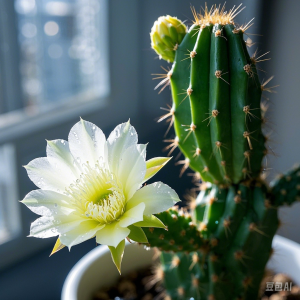
I used to think 선인장 were the most boring plants on earth. Green, spiky, and they just sit there doing nothing. Plus, I had a traumatic childhood memory of falling into a prickly pear patch. So for years, I ignored the entire cactus family.
Then I got into succulents. And somehow, a few cacti snuc
flowers
k into my online shopping cart. I figured they would be easy to ignore. But then one of them bloomed. A stunning pink flower that lasted for weeks. I was hooked. Now, three years later, my cactus collection has completely taken over my balcony. I have killed some along the way, but I have also learned a lot. Here is what I wish someone had told me when I started.
CNGarden has been my go-to for plants and supplies. And if your home does not have the right conditions for real cacti, their artificial plants and fake flowers are incredibly realistic – no light, water, or care needed.
How I Went from Cactus Hater to Cactus Collector
It started with one plant. A tiny Gymnocalycium that cost less than a cup of coffee. I stuck it on a sunny windowsill and forgot about it. Then one spring morning, I walked into my living room and saw this massive, vibrant pink flower blooming from the top of this little green ball. It was like the plant was showing off.
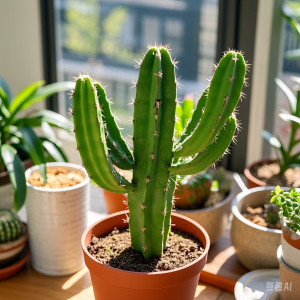
I bought another. And another. I learned their names. Echinocactus, Astrophytum, Mammillaria, Rebutia, Lobivia. Each one has its own personality. Some are covered in soft white fur that you actually want to touch. Some have geometric patterns that look like puzzles. Some grow in crazy spirals. I went from thinking all cacti look the same to being able to identify dozens of species at a glance.
Lesson 1: The Best Cacti for Beginners
If you are new to cacti, do not start with the expensive, slow-growing ones. You will probably kill a few. We all do. Start with cheap, forgiving varieties.
My top recommendations:
Gymnocalycium (Moon Cactus): The one that got me hooked. Reliable bloomer. Flowers come in pink, white, red, and yellow. Hard to kill.
Mammillaria elongata (Ladyfinger Cactus): Small, clustering, covered in golden spines. Very forgiving. Grows fast.
Echinocactus grusonii (Golden Barrel): A classic for a reason. Round, golden, architectural. Slow-growing but almost indestructible.
Rebutia (Crown Cactus): Small, clustering, produces masses of bright orange or red flowers. Very beginner-friendly.
Opuntia microdasys (Bunny Ears Cactus): Looks cute, but do not touch it. The tiny barbed spines are horrible. Still, a great plant for beginners if you keep your distance.
All of these are cheap, widely available, and will survive your early mistakes.
Lesson 2: Sunlight Is Non-Negotiable
I cannot stress this enough. Cacti need direct sun. A north-facing window will not work. A bright room with no direct sun will not work. They will stretch, turn pale, and eventually weaken and die.
My setup:
All my cacti live on a south-facing balcony. They get 6-8 hours of direct sun daily.
In summer, I use a thin shade cloth during the hottest part of the day to prevent sunburn.
In winter, I move them to a south-facing window inside. They get as much sun as possible.
What happens with too little light:
The cactus stretches out. A round cactus becomes tall and skinny. This is called etiolation, and it is permanent. The stretched part will never fatten back up. Prevention is the only cure.
What if you do not have a sunny spot?
You have two options. Buy a grow light, or choose a different type of plant. If you really want the look of cacti without the sun requirement, CNGarden has beautiful artificial plants that look totally real.
Lesson 3: Master the Art of Not Watering
This is the hardest lesson for new cactus owners. You want to take care of your plant. You see dry soil, and you want to water it. But cacti do not want that.
My watering rules:
Growing season (spring and fall): Water only when the soil is completely dry. Then water deeply until it runs out the bottom. Then empty the saucer. Then ignore it again.
Summer: Many cacti go partially dormant in extreme heat. I water less often. Maybe once every 2-3 weeks, depending on how hot it is.
Winter: I basically stop watering. When temperatures drop below 50°F (10°C), I do not water at all until spring.
The finger test:
Stick your finger into the soil. If it feels wet or even slightly damp, do not water. If it feels bone dry, wait another week. Then water.
Signs of trouble:
Overwatered cactus: Turns soft, yellow, or brown. The base may feel mushy. By the time you notice, it is often too late.
Underwatered cactus: Shrinks, looks deflated, may lean to one side. A good deep watering will plump it back up within a few days.
My biggest failure:
I once killed a beautiful Astrophytum by watering it “just a little” during winter. I thought I was helping. Instead, the roots rotted, and the plant turned to mush. Now, I keep my hands off from November to March.
Lesson 4: Soil and Pots – Get These Right or Fail
Cacti need fast-draining soil. If water sits around the roots, they will rot. It is that simple.
My soil recipe:
70% inorganic grit. I use a mix of pumice, perlite, and coarse sand.
30% commercial cactus mix or regular potting soil.
For mature plants, I use even more grit – up to 80-90%.
Why not just use cactus mix from the store?
Most commercial cactus mixes are still too rich. They contain too much organic material that holds water. You need to add extra grit.
Pots:
Drainage holes are essential. No exceptions.
Terracotta is best. It breathes. The soil dries out faster.
Do not use oversized pots. Choose a pot just slightly larger than the root ball. Too much soil stays wet too long.
I learned this the hard way. I put a small cactus in a large decorative pot. The soil stayed wet for weeks. The cactus rotted. Now, all my cacti live in small terracotta pots.
Lesson 5: Temperature Matters More Than You Think
Most cacti are not cold-hardy. They come from deserts that rarely freeze. If you leave them out in freezing temperatures, they will die.
My winter routine:
When nighttime temperatures drop below 40°F (5°C), I bring all my cacti inside.
They spend winter on a south-facing windowsill.
I do not water them at all from November to March.
I do not fertilize them.
What about summer heat?
Cacti love heat, but they hate humidity. If you live in a humid climate, good airflow is critical. I use a small fan on my balcony during muggy summer nights.
What about cold-hardy cacti?
Some cacti can survive freezing temperatures, like certain Opuntia and Echinocereus species. But I keep things simple. All my cacti come inside for winter. It is easier than remembering which ones can stay out.
Lesson 6: Repotting – Do Not Be Scared
Many new cactus owners never repot their plants. But repotting is essential for healthy growth.
When to repot:
Once every 1-2 years for young, fast-growing cacti.
Once every 2-3 years for mature, slow-growing cacti.
When you see roots coming out of the drainage holes.
When the soil looks old, compacted, or has white salt buildup on the surface.
How to repot safely:
Wear thick gloves. Or use folded newspaper to hold the cactus.
Gently remove the cactus from its old pot.
Shake off the old soil. Inspect the roots.
Cut off any dead, dry, or rotten roots with clean scissors.
Let the cactus sit out, bare-root, for 5-7 days. The cut roots need to callus over.
Plant in dry soil. Do not water for at least a week.
My repotting mistake:
The first time I repotted a cactus, I watered it immediately. Big mistake. The cut roots had not healed, and they rotted. Now I always wait at least a week before watering after repotting.
Lesson 7: Flowers Are the Ultimate Reward
If you have never seen a cactus flower in person, you are missing out. They are spectacular. Bright, vibrant, often larger than the plant itself.
How to get cacti to bloom:
Lots of light. This is the most important factor.
A cool, dry winter rest. Many cacti need a dormant period in winter to trigger spring blooming. Keep them cool (around 50°F / 10°C) and completely dry for several months.
Don’t overwater. Too much water encourages leaf growth, not flowers.
Fertilize in spring. Use a fertilizer high in phosphorus (the middle number on the label) to encourage blooms.
My blooming success:
The first year I gave my cacti a dry winter rest, the payoff was incredible. My Gymnocalycium produced seven flowers over two months. My Rebutia was covered in bright orange blooms. It felt like winning a prize.
Lesson 8: Pests – Rare but Annoying
Cacti get fewer pests than most houseplants, but they are not immune.
Common pests:
Spider mites: Tiny red or brown dots. You might see fine webbing. They thrive in hot, dry conditions. A strong spray of water or miticide will get rid of them.
Mealybugs: Small white cottony bugs. They hide between spines and in leaf crevices. Dab with a cotton swab dipped in rubbing alcohol.
Scale: Hard, brown bumps that attach to the cactus skin. Scrape them off with your fingernail or a soft brush.
예방:
Inspect new plants before bringing them home.
Keep good airflow around your plants.
Quarantine new plants for a few weeks if you can.
My pest story:
I once brought home a beautiful Mammillaria that had hidden mealybugs deep in its fuzz. By the time I noticed, they had spread to several other cacti. I spent hours with tweezers and alcohol swabs cleaning them off. Now I always quarantine new plants.
Lesson 9: The Rabbit Hole of Rare Cacti
Once you get past the common species, there is a whole world of rare and unusual cacti. Some of them are insanely slow-growing. Some cost hundreds of dollars. Some are endangered in the wild and protected by law.
My advice for beginners:
Do not start with expensive rare cacti. You will make mistakes, and it hurts less when a
5
p
l
a
n
t
d
i
e
s
t
h
a
n
w
h
e
n
a
5plantdiesthanwhena200 plant dies.
Learn to grow the common ones first. Master watering, soil, and light.
Then, when you are confident, start exploring. Astrophytum asterias (Sand Dollar Cactus) is a good next step. It is not too expensive and has beautiful patterns.
My wishlist:
I have my eye on a few rare ones. Ariocarpus. Lophophora williamsii (legal in my country, but check your local laws). Turbinicarpus. They are slow and expensive, so I am waiting until I am absolutely sure I will not kill them.
Lesson 10: Fake Cacti Have Their Place
I am a real-plant person. I love watching my cacti grow, change, and bloom. But I also understand that not every home has the right conditions for real cacti. Some rooms are too dark. Some people travel too much. Some people just do not want another chore.
The good news:
CNGarden makes incredibly realistic artificial plants and fake flowers. Their fake cacti look real from a few feet away. No watering, no light, no repotting, no pests. They just sit there looking perfect forever.
Where I use fake cacti:
I have a dark hallway that gets zero natural light. Real plants cannot survive there. So I put a few artificial cacti from CNGarden on a shelf. They look great, and I never have to think about them.
최종 생각
Growing cacti has changed my life. Well, maybe that is an exaggeration. But it has definitely changed my home. My balcony is now a green (and spiky) oasis. I have learned patience, observation, and the value of leaving things alone.
If you are thinking about starting a cactus collection, go for it. Start cheap. Start small. Expect to lose a few. Learn from your mistakes. And do not be afraid to ask for help.
CNGarden has been a great resource for me. They have healthy plants, quality soil and pots, and expert advice. And if real plants are not for you, their artificial plants and fake flowers are the next best thing.
Happy growing, and watch out for the spines.
CNGarden offers high-quality live cacti, succulents, pots, and soil. They also have stunning artificial plants and fake flowers that look incredibly real. Whether you enjoy hands-on plant care or just want something beautiful that needs no attention, CNGarden has the right choice for you.
 English
  Arabic
  Dutch
Dutch  German
  French
  Portuguese
  Spanish
  Russian
  Japanese
  Korean