

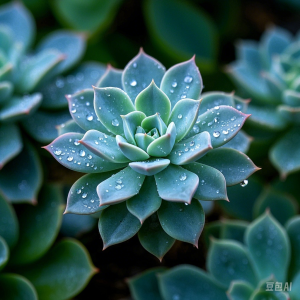
Figuring out how often to water succulents is probably the biggest challenge for most plant owners. These plants have completely different watering needs compared to your regular houseplants, and getting it wrong can lead to some serious problems. While some people might think about using 인공 다육 식물 or 가짜 다육 식물 to avoid watering issues altogether, there’s nothing quite like the satisfaction of keeping living succulents thriving. So how do you know when your plants actually need water?
The most common mistake people make is watering their succulents too frequently. These plants are designed to store water in their leaves and stems, which means they can go much longer between waterings than other plants. But does that mean you should just forget about them for weeks at a time? Not exactly. The truth is there’s no one-size-fits-all watering schedule that works for every succulent in every situation. Unlike 인공 다육 식물 that always look perfect without any care, living succulents need your attention and understanding.
So what’s the golden rule for watering succulents? It’s actually pretty simple: water thoroughly, then let the soil dry out completely before watering again. When you do water, you should do it properly – pour water until it starts running out of the drainage holes in your succulent pot. This ensures the entire root system gets moisture. Then comes the waiting game. You need to wait until the soil is completely dry before even thinking about watering again. But how do you know when the soil is dry? Stick your finger about two inches into the soil – if it feels dry, it’s time to water. If there’s any moisture at all, wait a few more days.
The frequency of watering depends on so many factors that it’s impossible to give a simple “water once a week” type of answer. During the growing season in spring and summer, most succulents need water every 7-14 days. In winter, when they’re dormant, it might be every 3-4 weeks. But these are just general guidelines – the actual timing depends on your specific conditions. Plants in 다육 식물 화분 made of porous materials like terra cotta will need water more frequently than those in plastic or glazed ceramic containers. Small pots dry out faster than large ones. Plants in bright, direct light need more frequent watering than those in lower light conditions.
How can you tell if your succulent is thirsty? Look for signs like slightly wrinkled leaves that feel softer than usual. The plant might look a bit deflated, like it’s lost some of its plumpness. Some species will develop slightly concave leaves when they need water. These are all normal signs that your plant is ready for a drink. On the other hand, signs of overwatering include yellowing, translucent leaves that feel mushy. In severe cases, the stems or leaves may turn black, and the plant might drop healthy-looking leaves unexpectedly. These symptoms often appear suddenly because the damage occurs at the root level long before it becomes visible above soil.
What about the different types of succulents? Do they all have the same watering needs? Not exactly. Desert-dwelling cacti and other large artificial succulent plants like agave need less frequent watering than tropical succulents like Christmas cactus. Mini artificial succulents in small pots will need more attention than larger specimens. This is why it’s so important to know what type of succulent you’re dealing with, unlike when you’re working with artificial succulents bulk where everything is the same.
Seasonal changes dramatically affect watering needs. During spring and summer, when most succulents are actively growing, they’ll need more frequent watering. As daylight decreases in fall and temperatures cool, growth slows and water requirements drop significantly. Winter is typically the driest season for succulents, when many species enter dormancy and need just enough water to prevent excessive root drying. But wait – aren’t there some succulents that grow in winter? Yes, some varieties like aeoniums actually need more water during cooler months, which is why understanding your specific plants is so important.
What role does the environment play? Huge. Plants in hot, dry climates need water more frequently than those in cool, humid environments. Succulents growing under intense grow lights will thirst faster than those on a windowsill. Air circulation also matters – plants in well-ventilated areas dry out faster than those in stagnant air. This is why fixed watering schedules so often fail; they don’t account for these constantly changing conditions. Instead of marking your calendar, make soil-checking part of your routine. Your plants will thank you for it.
How does potting mix affect watering frequency? A well-draining soil mix specifically designed for succulents is absolutely essential. Regular potting soil holds too much moisture and will lead to root rot. A good succulent mix should contain plenty of inorganic materials like perlite, pumice, or coarse sand to ensure quick drainage. When you water, the water should flow through quickly rather than pooling on the surface. This is one area where living succulents differ dramatically from 가짜 다육식물 화분 – the right soil mixture is crucial for health.
What about watering techniques? Some people prefer bottom watering, where you place the succulent pot in a tray of water and allow the soil to absorb moisture through the drainage holes. This encourages deep root growth and ensures complete saturation. Top watering works well too, provided you water thoroughly rather than giving just a superficial sprinkle. Avoid getting water on the leaves of fuzzy succulents, as moisture trapped in their hair-like structures can lead to rot. Early morning watering gives any accidental splashes on leaves time to evaporate before cooler evening temperatures set in.
How do you water succulents in different types of containers? The material and size of your succulent pot makes a big difference. Terra cotta pots are porous and allow moisture to evaporate through the walls, so they dry out faster. Plastic and glazed ceramic pots retain moisture longer. Small pots dry out quicker than large ones. Pots with multiple drainage holes are better than those with single holes. And whatever you do, make sure your pots have drainage holes – without them, you’re almost guaranteed to end up with root rot.
What about special situations? Newly propagated plants need slightly more consistent moisture while they’re developing roots, but still shouldn’t be kept constantly wet. Freshly repotted succulents benefit from waiting about a week before their first watering to allow any damaged roots to heal. Plants recovering from pests or disease often need careful hydration – enough to support recovery but not so much that they can’t handle the stress. These nuanced situations are what make succulent care so interesting, unlike dealing with 인공 다육 식물 배치 that never have special needs.
How can you tell if you’re getting the watering right? Your plants will show you. Healthy, properly watered succulents have firm, plump leaves and show consistent growth during their active season. They maintain their compact form and don’t stretch toward the light. The soil should dry out completely between waterings, and the plant should show slight signs of thirst before you water again. This natural cycle of filling and emptying their water storage tissues is what keeps them healthy and happy.
What if you’re going on vacation? Most established succulents can handle 2-3 weeks without water, especially if you water them thoroughly before leaving and place them out of direct sunlight. For longer trips, you might need to ask a friend to check on them or set up a simple wicking system. This is one of those times when people might think about fake plant succulent options, but with proper planning, your living plants should be just fine.
Learning to water succulents properly is a journey of observation and adjustment. Even experienced growers occasionally lose plants to watering issues, so don’t get discouraged by setbacks. The more you practice reading your plants’ signals and understanding how different conditions affect their needs, the more intuitive watering becomes. Keep notes if it helps – record when you water and how the plants respond. Over time, you’ll develop a feel for when your succulents are truly thirsty rather than watering out of habit or guesswork. This attentive approach transforms watering from a chore into an engaging dialogue with your plants, leading to healthier growth and more beautiful specimens that truly flourish under your care.
 English
  Arabic
  Dutch
Dutch  German
  French
  Portuguese
  Spanish
  Russian
  Japanese
  Korean