

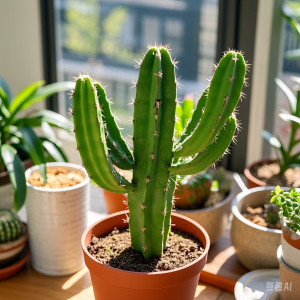
I returned from a two-month summer trip to find my once-vibrant 즙이 많은 collection in ruins. Leaves were shriveled, stems stretched awkwardly toward distant light sources, and several plants had turned to mush from unexpected rains. What was once a thriving indoor garden now looked like a succulent graveyard. But instead of giving up, I embarked on a mission to revive these resilient plants. Here’s exactly how I brought my succulents back from the brink of death—and how you can save your neglected plants too.

Aeonium Alchemy
Step 1: Assessing the Damage
The first crucial step was diagnosing each plant’s condition. Some showed classic signs of underwatering—wrinkled, papery leaves curling inward to conserve moisture. Others suffered from etiolation, their stems abnormally elongated from insufficient light. The worst cases involved rot, where overwatering (or in my case, unexpected outdoor rainfall) had turned stems black and mushy. I separated the plants into three categories: salvageable with proper care, needing propagation to save, and unfortunately beyond recovery.
Step 2: Emergency Hydration for Dehydrated Succulents
For the severely dehydrated plants, normal watering wouldn’t be enough. I employed the “water therapy” method—gently removing the plant from its soil, trimming any dead roots, and soaking the root system in room-temperature water for 30-45 minutes. This intensive rehydration helped plump up shriveled leaves within days. After soaking, I repotted them in fresh, dry succulent mix and waited a full week before watering again to prevent shock.
Step 3: Dealing with Etiolation (Stretching)
The stretched-out succulents required careful intervention. For echeverias and other rosette types, I performed “beheading”—using sterile scissors to cut off the compact top growth above the elongated stem. After letting the cutting callous for 3 days, I planted it in fresh soil to grow new roots. The remaining stem often produces new offsets, essentially giving me two plants from one. For stretched sedums and other trailing varieties, I simply pruned back the leggy growth to encourage bushier regrowth.
Step 4: Battling Rot and Salvaging What Remained
Plants showing advanced rot needed immediate surgery. I cut away all blackened or mushy tissue with a sterilized knife until only firm, healthy flesh remained. For stem rot, this often meant cutting back to the last healthy growth point. After applying cinnamon powder (a natural fungicide) to the cuts, I left the plants to dry for several days before replanting in bone-dry soil. Surprisingly, many of these severely damaged plants eventually pushed out new roots and growth.
Step 5: The Right Soil and Pot Setup for Recovery
I discovered my original soil mix retained too much moisture during the revival process. I created a grittier blend using equal parts potting soil, perlite, and coarse sand for maximum drainage. Every plant got a clean pot with drainage holes—no more decorative containers without proper airflow. For extra protection against moisture, I added a top dressing of small pebbles to keep leaves off damp soil.
Step 6: Perfecting the Watering Routine
During recovery, I implemented a strict “soak and dry” method. Instead of frequent light watering, I thoroughly drenched the soil only when plants showed slight signs of thirst (leaves just beginning to wrinkle). This encouraged deeper root growth and prevented recurring rot issues. I used a wooden skewer to check soil moisture deep in the pot before each watering.
Step 7: Gradual Light Reintroduction
After periods of neglect, succulents can’t handle sudden intense light. I placed recovering plants in bright indirect light initially, slowly increasing direct sun exposure over 3-4 weeks. A sheer curtain helped filter harsh midday rays during this adjustment period. For severely etiolated plants, I supplemented with a basic grow light positioned 12 inches above them for 12 hours daily.
Step 8: The Waiting Game—Patience Pays Off
Succulent recovery isn’t instantaneous. Some plants took 2-3 months to show significant improvement. During this time, I resisted the urge to overwater or move plants constantly. New growth eventually appeared—tiny rosettes forming on beheaded stems, roots emerging from cuttings, and once-shriveled leaves plumping back up. The transformation proved succulents’ incredible resilience.
Preventing Future Neglect Disasters
Now, I take precautions before trips: moving plants to shadier spots to reduce water needs, setting up simple wicking systems for longer absences, and grouping humidity-loving varieties separately from drought-tolerant ones. I also keep a digital calendar with watering reminders tailored to each plant’s needs.
The Most Valuable Lesson: Succulents Want to Live
This experience taught me that most succulents can recover from astonishing neglect if given proper care. Even plants that looked completely dead often had one viable leaf or stem segment that could propagate. Today, my collection is thriving again—more beautiful than before because I now understand their needs deeply.
 English
  Arabic
  Dutch
Dutch  German
  French
  Portuguese
  Spanish
  Russian
  Japanese
  Korean