

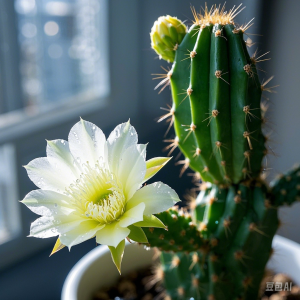
Creating an impressive succulent collection goes beyond just gathering a few random plants it is about understanding the incredible diversity within the succulent world and making smart choices that transform your space into a living museum of botanical wonders. A well-planned collection showcases different families growth forms colors and textures that make these plants so fascinating while being much more rewarding than just having a bunch of the same easy to grow succulent varieties that everyone else has.
Start with the basics by understanding the main succulent families because each offers something unique. The Crassulaceae family gives us the popular Jade Plant and various Echeveria species known for their perfect rosette shapes. Then you have the Aizoaceae family which includes incredible mimicry plants like Lithops that look exactly like stones. The Cactaceae family features iconic plants like the Golden Barrel Cactus recognized by their areoles those special structures where spines and flowers emerge. Don’t forget the Euphorbiaceae family which includes the dramatic African Milk Tree and the unusual Baseball Plant though handle these with care because their milky sap can be irritating. Including plants from different families automatically gives your collection built-in diversity and visual interest.
When planning your collection think about mixing different growth habits. Combine upright plants like 산세비에리아 with trailing varieties like some Sedum species and rosette-forming plants such as 셈퍼비붐. Add some miniature species like Haworthia cooperi with its translucent leaves that look like little gems. These 미니 다육 식물 varieties are perfect for small spaces and can fill in gaps between larger plants creating beautiful arrangements that take advantage of every inch of space. The Zebra Plant with its striking white stripes makes another excellent addition particularly because it tolerates lower light conditions than many other succulents.
Finding plants for your collection can be an adventure in itself. Local garden centers often have seasonal succulent on sale events where you can find common varieties at great prices. For more unusual specimens consider specialty growers or online retailers. Many of the plants available in the market come from large-scale production facilities particularly in China where searches using terms like succulent china or succulents china will lead you to major global suppliers. These succulent factory operations produce millions of plants annually supplying the 즙이 많은 도매 market that then distributes to retailers worldwide. For larger projects or if you are sharing with fellow enthusiasts buying 즙이 많은 벌크 quantities can be more economical.
Seeking out 희귀 즙이 많은 varieties can make your collection truly special. Plants like the ghostly Graptopetalum paraguayense or the intricately patterned Haworthia fasciata add unique character that you will not find in every collection. The Crassula muscosa with its fascinating chain-like growth habit and the Pachyphytum oviferum with its plump moonstone-like leaves are other exceptional choices for those looking beyond the ordinary. While these might require more searching and sometimes higher prices they become the highlight of any well-rounded collection. Specialty succulent supplier businesses often focus on these harder-to-find species though you might pay more than for common varieties.
Understanding care requirements becomes increasingly important as your collection grows. While most succulents need well-draining soil and careful watering the specific needs can vary significantly between species. Desert-dwelling cacti like Mammillaria need maximum sunlight and excellent drainage while forest-growing succulents like Christmas Cactus prefer more organic material in their soil and protection from intense direct sun. Grouping plants with similar needs together will make maintenance much easier and help all your plants thrive rather than just survive. Even among 쉽게 자라는 즙이 많은 식물 varieties there are important differences in their preferences for light water and soil composition.
The global succulent market continues to expand with the overall market projected to grow significantly in coming years
. Europe currently represents the largest market for these plants followed by North America and the Asia-Pacific region . Major companies like Altman Plants and COSTA FARMS dominate the commercial landscape though many smaller specialty nurseries offer unique varieties that you will not find from the large growers
. Whether you are buying from a local garden center or working with a specialized succulent company understanding this background helps you make more informed choices about where to source your plants.
Building a diverse succulent collection is a journey that does not happen overnight. It requires patience research and a willingness to learn from both successes and failures. Start with easier varieties to build your confidence then gradually incorporate more challenging species as your experience grows. Attend local plant shows like the San Jose Cactus and Succulent Society Fall Show and Sale where you can see unusual plants and get advice from experienced growers
. Join online forums or local plant clubs to connect with other enthusiasts who can share cuttings and knowledge.
The most rewarding collections tell a story about their owner’s journey through the fascinating world of succulents. They mix common plants with rare finds easy growers with challenging specimens and incorporate different textures colors and forms that create visual interest throughout the year. With careful planning and ongoing curiosity your succulent collection can become much more than just a group of plants it can be a personal expression of your passion for these remarkable organisms that have adapted to survive in some of the world’s most challenging environments.
 English
  Arabic
  Dutch
Dutch  German
  French
  Portuguese
  Spanish
  Russian
  Japanese
  Korean