

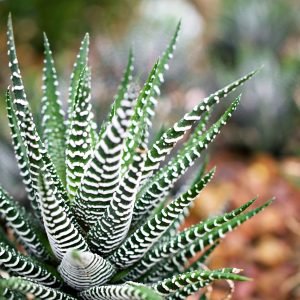
Nothing ruins a plant lover’s day faster than seeing their beloved ジューシー turning yellow. But don’t panic! That alarming color change is your plant’s way of sending an SOS signal. As a professional grower who’s rescued thousands of succulents, I’m sharing these 3 scientifically-proven fixes that can save your plant before it’s too late.
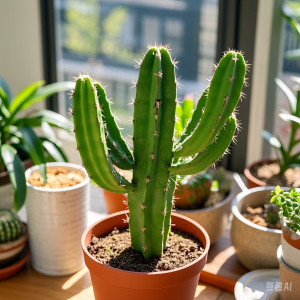
Opuntia
Diagnosis First: What Yellow Leaves Really Mean
Yellowing isn’t always a death sentence – it’s your succulent’s way of communicating. Here’s how to decode the message based on where and how the yellowing appears:
1. Bottom Leaves Turning Yellow & Soft
🔍 Likely Culprit: Overwatering (the 1 killer of succulents)
✅ Emergency Action:
• Immediately stop watering
• Remove plant from wet soil
• Trim any black/mushy roots with sterile scissors
• Repot in fresh, dry succulent mix
• Wait 7-10 days before watering again
2. Top Leaves Turning Yellow & Crispy
🔍 Likely Culprit: Sunburn or heat stress
✅ Emergency Action:
• Move plant to bright indirect light immediately
• Use 40% shade cloth if outdoors
• Water early morning to prevent leaf scorch
• Remove severely damaged leaves to prevent infection
3. Random Yellow Spots with Webbing
🔍 Likely Culprit: Spider mite infestation
✅ Emergency Action:
• Isolate plant immediately
• Spray with 70% isopropyl alcohol solution
• Wipe leaves with neem oil solution
• Repeat treatment every 3 days for 2 weeks
The Botanist-Approved Recovery Protocol
After emergency treatment, follow this 3-week succulent rehab plan:
Week 1:
• No water regardless of soil dryness
• Keep in stable temperature (65-75°F)
• Monitor for spreading discoloration
Week 2:
• Introduce minimal water (1-2 tsp around stem)
• Begin morning sun exposure (1-2 hours daily)
• Apply diluted succulent fertilizer (1/4 strength)
Week 3:
• Resume normal watering schedule
• Gradually increase sunlight exposure
• Watch for new healthy growth
Prevention Better Than Cure: 5 Pro Tips
1. The Chopstick Test: Insert wooden chopstick – if soil sticks, don’t water
2. Seasons Matter: Reduce watering frequency by 50% in winter
3. Pot Wisdom: Always use containers with drainage holes
4. Soil Science: Mix in 30% perlite for better aeration
5. Light Meter: Download a free light meter app to check intensity
When to Accept Defeat
Sometimes, despite our best efforts, a succulent can’t be saved. If you see:
• Black stems that feel hollow
• White mold in the soil
• Leaves that disintegrate when touched
…it’s time to propagate any healthy leaves and start anew.
Success Story: How I Saved My 10-Year-Old Echeveria
Last summer, my prized Echeveria ‘Perle von Nurnberg’ developed sudden yellow patches. By:
1. Immediately isolating it
2. Discovering tiny spider mites under leaves
3. Applying alcohol treatment for 14 days
…not only did it recover, but it produced 12 healthy pups that season!
Your Turn to Rescue
Now that you’re equipped with these botanist-backed solutions, that yellowing succulent still has hope. Remember – plants want to live, and with your quick action, they’ll reward you with new growth.
 English
  Arabic
  Dutch
Dutch  German
  French
  Portuguese
  Spanish
  Russian
  Japanese
  Korean