

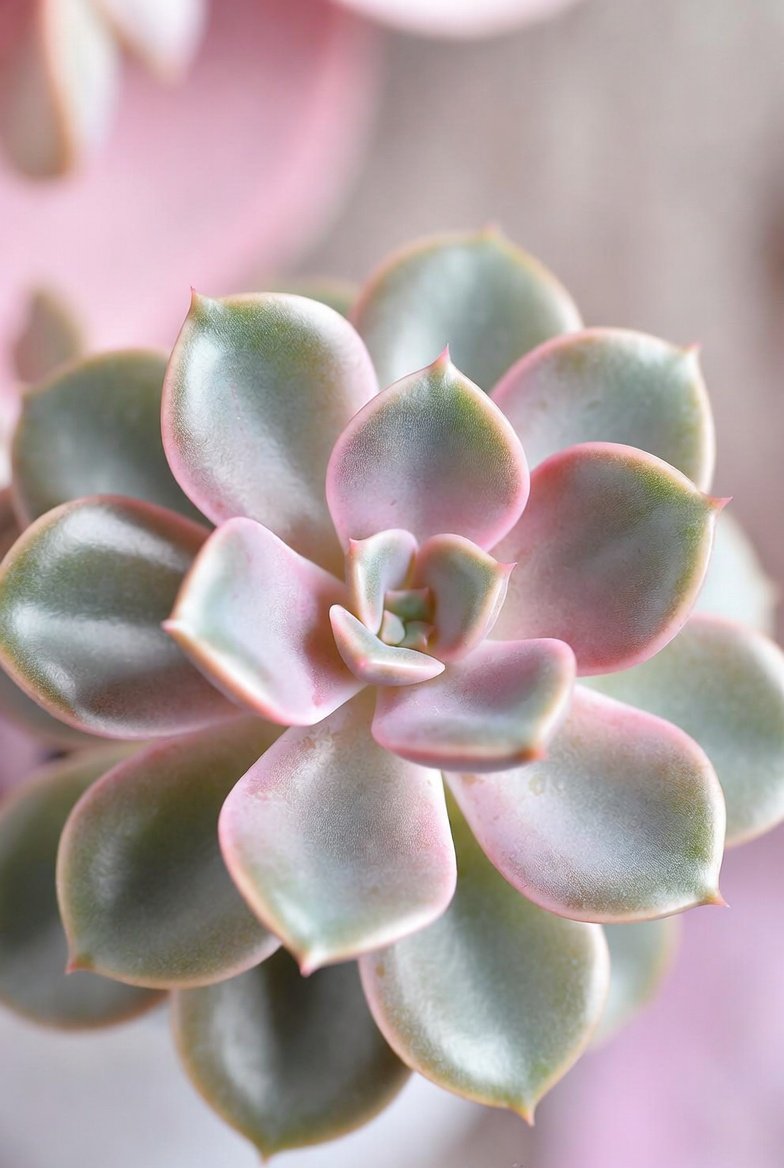
- 1. Overwatering: The #1 Killer of Succulents
- 2. Underwatering Can Also Be a Problem
- 3. Insufficient Sunlight Causes Weak Growth
- 4. Poor Drainage Destroys Roots
- 5. Pots Without Drainage Holes
- 6. Temperature Stress and Frost Damage
- 7. Too Much Humidity
- 8. Pest Infestations
- 9. Overcrowding and Poor Air Circulation
- 10. Wrong Expectations About “Low Maintenance”
- Seasonal Succulent Care Tips
- How to Save a Dying Succulent
- Best Beginner Succulents
- 最終的な感想
多肉植物 are often marketed as “unkillable” plants. They appear in modern homes, offices, cafés, and gardens because of their beautiful shapes, low-maintenance reputation, and ability to survive in harsh environments. Yet many plant lovers still ask the same frustrating question: Why do my succulents keep dying?
At CNGarden, we frequently hear from beginners who feel confused after watching healthy-looking succulents suddenly turn yellow, mushy, stretched, or dry. The truth is that succulents are easy to care for only when their natural environment is understood correctly. Most problems happen because indoor conditions are very different from the deserts and dry climates where succulents naturally grow.
This comprehensive guide explains the most common reasons succulents die, how to identify warning signs early, and what you can do to keep your plants healthy for years.

Understanding Succulents: Why They Are Different
Succulents are plants that store water in their leaves, stems, or roots. This adaptation allows them to survive long periods without rain. Popular succulent varieties include:
- エケベリア
- ハオルチア
- Jade Plant
- Aloe Vera
- Sedum
Because they evolved in dry regions, succulents prefer:
- Bright light
- Fast-draining soil
- Infrequent watering
- Good airflow
- Warm temperatures
When these conditions are ignored, problems begin quickly.
1. Overwatering: The #1 Killer of Succulents
If your succulent is dying, overwatering is the most likely reason.
Many people water succulents the same way they water tropical houseplants. However, succulents store moisture internally and do not need constant watering. Excess moisture causes roots to suffocate and rot.
Signs of Overwatered Succulents
Watch for these symptoms:
- Yellow or transparent leaves
- Mushy or soft stems
- Leaves falling off easily
- Black spots
- Rotting smell
- Wet soil for many days
Root rot often starts below the surface before visible damage appears.
How to Fix Overwatering
- Stop watering immediately.
- Remove the plant from wet soil.
- Cut away black or mushy roots.
- Let the plant dry for 1–2 days.
- Repot using dry succulent soil.
Always wait until the soil is completely dry before watering again.
2. Underwatering Can Also Be a Problem
Although succulents tolerate drought, they still need water occasionally.
A severely dehydrated succulent may shrivel and lose its healthy appearance.
Signs of Underwatered Succulents
- Wrinkled leaves
- Thin or curled foliage
- Dry leaf tips
- Slow growth
- Soil pulling away from the pot edges
Unlike overwatered plants, underwatered succulents usually feel dry rather than soft.
Proper Watering Method
The best technique is called “soak and dry.”
- Water thoroughly until water drains from the bottom.
- Allow soil to dry completely before watering again.
- Adjust watering frequency based on season, temperature, and humidity.
Most indoor succulents only need watering every 2–3 weeks.
3. Insufficient Sunlight Causes Weak Growth
Succulents love sunlight. Without enough light, they become weak and stretched.
This condition is called etiolation.
Symptoms of Low Light
- Long stretched stems
- Wide gaps between leaves
- Leaning toward windows
- Pale green color
- Loss of compact shape
Many indoor spaces simply do not provide enough natural light.
How Much Light Do Succulents Need?
Most succulents prefer:
- 4–6 hours of bright indirect light
- Or several hours of direct morning sun
South-facing windows are often best indoors.
If natural light is limited, consider grow lights.
4. Poor Drainage Destroys Roots
Even perfect watering habits cannot save a succulent planted in poor soil.
Regular garden soil or dense potting mix traps moisture around roots.
Best Soil for Succulents
Succulent soil should be:
- Loose
- Airy
- Fast-draining
- Sandy or gritty
Good ingredients include:
- Perlite
- Pumice
- Coarse sand
- Lava rock
Avoid heavy moisture-retaining mixes.
5. Pots Without Drainage Holes
Beautiful decorative pots often become succulent death traps.
Without drainage holes, excess water collects at the bottom and causes root rot.
Best Pot Types
Recommended materials:
- Terracotta
- Clay
- Ceramic with drainage
- Unglazed pots
Terracotta is especially useful because it absorbs excess moisture.
If you use decorative containers, place succulents in a removable nursery pot inside.
6. Temperature Stress and Frost Damage
Many succulents originate from warm climates and dislike extreme cold.
Signs of Cold Damage
- Mushy leaves
- Dark translucent spots
- Sudden collapse
- Water-soaked appearance
Most common succulents prefer temperatures between:
- 60°F–80°F (15°C–27°C)
Frost can kill sensitive species overnight.
Heat Stress
Extreme summer heat can also cause:
- Sunburn
- Brown patches
- Dry crispy leaves
Introduce outdoor sunlight gradually.
7. Too Much Humidity
Succulents prefer dry air. High humidity prevents soil from drying properly and encourages fungal problems.
Bathrooms and poorly ventilated rooms are often unsuitable.
Signs of Humidity Problems
- Moldy soil
- Rotting leaves
- Fungus gnats
- Persistent moisture
Improve airflow with:
- Fans
- Open windows
- Proper spacing between plants
8. Pest Infestations
Although generally resilient, succulents can attract pests.
Common Succulent Pests
Mealybugs
Small white cotton-like insects that suck plant sap.
Spider Mites
Tiny pests that create fine webbing.
Fungus Gnats
Usually caused by overly wet soil.
Aphids
Soft-bodied insects feeding on new growth.
Treatment Options
- Neem oil
- Isopropyl alcohol sprays
- Insecticidal soap
- Improved airflow and dryness
Always isolate infected plants quickly.
9. Overcrowding and Poor Air Circulation
Succulents need airflow around their leaves and roots.
Overcrowded arrangements trap moisture and increase disease risk.
This is common in tightly packed gift arrangements and decorative terrariums.
Better Arrangement Practices
- Leave spacing between plants
- Avoid sealed glass containers
- Rotate plants regularly
Healthy airflow reduces fungal infections dramatically.
10. Wrong Expectations About “Low Maintenance”
One major misconception is that succulents thrive on neglect alone.
In reality, succulents need the right balance of care.
Problems occur when owners:
- Water randomly
- Keep plants in dark rooms
- Ignore seasonal changes
- Use decorative but impractical containers
Succulents are not immortal. They simply have different needs than traditional houseplants.
Seasonal Succulent Care Tips
Spring and Summer
This is the active growing season.
- Water slightly more often
- Provide bright light
- Fertilize lightly if needed
Fall and Winter
Growth slows down significantly.
- Reduce watering
- Avoid cold drafts
- Increase indoor light exposure
Many people accidentally overwater during winter dormancy.
How to Save a Dying Succulent
If your succulent still has healthy tissue, recovery is possible.
Step-by-Step Rescue Process
1. Inspect the Roots
Remove the plant carefully and examine for rot.
2. Trim Damaged Areas
Use clean scissors to remove black or mushy sections.
3. Let the Plant Callous
Allow cuts to dry before replanting.
4. Repot in Dry Succulent Soil
Never reuse infected wet soil.
5. Delay Watering
Wait several days before watering again.
Patience is important during recovery.
Best Beginner Succulents
Some succulents are easier for beginners than others.
Reliable choices include:
- Zebra Haworthia
- Burro’s Tail
- Jade Plant
- Snake Plant
- Panda Plant
These varieties tolerate beginner mistakes better than delicate rare species.
最終的な感想
Succulents die for many reasons, but most problems come down to understanding their natural environment. Overwatering, poor lighting, inadequate drainage, and humidity are the most common causes.
The good news is that succulents usually provide warning signs before dying completely. Once you learn how to read those signs, caring for them becomes much easier.
At CNGarden, we believe successful succulent care is about balance rather than constant attention. With proper light, careful watering, and well-draining soil, succulents can thrive beautifully indoors and outdoors for many years.
Whether you are a beginner starting your first small collection or an experienced plant enthusiast building a decorative succulent garden, understanding these core care principles will help your plants stay healthy, colorful, and vibrant.
 English
  Arabic
  Dutch
Dutch  German
  French
  Portuguese
  Spanish
  Russian
  Japanese
  Korean