

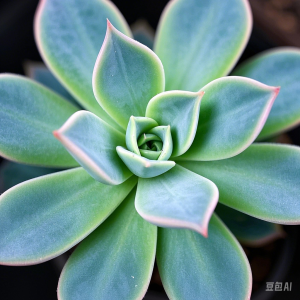
In our fast-paced world where instant gratification dominates, cultivating slow-growing 多肉植物 teaches invaluable lessons about patience and appreciation for gradual progress. While many plants race upward, certain succulent varieties take years to reach maturity, revealing their beauty incrementally. My journey with these deliberate growers began accidentally when I purchased what I thought was a “dud” succulent – a Haworthia cooperi that seemed frozen in time. Over three years of careful observation, this unassuming plant transformed my perspective on gardening and life itself.

ジューシー
Slow-growing succulents like Lithops, Haworthias, and some cacti species develop at nearly geological speeds. A single leaf may take months to fully form. Flowers appear only after years of cultivation. At first, this frustrated me. I wanted visible progress between waterings, dramatic changes to photograph and share. But gradually, I began noticing subtle transformations – a slightly denser rosette here, a faint new stripe of color there. These micro-changes became my new metric for success.
The advantages of slow succulents became apparent as my collection grew. They rarely outgrow their containers, making them perfect for long-term displays. Their compact size allows impressive collections in small spaces. Most surprisingly, their water needs are even more forgiving than faster-growing varieties – some can go months between drinks without stress. This makes them ideal for frequent travelers or those prone to overcare.
My most rewarding experience came with a Lophophora williamsii (peyote) cactus, legally obtained from a specialty nursery. This legendary slow-grower adds perhaps a millimeter of growth per year under ideal conditions. After five years of care, my specimen remains smaller than a golf ball – yet each new tuft of hairs feels like a monumental achievement. The plant’s glacial pace forces me to be present, to appreciate its current form rather than always anticipating future growth.
Propagating slow succulents requires particular patience. While an Echeveria leaf might produce a new plant in weeks, a Haworthia offset could take a full year to develop adequate roots for separation. I’ve learned to mark propagation dates on pots and resist the urge to check progress too frequently. The payoff comes when, after eighteen months of waiting, a tiny Gasteria pup finally shows independent growth. These victories feel earned rather than given.
Seasonal rhythms take on heightened importance with slow growers. While fast succulents may complete multiple growth cycles in a year, slow species often have one brief annual growth period – typically spring – followed by months of apparent inactivity. Learning these natural rhythms prevents overwatering during dormancy and provides realistic expectations. I keep detailed journals tracking each plant’s active phases, which vary surprisingly between genera.
The design possibilities with slow succulents are underappreciated. Their stability makes them perfect for intricate living mosaics or long-term terrarium compositions. I created a “time capsule” dish garden featuring exclusively slow-growing species, knowing the arrangement will maintain its proportions for years. Unlike faster plants that quickly become leggy and require constant pruning, these specimens hold their designed positions with minimal intervention.
Perhaps the greatest lesson from slow succulents is the value of delayed gratification in our immediate-result culture. Each tiny new leaf becomes cause for celebration. A first bloom after seven years of care feels like a personal triumph. These plants can’t be rushed, and their stubborn pace has taught me to apply similar patience to other areas of life. My collection now balances fast and slow growers – the quick ones satisfy my need for visible progress, while the slow ones ground me in mindfulness.
For beginners frustrated by lack of obvious growth, I recommend starting with moderately slow varieties like Gasteria or some Aloes before progressing to the extremely slow growers. Keep a monthly photo journal to document subtle changes invisible day-to-day. Most importantly, learn to appreciate each plant’s current perfection rather than constantly anticipating its future form. In doing so, you’ll discover the profound joy found not in the destination, but in the deliberate journey of growth itself.
Have you cultivated exceptionally slow-growing succulents? Share your experiences and tips for appreciating their gradual beauty!
 English
  Arabic
  Dutch
Dutch  German
  French
  Portuguese
  Spanish
  Russian
  Japanese
  Korean