

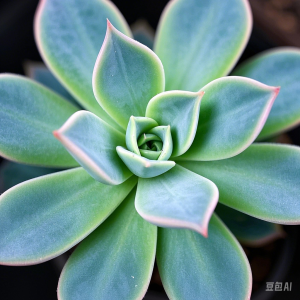
Let me ask you something. When was the last time you walked into a space and thought, “Wow, these plants look perfect”? I mean too perfect? Chances are, you were looking at 人工多肉植物. And I get it—some people still turn up their noses at the idea. But after 18 years running a commercial plant design firm, I’ve learned something: these aren’t your grandma’s plastic ferns. Modern artificial succulent plants are solving real problems in spaces where real plants just can’t cut it.
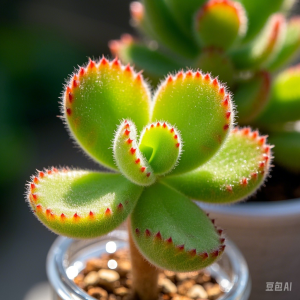
多肉植物
Corporate Offices: The Numbers Don’t Lie
I was consulting for a tech company last year—you’d know the name—and their facilities manager showed me the budget. They were spending $8,000 a month on plant maintenance. $8,000! For plants that were half-dead because their open-floor office had terrible light. We switched them to commercial-grade artificial succulents, and not only did they save 90% of that budget, but employees actually complimented how “healthy” the plants looked.
That’s the thing about artificial succulent arrangements in offices. They provide the green, calming environment studies show boosts productivity, but they do it without the drama. No more “who forgot to water the plants?” emails. No more replacing specimens that didn’t survive the weekend. When companies order artificial succulents bulk, they’re buying consistency. A large artificial succulent installation in a corporate lobby becomes a permanent part of the brand identity, always camera-ready for that LinkedIn post about company culture.
Healthcare: Where Good Intentions Meet Practical Reality
My sister’s a nurse, and she used to complain about the dying plants in her hospital’s waiting area. “We want it to feel welcoming,” she’d say, “but between shifts, nobody has time to care for plants.” Then her hospital installed hygienic artificial succulent arrangements, and the complaints stopped.
In medical settings, this isn’t about aesthetics—it’s about psychology and practicality. Patients benefit from seeing greenery; it lowers stress. But real plants can introduce mold spores, require chemical fertilizers, and create tripping hazards with watering. Medical-grade artificial succulents solve this perfectly. They’re wipe-clean, hypoallergenic, and always look serene. I’ve designed installations for children’s hospitals where mini artificial succulents at a child’s eye level become comforting companions during long stays.
The Hospitality Revolution
Here’s a story from a hotel GM in Miami: “We had these beautiful live succulents in our rooftop bar. Looked amazing in the brochure. Then one rainy season, they all rotted. Replaced them, and the same thing happened.” They switched to weather-resistant artificial succulents, and three years later, the installation still looks brand new.
Hotels and restaurants face unique challenges. Their spaces need to look impeccable 24/7, through season changes, in varying light conditions. Lifelike artificial succulents deliver that. A fine-dining restaurant can have artificial succulent centerpieces that don’t drop leaves in someone’s $200 meal. A boutique hotel can maintain its signature fake succulent wall art that guests Instagram constantly. The reliability factor is everything.
Events and Weddings: Changing the Game
A wedding planner client of mine made an interesting shift. She used to stress about floral deliveries timing perfectly with the ceremony. Now, she creates wedding artificial succulent arrangements weeks in advance. “The brides love it,” she told me. “They get to keep their bouquet forever, and I’m not scrambling at the last minute.”
The economics are compelling. A artificial succulent bouquet might cost slightly more upfront than fresh flowers, but it becomes an heirloom. For corporate events, modular artificial succulent arrangements can be reused for years, dramatically reducing waste and cost. They don’t wilt under hot lights or during outdoor summer events.
Retail: Always Open, Always Perfect
Walk into any Apple Store. Notice the clean, minimalist aesthetic? Those subtle green accents are often retail-ready artificial succulents. Store designers choose them because they require zero maintenance and always support the brand’s image of perfection. Real plants have bad days—they droop, they yellow, they drop leaves. In retail, where every detail influences buying decisions, that inconsistency is unacceptable.
Unexpected Places You’ll Find Them
The applications keep surprising me:
-
Schools using child-safe artificial succulents for science classrooms where real plants might trigger allergies
-
Libraries installing dust-resistant artificial succulents that can be cleaned with archival-safe materials
-
Corporate campuses using UV-stabilized artificial succulents in sunny atriums where real plants would scorch
-
Senior living facilities placing non-toxic artificial plants in memory care units where soil ingestion could be a risk
The Quality Conversation
Here’s what most people miss: not all 人工多肉植物 are equal. The cheap ones look plastic and fade quickly. Professional-grade plants are different. We source from artificial succulent wholesale manufacturers who use advanced materials—some even have realistic “farina” (that powdery coating real succulents get). The best ones feel real to the touch and have natural color variations.
When I specify plants for a client, I’m thinking about:
-
Light exposure (will they fade?)
-
Traffic (will they get touched?)
-
Cleaning requirements
-
Fire safety ratings
-
Long-term durability
Why This Matters Now
We’re living in a time where people want greenery in their spaces but often lack the conditions or time to maintain living plants. Artificial succulents bridge that gap. They allow us to bring the psychological benefits of nature into windowless conference rooms, sterile medical facilities, and low-maintenance commercial spaces.
They’re not trying to fool anyone into thinking they’re real. They’re honest solutions for difficult environments. And in a world where sustainability matters, a well-made artificial succulent plant that lasts ten years has a different environmental impact than constantly replacing dead plants.
So next time you see perfect succulents where plants shouldn’t logically survive, don’t think “fake.” Think “smart design solution.” Because that’s exactly what they are.
 English
  Arabic
  Dutch
Dutch  German
  French
  Portuguese
  Spanish
  Russian
  Japanese
  Korean