

- The Number One Rule of Succulent Care
- Getting Light Right
- Watering the Right Way
- Soil and Pots: The Foundation
- Temperature and Environment
- Fertilizing: Less Is More
- Propagation: Make More Plants for Free
- Common Problems and How to Fix Them
- Seasonal Succulent Care
- Styling Succulents in Your Home
- Why CNGarden?
- Conclusion
You have seen them everywhere. Those perfect little rosettes in cute pots on Instagram. The lush arrangements on office desks. The colorful displays in garden centers. Succulents are everywhere for a reason. They are beautiful, unique, and seem so easy to grow.

多肉植物
But then you brought one home. And things did not go as planned. Maybe it stretched out into an ugly, leggy mess. Maybe the leaves turned yellow and fell off. Maybe it just slowly shriveled away despite your best efforts.
Here is the thing. 多肉植物の手入れ is not hard. It is just different. Once you understand what these desert plants actually need, keeping them alive becomes almost effortless. At CNGarden, we are passionate about helping plant lovers succeed. This guide will walk you through everything you need to know about how to care for succulent plants. And for those spaces where living plants just will not survive, CNGarden also offers a stunning collection of 人工植物 that bring the beauty of nature indoors without any maintenance required.
The Number One Rule of Succulent Care
Here it is. The most important thing you will ever learn about 多肉植物の世話. Succulents store water in their leaves. That is why they look plump. That is their survival mechanism for living in deserts.
This means they do not need constant watering. In fact, they hate it. More succulents die from too much water than from too little. If you remember nothing else from this guide, remember this. When in doubt, do not water. Wait another day. Wait another week. Your succulent will be fine.
Getting Light Right
If you want your succulents to look like the ones on Instagram, you need to give them enough light. Period.
The Ideal Spot
A south-facing window is your best friend. It provides the most hours of direct light. East-facing windows are good too, with gentle morning light. West-facing windows can work but watch out for hot afternoon light. North-facing windows are usually too dark.
What Happens with Too Little Light
Your succulent will start to stretch. The stem gets longer. The leaves spread apart. This is called etiolation. Your plant is desperately reaching for more light. Once this happens, the stretched part will never go back to normal. You can cut off the top and replant it, but it is better to prevent it.
What Happens with Too Much Light
Succulents can get sunburned. If you move a plant from a dark spot straight into full sun, the leaves can turn brown and crispy. Always take a week or two to gradually introduce your succulent to brighter light.
No Natural Light?
If you do not have a sunny window, buy a grow light. Full-spectrum LED lights are inexpensive and work great. Place them 6 to 12 inches above your succulents and run them for 12 to 14 hours per day.
For homes without good natural light, keeping succulents healthy is very difficult. That is why many people choose 観葉植物 from CNGarden for those dark corners. They look just as good without needing any sun at all.
Watering the Right Way
Let us talk about watering. Because this is where most people mess up how to care for succulent plants.
The Soak and Dry Method
Do not water on a schedule. Water based on how dry the soil is.
-
Stick your finger into the soil. If it feels wet at all, wait.
-
Only water when the soil is completely dry all the way through.
-
When you water, pour until water runs out of the drainage holes. This is called deep watering.
-
Let the pot drain completely. Never let your succulent sit in a saucer of water.
How Often, Really
In summer, during the active growing season, you might water every 7 to 14 days. In winter, when the plant is dormant, you might water only once a month. It depends on your home’s temperature, humidity, and light. Always check the soil first.
Signs of Watering Problems
-
Underwatered: Leaves look wrinkled and shriveled. Give it a good drink, and it should plump back up in a day or two.
-
Overwatered: Leaves turn yellow and feel mushy. They might fall off easily. Stop watering immediately. You may need to repot into dry soil.
If watering sounds like too much hassle for certain areas of your home, CNGarden has a great selection of 造花 that never need a single drop of water.
Soil and Pots: The Foundation
You cannot just use regular potting soil for succulents. It holds too much water. Your succulent will rot.
The Right Soil Mix
Succulents need soil that drains fast. You can buy cactus and succulent soil at any garden center. But even that can be too rich. Mix it with extra perlite or pumice. A good ratio is half succulent soil and half perlite. This creates a gritty, fast-draining mix that succulents love.
The Right Pot
Drainage holes are essential. Do not plant a succulent in a pot without holes. Water will collect at the bottom, and your plant will die. If you love a decorative pot that has no holes, plant your succulent in a cheap plastic nursery pot with holes, then put that inside the decorative pot. Take it out to water, then put it back.
Terracotta pots are great for beginners. They are porous, so the soil dries out faster. This gives you more room for error if you tend to water too much.
For those who love the look of succulents in beautiful pots but do not want to deal with soil at all, CNGarden offers ready-to-display 人工植物 that come in a variety of styles.
Temperature and Environment
Succulents like it warm. They prefer temperatures between 60 and 80 degrees Fahrenheit. Most succulents cannot handle freezing weather. If you live somewhere with cold winters, bring your outdoor succulents inside before the first frost.
Good airflow is also important. Succulents do not like stagnant, humid air. It encourages rot and fungus. Make sure there is space between your plants so air can circulate.
Fertilizing: Less Is More
Succulents are not heavy feeders. They grow just fine in poor soil. But a little fertilizer during the growing season can help them look their best.
Use a balanced, water-soluble fertilizer. Dilute it to half strength. Apply once a month in spring and summer. Do not fertilize in fall and winter when the plant is resting. Too much fertilizer can cause weak, leggy growth.
Propagation: Make More Plants for Free
One of the coolest things about succulents is how easy they are to propagate. You can turn one plant into ten without spending any money.
Leaf Propagation
This works for many succulents like Echeverias and Sedums.
-
Gently twist a healthy leaf off the stem. Make sure you get a clean break.
-
Let the leaf sit out for a few days until the broken end dries and calluses over.
-
Lay it on top of dry soil. Do not bury it.
-
In a few weeks, you will see tiny roots and a baby rosette forming. Mist it lightly every few days.
Stem Cuttings
If your succulent has gotten leggy, cut off the top rosette with a few inches of stem. Let it callus over for a few days. Then stick the stem into dry soil. Wait a week before watering. The old stem will often grow new babies too.
Offsets
Many succulents grow little baby plants around their base. These are called offsets or pups. Once they are big enough, you can gently separate them from the mother plant and pot them up on their own.
If propagation sounds fun but you want instant results, CNGarden has a wide variety of 造花 that look like fully mature succulents with no waiting time.
Common Problems and How to Fix Them
Even good plant parents run into issues sometimes. Here is what to look for.
Mealybugs
These are small white bugs that look like bits of cotton. They hide in the crevices of leaves. Dab them with a cotton swab dipped in rubbing alcohol. Check your plant every few days until they are gone.
Root Rot
This happens from overwatering. The leaves turn yellow and mushy. The soil might smell bad. If you catch it early, take the plant out of the pot, cut off any black or mushy roots, and repot in fresh, dry soil. Do not water for at least a week.
Fungus
Black spots or white powder on the leaves usually means fungus. This comes from too much moisture. Improve airflow, water less, and consider a fungicide.
Edema
This appears as corky, brown scars on leaves, often caused by inconsistent watering. While unsightly, it does not typically harm the plant. Sticking to the soak-and-dry method will prevent future scarring.
If dealing with pests and rot sounds exhausting, CNGarden offers a worry-free solution. Our 人工植物 never get bugs or rot. They stay perfect forever.
Seasonal Succulent Care
Your 多肉植物の世話 routine should change with the seasons.
Spring and Summer (Growing Season)
-
More light and water
-
Water every 7 to 14 days
-
Fertilize once a month
-
Best time to propagate
-
Gradually move plants outside if desired
Fall and Winter (Dormant Season)
-
Less water
-
Water only once a month or even less
-
Do not fertilize
-
Bring outdoor plants inside before frost
-
Lower temperatures are fine as long as it does not freeze
Styling Succulents in Your Home
Succulents are not just easy to care for. They are also beautiful to look at.
Grouped Arrangements
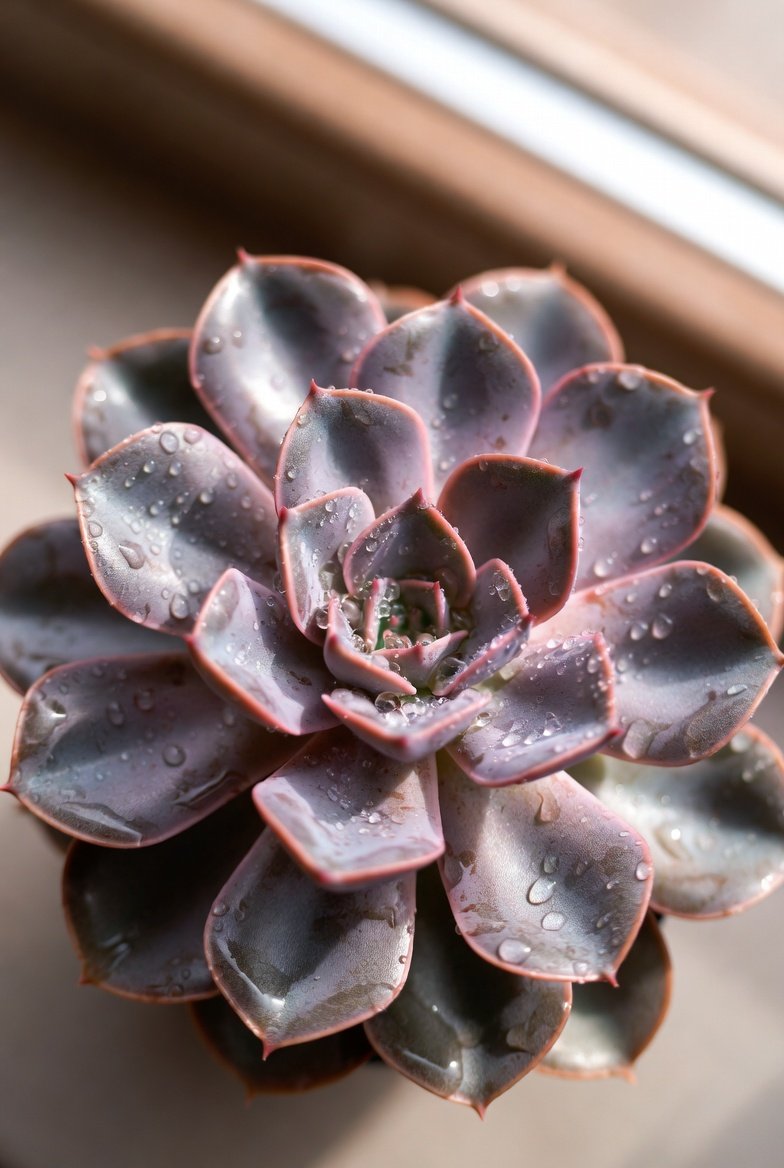
Plant several different succulents together in one shallow bowl. Mix colors, shapes, and textures. The contrast between a dark purple Echeveria and a bright green Sedum is striking.
Open Terrariums
Open terrariums work well for succulents. Do not use closed terrariums. They trap too much moisture. Use a wide glass container with a layer of rocks at the bottom for drainage.
Bookshelf Accents
Small succulents in simple pots are perfect for bookshelves. They add life and color without taking up much space.
Outdoor Containers
In warm weather, succulents love being outside. Put them on a patio table or balcony railing. Just bring them in before it freezes.
If you love the look of succulents but do not have the right light or temperature for them, CNGarden has a full collection of 人工植物 that work anywhere.
Why CNGarden?
At CNGarden, we know that not everyone has the time, light, or luck to keep real succulents alive. And that is okay. You should still get to enjoy beautiful greenery in your home.
We offer high-quality living succulents and supplies for those who want to grow their own. And we offer stunning 人工植物 for those who want the look without the work. Every product we sell is tested for quality and durability.
Conclusion
多肉植物の手入れ takes a little practice. But once you understand their needs—lots of light, little water, fast-draining soil—you will find that they are truly some of the easiest plants to keep alive.
But here is the thing. Not every room in your home is suited for living plants. Dark hallways, windowless bathrooms, and busy schedules can make plant care difficult. For those spaces, CNGarden has the perfect solution. Our 人工植物 and 造花 bring the beauty of nature anywhere you want it.
Visit CNGarden today. Whether you choose living succulents or our high-quality artificial options, we will help you create a home that feels fresh, green, and alive.
 English
  Arabic
  Dutch
Dutch  German
  French
  Portuguese
  Spanish
  Russian
  Japanese
  Korean