

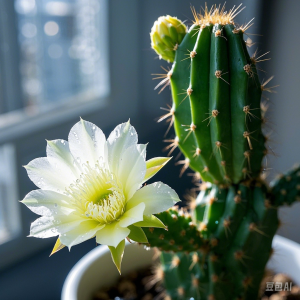
Creating a succulent wall is a fantastic way to bring a piece of living art into your home or garden. It’s a project that combines creativity, gardening, and a bit of DIY spirit. Whether you’re a seasoned gardener or a complete beginner, building a vertical garden filled with these resilient plants can be an incredibly rewarding experience. One of the best things about succulents is their forgiving nature; they are generally easy to grow succulent varieties that require minimal maintenance, making them perfect for such a project. The first step in this process is sourcing your plants. This is where the modern global market becomes your best friend. You are no longer limited to the selection at your local nursery, though that is a fine place to start. For a large project like a wall, you might need to buy succulent bulk quantities to ensure you have enough plants to create a dense, lush appearance. This is where finding a reliable succulent wholesale supplier becomes crucial. Many people look towards succulent china or succulents china producers because China has become a major hub for horticulture. There are numerous succulent company options and large-scale succulent factory operations, particularly in regions like China, that produce millions of plants annually for the global market. This means you can often find a great succulent supplier offering a wide range of common and rare succulent varieties at very competitive prices. Keep an eye out for a succulent on sale event from these wholesalers, as you can often get incredible deals, especially if you are buying in large volume.
Planning your wall is the next critical phase. You need to consider the structure. What will you build your living wall on? Some people get incredibly creative, even using things like Lego succulent structures. That’s right, you can use Lego bricks to build a sturdy, modular, and customizable frame for your small succulent wall, especially if you are working with mini succulent types. It’s a fun project that combines two great hobbies. For larger walls, a wooden shadow box or a metal frame with a mesh backing is more traditional. The key is to create a container that can hold soil and withstand the weight of the plants and water when mounted vertically. The frame needs to be deep enough to allow the roots of your plants to establish themselves, but not so heavy that it becomes dangerous to hang. After your frame is built, you need to line it. The best method is to use a two-layer system: a backing of landscape fabric to hold the soil in, followed by a layer of sphagnum moss or a specialized coir liner, which helps retain moisture and provides a medium for the roots to grip onto. Then, you fill the frame with a very well-draining soil mix. Succulents absolutely despise wet feet, so a standard potting soil won’t do. You need a cactus or succulent-specific mix, or you can make your own by combining regular potting soil with plenty of perlite, pumice, or coarse sand. This ensures that water drains quickly, preventing root rot, which is the number one killer of these plants.
Now for the most enjoyable part: selecting and arranging your plants. This is where your personal taste comes into play. Do you want a monochromatic green wall for a calm, serene effect? Or a vibrant, colorful tapestry of purples, reds, and blues? The variety available is astounding. For a cohesive look, you might choose to work primarily with easy to grow succulent types like Echeverias, Sedums, and Sempervivums (Hens and Chicks). These are widely available, hardy, and come in many beautiful forms. But to make your wall truly unique, consider incorporating a few rare succulent specimens. Perhaps a variegated String of Pearls (Senecio rowleyanus), a beautiful Echeveria ‘Perle von Nurnberg’, or a quirky Lithops (living stone). Sourcing these rarer plants might require a more specialized succulent supplier, but they can serve as stunning focal points amidst more common varieties. Don’t forget the charm of mini succulent plants. Their small size allows for intricate patterns and lets you fit more variety into a limited space. When arranging your plants, lay them out on a flat surface first. Play with the design until you are happy. Group plants with similar light and water needs together. Remember that the plants will grow, so allow a little space for them to fill in. Once your design is set, it’s time to plant. Wearing gloves, make small holes in the soil-filled frame and gently tuck the roots of each plant into the hole. You can use small pieces of wire or toothpicks to secure larger plants in place until their roots take hold. Start planting from the bottom of the frame and work your way up to prevent soil from falling on the plants below.
After the intense work of planting, the ongoing care is refreshingly simple. The most common mistake is overwatering. Your succulent wall will need far less water than a traditional garden. Before watering, check the soil moisture. It should be completely dry to the touch. When you do water, do it thoroughly. The best way is to take the entire frame down and lay it flat on the ground. Water it deeply until water runs out of the drainage holes (you did remember to add drainage, right?). Then, let it drain completely before hanging it back up. This might only be necessary every two to four weeks, depending on your climate and the season. Succulents need less water in the winter when they are dormant. In terms of light, most succulents crave bright, indirect sunlight. A few hours of direct morning sun is beneficial, but intense afternoon sun beating down on a vertical surface can scorch the leaves. Choose a location that gets plenty of light but is protected from the harshest rays. A covered patio or a bright wall indoors near a south-facing window is ideal. Over time, your plants will grow and some may even outcompete others. Don’t be afraid to prune and trim to maintain the shape and design of your wall. This is also an opportunity for propagation; many succulent leaves and cuttings can be easily rooted to create new plants for future projects.
The world of succulents is vast and interconnected. The rise of global trade means that a succulent company based in North America or Europe might actually be sourcing its stock from a massive succulent factory in China. There’s nothing wrong with this; it often makes plants more accessible and affordable for everyone. When looking for a succulent wholesale partner, do your research. Read reviews, ask about their phytosanitary certifications if importing, and understand their minimum order quantities. A reputable succulent supplier will provide healthy, well-rooted plants that are ready to thrive in your new vertical garden. Building a succulent wall is more than just a gardening project; it’s a statement. It’s a living, breathing piece of art that reflects your personality and brings a touch of nature’s resilient beauty into your daily life. It’s a conversation starter and a testament to the fact that with the right materials—whether sourced from a local sale or a wholesale dealer across the globe—and a bit of effort, you can create something truly extraordinary. So roll up your sleeves, find your plants, and start building your own little ecosystem on the wall.
 English
  Arabic
  Dutch
Dutch  German
  French
  Portuguese
  Spanish
  Russian
  Japanese
  Korean