


- Understanding Succulent Basics
- The Golden Rule: How to Water Succulents
- Light Requirements: Finding the Perfect Spot
- Soil and Drainage: Building a Strong Foundation
- Choosing the Right Container
- Fertilizing for Optimal Growth
- Propagation: Expanding Your Collection
- Common Pests and Problems
- Conclusion
Succulents are drought-tolerant plants that store water in their fleshy leaves, stems, or roots, allowing them to survive in arid environments. They belong to over 60 plant families, including Crassulaceae (like stonecrops) and Cactaceae (cacti). Remember, all cacti are succulents, but not all succulents are cacti. We often classify them into soft succulents, perfect for indoor settings, and hardy succulents that can withstand freezing temperatures outdoors. Knowing your succulent type is the first step in effective plant care.
Understanding Succulent Basics
To master how to care for succulents, start with their origins. Most succulents hail from dry regions like deserts in Africa, Mexico, and South America, where they adapt to infrequent rainfall and intense sun. This background explains their preference for well-draining conditions and minimal watering. Common varieties include Aloe Vera for its medicinal properties, Jade Plants (Crassula ovata) for their tree-like growth, and Sempervivums, also known as “hens and chicks,” for their rosette formations.
When selecting succulents, consider your environment. Indoor enthusiasts might opt for soft types like String of Pearls or Zebra Plants, while outdoor gardeners in milder climates can choose hardy options like Sedums. At cngarden, our curated selection of healthy succulents ensures you get disease-free plants ready to thrive. Always inspect for pests or damage upon purchase, and quarantine new additions to prevent issues.
One key to success is recognizing growth cycles. Succulents typically grow actively in spring and summer, entering dormancy in fall and winter. Adjust care routines accordingly to avoid stress. For beginners, starting with easy-to-care-for species like the resilient Snake Plant can build confidence before tackling more delicate ones.
The Golden Rule: How to Water Succulents
Watering is arguably the most crucial aspect of succulent care, yet it’s where most mistakes occur. Overwatering leads to root rot, the primary cause of succulent death. The secret? Mimic their natural habitat with the “soak and dry” method.
This technique involves thoroughly saturating the soil until water flows out of the drainage holes, then allowing it to dry completely before the next watering. Check soil moisture by inserting a finger an inch deep—if it’s dry, it’s time to water. In growing seasons (spring and summer), this might mean watering every 7-14 days, depending on humidity and temperature. During dormancy (fall and winter), extend to every 3-4 weeks or longer.
Seasonal variations matter greatly. In hot, dry Los Angeles summers (noting your location, Shawn), succulents may need more frequent hydration, while cooler winters demand restraint. Use room-temperature water to avoid shocking roots, and always water at the soil level to prevent leaf rot.
Signs of overwatering include yellowing, mushy leaves, or a collapsed stem. Underwatered plants show wrinkled, shriveled foliage. If root rot sets in, repot immediately, trimming affected roots. For precision, explore cngarden’s watering equipment, like moisture meters and specialized cans.
:max_bytes(150000):strip_icc()/GettyImages-1140969619-46d23b42491143a2adf5950f47a328da.jpg "flowers")
Common errors include using saucers that trap water or misting leaves, which can invite fungal issues. Instead, ensure good airflow and use gravel trays for humidity without sogginess.
Light Requirements: Finding the Perfect Spot
Light is the second pillar of successful succulent maintenance. Most succulents crave bright light to maintain their compact form and vivid hues. Insufficient light causes etiolation, where plants stretch leggily toward the sun.
Indoors, aim for 6-8 hours of bright, indirect sunlight daily. A south- or east-facing window is ideal, providing morning sun without harsh afternoon rays. In low-light homes, supplement with grow lights from cngarden, which mimic natural spectra for optimal growth.
For outdoor placement, acclimate gradually to prevent sunburn, marked by brown or white patches. Start with shaded areas and increase exposure over weeks. In regions like California, morning sun and afternoon shade work best for many varieties.
Different succulents have varying needs: full-sun lovers like Agaves versus shade-tolerant ones like Sansevierias. Monitor for color changes—fading indicates too little light, scorching means too much. Rotate pots weekly for even growth.
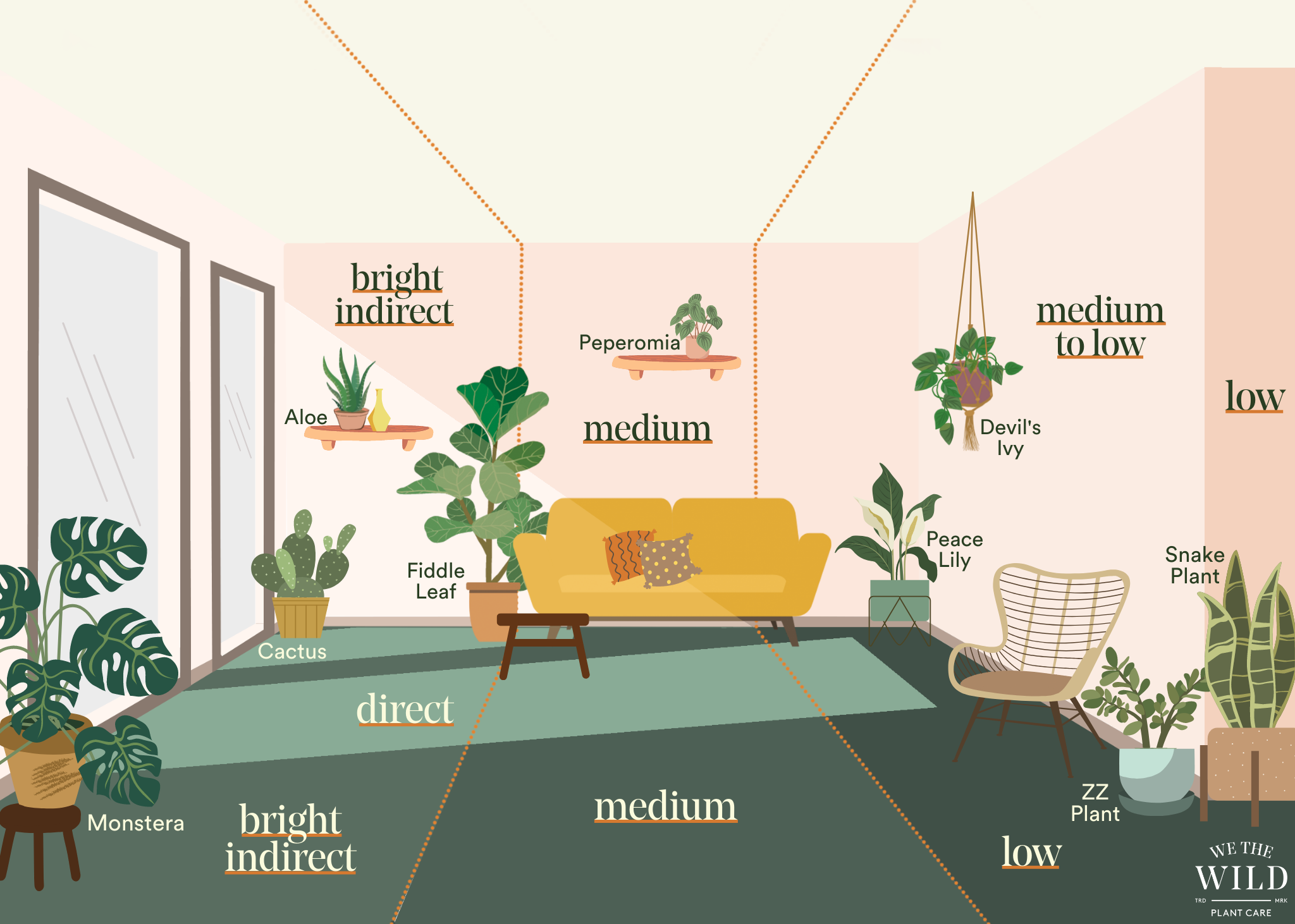
In winter, when days shorten, move plants closer to windows or use timers on grow lights. Artificial lighting should be 12-14 inches above plants, adjusted as they grow.
Soil and Drainage: Building a Strong Foundation
No discussion of how to care for succulents is complete without addressing soil. Standard potting mix retains too much moisture, leading to rot. Opt for a well-draining succulent soil mix that’s porous and aerated.
A DIY recipe: one part organic matter (potting soil or coconut coir) to two parts inorganic (perlite, pumice, or coarse sand). This promotes quick drying and root health. Commercial options like cngarden’s premium potting mixes are pre-blended for convenience.
Drainage is vital—pots must have holes to expel excess water. Add a layer of gravel at the bottom for extra assurance. Repot every 1-2 years in spring, using fresh soil to refresh nutrients.
Soil pH should be slightly acidic to neutral (6.0-7.0). Test with kits from cngarden if needed. Avoid compacted soil by gently loosening roots during repotting.
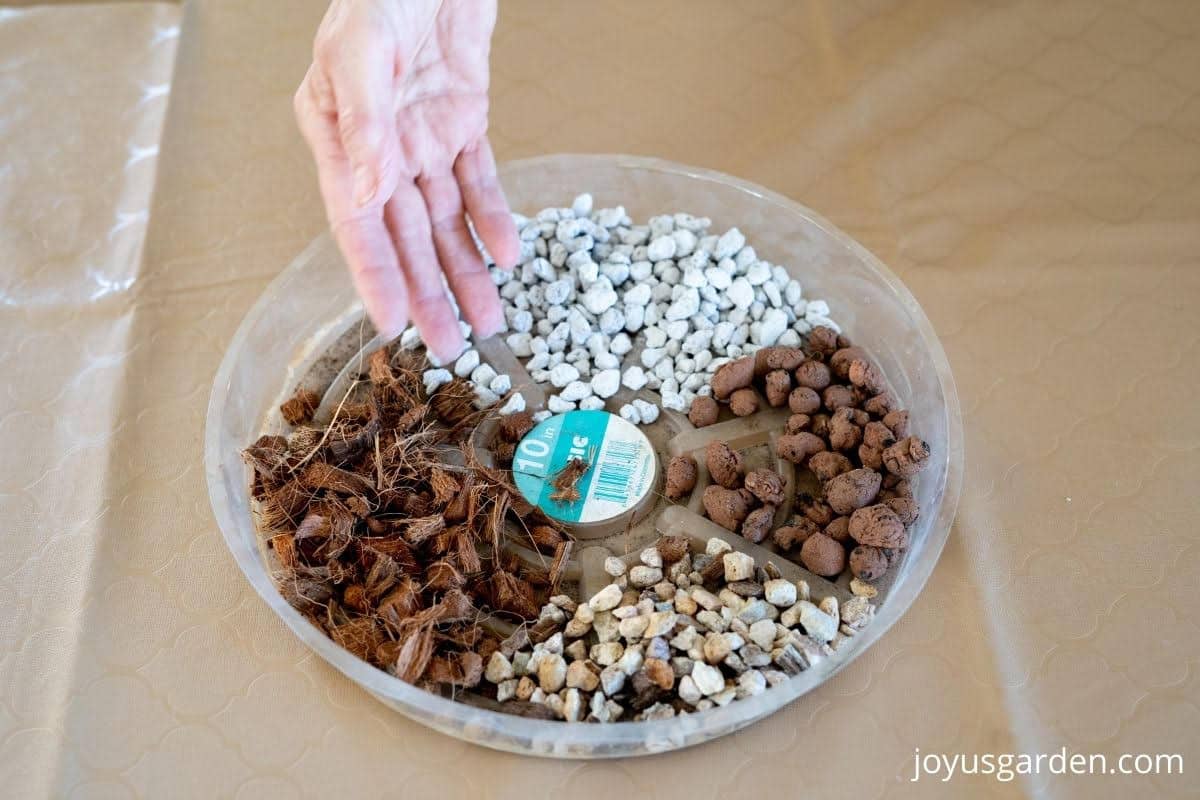
Enhance with amendments like worm castings for mild fertility. Remember, succulents prefer “lean” soil—overly rich mixes encourage weak growth.
Choosing the Right Container
The container plays a pivotal role in succulent health. Prioritize drainage holes to prevent waterlogging. Terracotta pots are excellent, as their porosity aids evaporation, ideal for beginners prone to overwatering.
Plastic pots are lightweight and retain moisture longer, suiting drier climates. For decorative appeal without holes, use double potting: grow in a functional pot inside an ornamental one.
Size matters—choose pots slightly larger than the root ball to allow growth without excess soil that stays wet. Cluster arrangements in shallow trays create mini landscapes but ensure individual drainage.
Materials like ceramic or glass can work if holed, but avoid metal that heats up. At cngarden, browse our gardening supplies for stylish, functional options.
Fertilizing for Optimal Growth
Succulents are light feeders, but a nutrient boost during active growth enhances vigor and flowering. Use a balanced, water-soluble fertilizer diluted to half-strength every 4-6 weeks in spring and summer.
Opt for cactus/succulent-specific formulas low in nitrogen to prevent legginess. Organic options like compost tea provide gentle nourishment. Avoid fertilizing in dormancy to prevent burn.
Monitor for deficiencies: pale leaves might indicate nitrogen lack, while poor blooming suggests phosphorus shortage. Flush soil monthly to prevent salt buildup.
Propagation: Expanding Your Collection
Propagation is a fun way to multiply your succulents. For leaf cuttings, twist healthy leaves from the stem, let callus for 2-3 days, then place on moist soil under indirect light. Roots form in weeks.
Offsets, or “pups,” from plants like Aloes can be separated and potted. Stem cuttings work for trailing varieties—dry ends and plant.
Success tips: use rooting hormone sparingly, maintain humidity with plastic covers, and be patient. cngarden offers tools for seamless propagation.
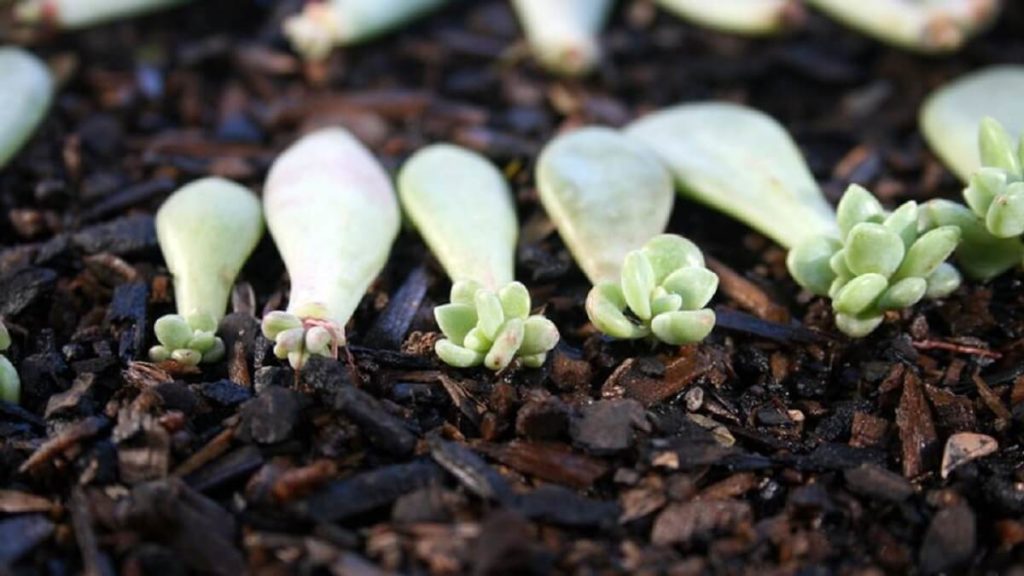
Common challenges include rot from over-misting; counter with good ventilation.
Common Pests and Problems
Even with excellent care, pests like mealybugs (cottony masses) or spider mites can appear. Treat with alcohol wipes or insecticidal soap. Prevent with isolation and airflow.
Fungal issues arise in humidity; use fungicides if needed. Over-fertilization causes burns—flush soil. Etiolation fixes with more light.
Regular inspections catch problems early. For stubborn issues, consult cngarden’s experts.
Conclusion
Mastering how to care for succulents brings enduring beauty to your space. With proper watering, light, soil, and attention, your plants will flourish. Visit cngarden for premium succulents, soils, and tools to elevate your gardening. Happy planting!
 English
  Arabic
  Dutch
Dutch  German
  French
  Portuguese
  Spanish
  Russian
  Japanese
  Korean