

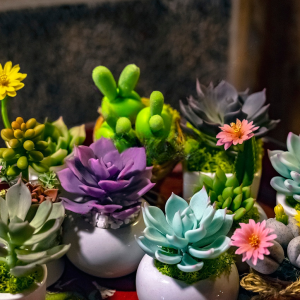
Succulentes have exploded in popularity because they combine eye-catching beauty with incredibly low upkeep. Their thick, sculptural leaves, rosette forms, trailing habits, and ability to change color with seasons make them perfect for modern homes, sunny balconies, and small-space gardening. In Los Angeles, where bright sunlight and dry air are the norm, succulents often perform exceptionally well with minimal intervention.

%类别%
At cngarden we offer a wide selection of vibrant succulents, premium cactus & succulent soil, grow lights, terracotta pots, and all the essential tools to help you succeed.
This beginner-to-intermediate guide covers the most important aspects of succulent gardening so your plants stay healthy and stunning year-round.
What Makes Succulents So Easy to Love
Succulents are specialized plants that store water in their leaves, stems, or roots, allowing them to survive extended dry periods. This adaptation is exactly why they dislike “wet feet” and regular houseplant watering schedules.
Popular easy-care varieties include:
- Echeveria – classic rosettes in soft pastels, silvery blues, and dramatic purples
- Sedum – trailing varieties and low-growing groundcover types
- Haworthia – small, compact plants with zebra-like patterns or translucent tips
- Graptopetalum & hybrids – stunning color shifters that turn vivid in strong light
- Crassula (Jade) – sturdy, tree-like forms that are nearly indestructible
Many of these thrive outdoors in mild Southern California winters, while more delicate, powdery varieties do best indoors or in protected spots during rare cool snaps.
Watering Succulents Correctly: The Soak & Dry Rule
The #1 reason succulents die is too much water. Forget daily or weekly sprinkles—the correct method is “soak and dry.”
How to do it:
- Water thoroughly until liquid runs freely out the bottom drainage holes.
- Wait until the entire pot of soil is bone-dry before watering again.
In typical Los Angeles conditions:
- Spring & summer (active growth): usually every 10–14 days
- Fall & winter (slower growth or dormancy): every 3–6 weeks
Always test the soil first—stick your finger or a wooden skewer 1–2 inches deep. Dry = water. Still damp = wait.
Quick checklist:
- Overwatered signs: yellowing, translucent, soft/mushy leaves; black stem base
- Underwatered signs: wrinkled, shriveled, flattened leaves; soil shrinking away from pot sides
A narrow-spout watering can helps avoid wetting the leaves (which can lead to rot).
Here are some colorful succulents thriving in bright LA sunlight:
Light Requirements: Bright & Direct Is Usually Best
Succulents need plenty of light to stay compact and develop their most intense colors. In Los Angeles this is rarely a problem—most homes have excellent natural options.
Best locations:
- South- or west-facing windows → strongest light, deepest colors
- East-facing windows → gentle morning sun (perfect for many soft rosettes)
- Grow lights → full-spectrum LED panels for north-facing rooms or winter
Outdoors: acclimate gradually over 1–2 weeks to avoid sunburn. Strong sunlight brings out beautiful reds, pinks, purples, and oranges in many varieties.
Rotate pots every week or two for even growth and symmetrical shape.
The Right Soil & Pot Setup
Succulents must have fast-draining soil and pots with drainage holes—non-negotiable.
Recommended soil mix:
- 1 part light potting soil or coco coir
- 1–2 parts gritty material (perlite, pumice, coarse sand, small gravel)
Many gardeners prefer ready-to-use cactus & succulent potting mix for convenience.
Favorite pot materials:
- Terracotta – porous, dries quickly, classic look
- Plastic or glazed ceramic – retains moisture longer (good in very dry conditions)
For decorative pots without holes, use the double-potting technique: grow in a nursery pot with drainage holes and place it inside the prettier container.
Repot in spring using fresh soil, and only go up one pot size at a time.
Fertilizing & Propagation Basics
During active growth (spring–summer), fertilize lightly every 4–6 weeks with a diluted (¼–½ strength) cactus/succulent fertilizer. Skip fall and winter.
Propagation is simple and rewarding:
- Leaf propagation: twist off healthy leaves, let callus 2–5 days, lay on dry soil
- Removing pups/offsets: gently separate baby plants from the base
- Stem cuttings: cut healthy stems, dry ends for a few days, then plant
Bright light and patience usually produce roots within a few weeks.
Common Problems & Fast Fixes
- Mealybugs (white cottony spots) → dab with 70% rubbing alcohol or use neem oil
- Spider mites → increase airflow, wipe leaves, treat with insecticidal soap
- Leggy / stretched growth → move to brighter location
- Sunburn (brown/white patches) → provide gradual sun exposure next time
Good air circulation and avoiding overcrowding prevent most fungal issues.
Final Thoughts: Succulents Are Made for LA Living
Succulent gardening is all about bright light, infrequent but thorough watering, excellent drainage, and light feeding during the growing season. Los Angeles weather gives these plants almost everything they crave—resulting in vivid colors, easy offsets, and occasional beautiful flowers.
Come visit cngarden for healthy starter plants, high-quality soil blends, stylish pots, grow lights, precision watering tools, and everything else you need to create your perfect succulent display—whether one special pot or an entire collection.
Happy growing!
 English
  Arabic
  Dutch
Dutch  German
  French
  Portuguese
  Spanish
  Russian
  Japanese
  Korean