

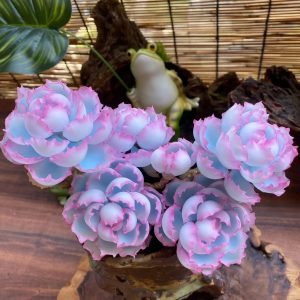
As a plant enthusiast, I understand the confusion many friends have about soins des succulentes. Today, I’d like to share some maintenance insights based on my years of practical experience. These methods have helped me successfully cultivate hundreds of pots of various succulent varieties, benefiting everyone from beginners to seasoned enthusiasts.
Light Management: More Isn’t Always Better
First, it’s important to clarify that succulents need sufficient light. Most varieties require 4–6 hours of direct sunlight daily. For indoor care, a south-facing windowsill is the most ideal location. However, note that light intensity needs adjustment across different seasons. Midday summer sunlight can be too intense and may easily scorch the leaves. I recommend using shade cloth in summer or moving plants to a shaded area during noon hours.
Watering Techniques: Observe the Soil, Not the Clock
The key to watering lies in observing soil conditions, not following a fixed schedule. I typically use the “soak and dry” method. To check if the soil is dry: insert a bamboo skewer to the bottom of the pot, leave it for a few minutes, then remove it. If the skewer is completely dry, it’s time to water. When watering, do so slowly until water drains from the bottom of the pot.
Temperature Control: Seasonal Adjustments
Temperature management directly affects the health of succulents. The optimal temperature for succulent growth is 15–25°C. When temperatures exceed 30°C, the plants enter dormancy, and watering frequency should be reduced. In winter, keep plants warm, especially when nighttime temperatures drop below 5°C; move them indoors or take insulation measures. I find the most effective approach is to keep a thermometer handy, recording the ambient temperature daily and adjusting care methods accordingly.
Soil Mix: The Key to Healthy Roots
Good soil is the foundation of successful cultivation. My personal soil mix formula is: 50% peat soil, 30% perlite, 10% vermiculite, and 10% river sand. This blend provides excellent drainage while retaining adequate moisture. Repotting every 1–2 years ensures root health. The best times for repotting are spring or autumn, when plants are in their active growth phase and recover more easily.
Solutions to Common Issues
During cultivation, we may encounter various problems. Soft leaves may signal overwatering, while wrinkled leaves indicate the need for more frequent watering. If a plant appears leggy, it’s usually due to insufficient light, requiring adjustment of its placement. In case of pests, start by wiping affected areas with a cotton swab dipped in alcohol. For severe cases, use specialized insecticides.
Propagation Techniques: Expanding Your Collection
Propagating succulents is a fascinating process. I commonly use leaf cuttings and division. For leaf cuttings, select healthy, intact leaves, let them air-dry in a well-ventilated area for 2–3 days, then lay them flat on moist soil. Division is best done in spring—carefully separate offshoots, ensuring each plantlet has a complete root system. You might fail a few times at first, but don’t be discouraged; practice will help you master the technique.
Pot Selection: Size Matters
Pot choice is often overlooked but crucial. I recommend terracotta pots for their excellent breathability. The pot size should be 2–3 cm larger than the plant, providing enough space for root growth without causing waterlogging due to excess soil. Every pot must have drainage holes—this is essential to prevent root rot.
Fertilization Strategy: Moderation is Key
Succulents don’t require heavy fertilization. During the growing season (spring and autumn), apply diluted specialized fertilizer once a month. Stop fertilizing in winter and summer. I suggest using slow-release fertilizers to avoid fertilizer burn while providing consistent nutrition. Remember, over-fertilization is more harmful than under-fertilization.
Observation and Record-Keeping: Developing Plant Intuition
Finally, I want to emphasize the importance of observation. I recommend keeping a care journal to record watering times, growth conditions, and environmental changes for each plant. Over time, you’ll become increasingly sensitive to your plants’ needs, enabling you to detect issues early and take appropriate action.
Caring for succulents is a process that requires patience and learning. Every grower needs to find the methods that work best for them. You may face challenges at first, but persistence will ultimately allow you to enjoy the pleasure of cultivating plants. Remember, the best care experience comes from practice and observation, not blindly following others’ advice. Start now, and care for your succulents with dedication
 English
  Arabic
  Dutch
Dutch  German
  French
  Portuguese
  Spanish
  Russian
  Japanese
  Korean