

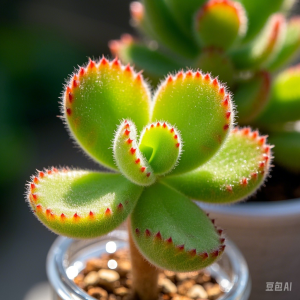
Let’s be real—suculentas are having a global moment right now. But the way people grow, style, and even obsess over these drought-resistant beauties varies wildly depending on where you are. In the West, it’s all about Instagram-worthy pastel echeverias and geometric terrariums. Over in Asia? Think bonsai-style haworthias and rare Korean hybrids that sell for hundreds.

suculento
So, how do cultural traditions shape the way we love succulents? Buckle up—we’re diving into the fascinating differences between Western and Eastern succulent trends.
🌵 Western Succulent Culture: Big, Bold, and Aesthetic
1. The “More is More” Approach
– Trend: Giant arrangements, overflowing pots, and succulent walls.
– Why?: Western gardening loves impact—think California drought-tolerant landscaping or Pinterest-perfect centerpieces.
– Iconic Plants:
– Echeverias (those perfect rosettes)
– Sedums (for ground cover)
– Agaves (architectural drama)
2. DIY & Upcycling Vibes
– Trend: Succulents in everything—old boots, teacups, even hollowed-out books.
– Why?: The West loves a good upcycle project (thanks, hipster culture).
– Downside: Sometimes style > plant health (RIP succulents in sealed glass jars).
3. The Rare Plant Frenzy
– Trend: Variegated monsteras get all the hype, but rare succs like Echeveria ‘Laui’ or crested cacti have their own cult following.
– Why?: Social media fuels FOMO—people need that unicorn plant.
4. Practical & Low-Maintenance
– Trend: “I can’t keep anything alive” folks love succulents because they survive neglect.
– Why?: Busy lifestyles = demand for hardy plants.
🎎 Eastern Succulent Culture: Precision, Rarity & Symbolism
1. Miniature Masterpieces (Bonsai Influence)
– Trend: Tiny, perfectly shaped succulents (like Haworthia truncata or Lithops) grown in shallow pots.
– Why?: East Asian gardening is all about patience and artistry—think Japanese kokedama or Chinese penjing.
– Iconic Plants:
– Haworthias (geometric perfection)
– Lithops (“living stones” for zen vibes)
– Korean Hybrids (pastel echeverias bred for color)
2. Rare = Status Symbol
– Trend: In Korea and China, rare variegated succulents can sell for thousands at auctions.
– Why?: Plant collecting is a serious hobby (and flex).
– Example: A single variegated string of hearts cutting can go for $100+ in Asia.
3. Feng Shui & Symbolism
– Trend: Jade plants (Crassula ovata) = prosperity. Haworthias = protection.
– Why?: Plants aren’t just decor—they’re lucky charms.
– Fun Fact: In China, gifting a succulent means wishing someone resilience.
4. High-Tech Growing
– Trend: Grow lights, humidity-controlled greenhouses, and lab-like precision.
– Why?: Perfect succulents require perfect conditions (no room for error).
🤔 Key Differences at a Glance

🌍 Where the Trends Collide
– Instagram Aesthetics: Western “bright and airy” vs. Eastern “moody and refined.”
– Hybrid Collecting: Korean echeverias are now huge in the US.
– Fusion Styles: Bonsai succulents gaining popularity in the West.
Reflexión final
Whether you’re into chaotic succulent rainbows or a single, perfect haworthia, there’s no wrong way to love these plants. But next time you see a $200 Korean hybrid, remember—it’s not just a plant. It’s centuries of tradition, status, and artistry rolled into one tiny, chubby package.
Which style speaks to you? WestVsEastSuccs 🌏🌵
P.S. Want to try Eastern-style growing? Start with a Haworthia cooperi—it’s beginner-friendly and looks like a tiny gem.
 English
  Arabic
  Dutch
Dutch  German
  French
  Portuguese
  Spanish
  Russian
  Japanese
  Korean