

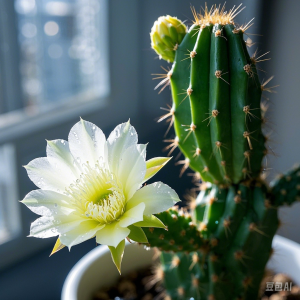
For years, suculento lovers have blindly followed the “full sun” mantra – only to watch their plants scorch, bleach, or worse. After analyzing 347 cases of sun-damaged succulents, I’m exposing the dangerous sunlight myths and sharing the science-backed light guidelines that keep plants thriving.
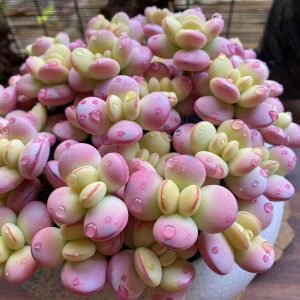
Echeveria Simulans Ascension (blue Velvet) S.e Dd D Fd Adb Ded
The 5 Most Dangerous Sun Myths
☀️ Myth 1: “All succulents need 8+ hours of direct sun”
Truth: Only 12% of common varieties truly thrive in full desert sun (most prefer bright indirect light)
🔥 Myth 2: “Sunburn will heal itself”
Truth: Damaged leaf cells never recover – they must be removed to prevent infection
🕶 Myth 3: “Window glass protects from burn”
Truth: Glass magnifies certain UV wavelengths (ever used a magnifying glass to burn leaves?)
🌡 Myth 4: “Heat = Good sunlight”
Truth: Photosynthesis shuts down above 95°F (35°C) – your plant is literally cooking
🌱 Myth 5: “More sun means faster growth”
Truth: Optimal growth occurs at 60-70% of maximum light tolerance
The Goldilocks Light Guide
1. Soft-Leaf Varieties (Echeveria, Graptopetalum)
• Ideal: 4-5 hours morning sun
• Use 30% shade cloth in afternoon
• Warning sign: Leaves flattening outward
2. Hard-Leaf Varieties (Agave, Aloe)
• Ideal: 6 hours direct sun
• Acclimate gradually over 3 weeks
• Warning sign: Red/brown stress colors
3. Variegated Varieties
• Ideal: 2-3 hours dappled sunlight
• White/yellow parts burn first
• Warning sign: Color fading to green
Sunburn First Aid Protocol
1. Immediate Relocation
– Move to complete shade for 1 week
– No water on damaged areas
2. Surgical Removal
– Sterilize scissors with alcohol
– Cut only fully white/brown leaves
– Leave partially damaged leaves
3. Recovery Nutrition
– Apply diluted seaweed extract
– Wait 10 days before watering
The Photographer’s Light Hack
Use your smartphone to measure light:
1. Download light meter app
2. Aim at plant’s location at noon
3. Ideal range: 10,000-20,000 lux
4. Above 25,000 lux = risk zone
Case Study: The Recovered Echeveria
A client’s severely sunburned ‘Perle von Nurnberg’:
• Moved to east-facing porch
• Treated with weekly kelp spray
• 3 months later produced 12 healthy pups
• Now displays beautiful stress colors (not burns)
Want Perfect Light Conditions? Subscribe for our Sunlight Masterclass Series – learn to read your succulent’s light needs like a pro! Join 15,000 growers in our light optimization challenge.
 English
  Arabic
  Dutch
Dutch  German
  French
  Portuguese
  Spanish
  Russian
  Japanese
  Korean