


Winter transforms suculento care completely. What works during warm growing seasons becomes a recipe for disaster when temperatures drop and daylight diminishes. After losing several prized plants during my first winter as a collector, I developed a survival system that now keeps my entire collection thriving through freezing months. Whether you’re dealing with snowy climates or just cooler indoor conditions, these strategies will help your succulents survive winter in peak health.
The first critical adjustment involves watering frequency. While I water my succulents every 7-10 days in summer, winter demands a radical reduction to every 3-4 weeks. Cold soil combined with excess moisture creates perfect conditions for root rot. I use a moisture meter to confirm the soil is completely dry before even considering watering. For dormant varieties like Lithops and some Aloes, I withhold water entirely from November through February. Surprisingly, most succulents plump up slightly when kept dry in cool conditions as they enter survival mode.
Light requirements change dramatically in winter. With shorter days and weaker sunlight, even south-facing windows may not provide enough intensity. I supplement natural light with simple LED grow lights positioned 6-12 inches above plants for 12-14 hours daily. The lights stay on timers to maintain consistency. This prevents etiolation (stretching) while maintaining compact growth. I rotate plants weekly to ensure all sides receive equal light exposure since the low winter sun comes at sharper angles.
Temperature management becomes crucial for cold-sensitive succulents. While some varieties like Sempervivums tolerate freezing temperatures, most prefer staying above 50°F. My indoor collection stays near windows where temperatures drop to 55°F at night—cool enough to maintain dormancy but safe from frost damage. For outdoor plants in marginal climates, I use frost cloth secured over simple PVC frames when temperatures dip below freezing. A surprising trick: clustering pots together creates a microclimate that’s 2-3 degrees warmer than individual plants.
Humidity fluctuations pose unexpected winter challenges. Heating systems create dry air that can cause succulent leaves to shrivel faster, while poorly ventilated areas may become too humid. I place humidity trays filled with pebbles and water beneath my most sensitive plants and run a small fan periodically to prevent stagnant air. This balance prevents both dehydration and fungal issues. Monitoring with a simple hygrometer helps maintain the ideal 40-50% humidity range.
Pest prevention intensifies in winter when stressed plants become more vulnerable. Mealybugs and spider mites proliferate in dry indoor air. I inspect every plant weekly with a magnifying glass, paying special attention to leaf axils and undersides. A preventative spray of diluted neem oil applied during the warmer afternoon hours creates a protective barrier without risking cold damage from nighttime applications. New plants undergo strict quarantine before joining the main collection during these vulnerable months.
Growth patterns change completely in winter. Most succulents enter dormancy, showing little visible growth while they conserve energy. I resist the urge to fertilize or repot during this period since plants can’t properly utilize nutrients or recover from root disturbance. The exception comes with winter-growing varieties like some Haworthias and Gasterias that actually prefer light feeding during cooler months. Knowing each plant’s natural cycle prevents misapplied care.
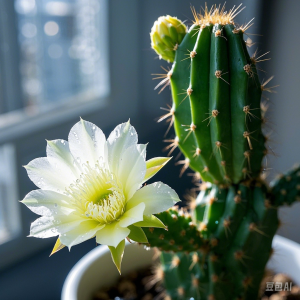
Holiday decorations require special consideration. While succulents make beautiful living centerpieces, I avoid placing them near heat vents, fireplaces, or drafty doorways where temperature fluctuations shock plants. If using succulents in temporary arrangements, I limit their time away from ideal growing conditions to 3-4 days maximum before returning them to their proper locations. Forced flowering holiday cacti get extra protection from sudden temperature changes that cause bud drop.
Winter propagation follows different rules. Leaf propagation slows dramatically, with some cuttings taking 2-3 times longer to root than in summer. I maintain a dedicated propagation tray under grow lights with bottom heat to encourage rooting. Water propagation becomes risky due to higher chances of rot—I stick to dry soil methods during cold months. Any separated offsets get extra time to callous before planting since wounds heal slower in cool conditions.
Spring transition requires careful planning. As daylight increases in late winter, I gradually reintroduce plants to stronger light to prevent sunburn. Watering frequency increases slowly as temperatures rise, watching carefully for signs of new growth before resuming full summer routines. The first warm days often tempt growers to move plants outside prematurely—I wait until nighttime temperatures consistently stay above 50°F before considering outdoor transition.
Emergency preparedness handles unexpected cold snaps. I keep insulating materials like bubble wrap and frost cloth readily available for sudden temperature drops. A backup power source for grow lights prevents light deprivation during winter storms. For valuable outdoor specimens, I have portable cold frames that can be deployed quickly when extreme weather threatens.
The rewards of proper winter care become apparent come spring. Well-maintained succulents burst into vigorous growth as temperatures warm, often producing their most spectacular flowers after proper dormancy. My collection now survives winters with near-zero losses compared to the 30% mortality rate I experienced before implementing these strategies.
#WinterSucculentCare #ColdWeatherTips #IndoorSucculentWintering #SucculentDormancy #SeasonalPlantCare
How do you adapt your succulent care for winter? Share your cold-weather survival strategies below!
 English
  Arabic
  Dutch
Dutch  German
  French
  Portuguese
  Spanish
  Russian
  Japanese
  Korean