


You know that adorable little suculento you just bought because it looked so cute and low-maintenance? Well, surprise—it might be an invasive species in disguise! Some succulents might seem harmless, but they can actually take over gardens, choke out native plants, and even become ecological nightmares. Let’s talk about the sneaky succulents you should never plant outdoors (unless you want to start an accidental apocalypse).
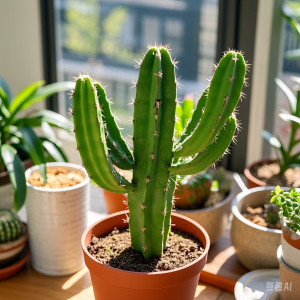
Opuntia
Why Some Succulents Are Too Good at Surviving
Most succulents are chill—they stay where you put them, grow slowly, and don’t cause trouble. But a few? Oh boy, they’re like the kudzu of the succulent world. These aggressive growers spread fast, drop pups everywhere, and can even survive harsh conditions that kill other plants. That sounds cool… until they start invading natural habitats and pushing out local species.
The Worst Offenders – Succulents That Will Take Over
-
Mother of Millions (Kalanchoe daigremontiana)
-
Why it’s dangerous: This thing is basically a baby-making machine. Tiny plantlets grow along its leaves, drop off, and root anywhere.
-
Where it’s invasive: Australia, Florida, and parts of California have declared war on this plant.
-
What to do: Keep it in a pot indoors, and never let it near soil outside.
-
-
Hens and Chicks (Some Sempervivum Varieties)
-
Wait, these are invasive?! Normally, no—but certain types spread like crazy in mild climates.
-
Problem: They form dense mats that smother other plants.
-
Fix: Stick to containers unless you live somewhere cold (they behave better there).
-
-
Ice Plant (Carpobrotus edulis)
-
Why it’s bad: This coastal invader was originally planted to control erosion… but now it’s taking over beaches and dunes.
-
Where it’s a problem: California, Mediterranean regions.
-
Alternative: Try native sedums or delosperma instead.
-
-
Prickly Pear (Some Opuntia Species)
-
Wait, I love prickly pear! Yeah, but in places like Australia and South Africa, it’s a noxious weed.
-
Why: It spreads fast, and its spines make it hard to remove.
-
Solution: If you live in a warm climate, check if your variety is safe before planting.
-
How to Be a Responsible Succulent Owner
-
Research before you plant outdoors—just because it’s cute doesn’t mean it’s safe.
-
Stick to pots for aggressive spreaders.
-
Dispose of clippings properly—don’t toss them in the wild!
-
Choose native alternatives when possible.
Reflexión final: Succulents are awesome, but some are too good at surviving. Keep the invasive ones contained, and you’ll avoid an ecological disaster. #DontPlantAMonster
 English
  Arabic
  Dutch
Dutch  German
  French
  Portuguese
  Spanish
  Russian
  Japanese
  Korean