

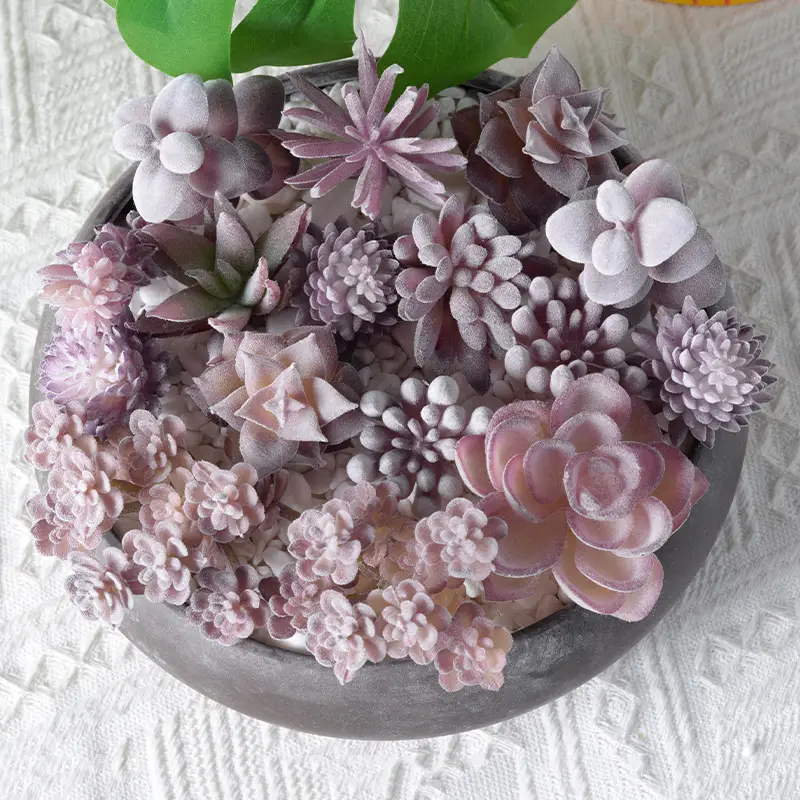
- Why Pot Choice Matters So Much
- Part 1: Pot Materials – Pros, Cons, and Best Uses
- Part 2: Drainage Holes – The Non-Negotiable
- Part 3: Size Matters – Choosing the Right Dimensions
- Part 4: Shape and Style Considerations
- Part 5: Color and Aesthetics – Matching Plant to Pot
- Part 6: Special Considerations for Different Settings
- Part 7: Potting and Repotting Tips
- Part 8: Top Dressing – The Finishing Touch
- Part 9: Creative Potting Ideas
- Part 10: Common Potting Mistakes to Avoid
- Part 11: Matching Pots to Your Space
- Part 12: Sustainable Potting Choices
- Conclusion: The Perfect Pot Awaits
You’ve selected the perfect succulent, mastered the watering schedule, and found the ideal spot with plenty of sunlight. But have you considered the one thing that holds it all together—literally? The pot.
In the world of cuidados de las suculentas, the container is far more than a decorative accessory. It’s your plant’s home, its ecosystem, and the single most important factor in preventing podredumbre radicular. The right pot can mean the difference between a thriving collection and a constant battle with overwatering.

%类别%
Welcome to the complete guide to succulent pots from cngarden. Whether you’re repotting a beloved specimen or designing a stunning succulent arrangement, understanding pot selection will transform your success rate.
Why Pot Choice Matters So Much
Succulents have unique needs when it comes to containers. Unlike thirsty tropical plants, succulents store water in their leaves and need their roots to dry out quickly between waterings. The pot directly affects:
-
How fast soil dries (different materials evaporate at different rates)
-
Root health and aeration (roots need oxygen as much as water)
-
Risk of root rot (the #1 killer of succulents)
-
Plant stability (top-heavy succulents need solid foundations)
-
Growth rate and size (pots restrict or encourage root development)
Choosing wisely means understanding the trade-offs between aesthetics, function, and your specific growing conditions.
Part 1: Pot Materials – Pros, Cons, and Best Uses
Terracotta (Clay Pots)
The Gold Standard for Succulents
Terracotta is the classic choice for good reason. These unglazed clay pots are porous, meaning they breathe—air passes through the walls, and moisture evaporates from all sides, not just the soil surface .
Pros:
-
Excellent drainage: Porous nature wicks moisture away from roots
-
Breathable: Roots get more oxygen
-
Weight: Heavy enough to stabilize top-heavy plants
-
Natural look: Beautiful with any succulent style
-
Forgiving: Perfect for beginners prone to overwatering
Cons:
-
Dries quickly: May need more frequent watering (especially in hot climates)
-
Fragile: Can crack if dropped or exposed to freezing
-
Mineral buildup: White deposits from tap water appear on outside
-
Price: Quality terracotta costs more than plastic
Best For:
-
Beginners learning to water
-
Succulents that prefer drier conditions (Echeverias, Sedums, cacti)
-
Indoor growing where overwatering is common
-
Collections in humid climates
At cngarden, our terracotta collection includes classic pots, shallow bowls for arrangements, and unique shapes for every style.
Ceramic (Glazed Pots)
Beauty with Considerations
Glazed ceramic pots come in endless colors, patterns, and finishes. They’re stunning design pieces but behave very differently from terracotta.
Pros:
-
Aesthetic appeal: Unlimited colors and designs
-
Moisture retention: Glaze keeps soil moist longer (good for thirsty plants)
-
Durability: Fired ceramic is strong
-
Easy to clean: Glazed surfaces wipe clean easily
-
Variety: Shapes from classic to modern
Cons:
-
Poor breathability: Glaze seals the clay; no air exchange through walls
-
Moisture risk: Holds water longer, increasing rot potential
-
Weight: Heavy, especially large sizes
-
Price: Can be expensive, especially handmade
Best For:
-
Experienced growers who understand watering adjustments
-
Dry climates where soil dries too fast
-
Display plants where aesthetics matter most
-
Succulents that appreciate slightly more moisture (some Haworthias)
Critical Tip: If using glazed ceramic, reduce watering frequency by 30-50% compared to terracotta. Always ensure a orificio de drenaje is present.
Plastic Pots
Practical and Functional
Nursery pots are plastic for a reason—they’re cheap, lightweight, and functional. Many succulent growers use plastic pots inside decorative cachepots.
Pros:
-
Lightweight: Easy to move and rearrange
-
Inexpensive: Perfect for large collections
-
Moisture retention: Holds water longer (good for some situations)
-
Flexible: Easy to squeeze to remove root-bound plants
-
Variety: Countless sizes and shapes
Cons:
-
No breathability: Plastic doesn’t breathe at all
-
Moisture risk: Highest rot potential if overwatered
-
Cheap look: Not attractive on their own
-
Degradation: UV light degrades plastic over time outdoors
Best For:
-
Propagations and seedlings (needs more consistent moisture)
-
Outdoor containers in hot, dry climates
-
Using inside decorative cachepots
-
Growers who water carefully and understand their plants
Critical Tip: In plastic, use an even grittier soil mix (more perlite/pumice) to compensate for lack of breathability.
Concrete and Hypertufa
Modern and Industrial
Concrete pots have surged in popularity for their modern, minimalist aesthetic. They’re heavy, durable, and have unique properties.
Pros:
-
Modern look: Clean lines, industrial style
-
Weight: Extremely stable for large plants
-
Durability: Last forever outdoors
-
Breathability: Concrete is somewhat porous
-
Unique: Each pot has character
Cons:
-
Very heavy: Difficult to move
-
Alkaline: Concrete can leach lime, raising soil pH (some succulents dislike this)
-
Cost: Can be expensive
-
Curing: New concrete needs curing before planting
Best For:
-
Permanent outdoor plantings
-
Large architectural specimens
-
Modern design schemes
-
Experienced growers who understand pH
Tip: Seal the inside of concrete pots with a concrete sealer to prevent pH issues, or soak new pots in water for several days before planting.
Wooden Containers
Natural and Rustic
Wooden boxes, troughs, and barrels can make beautiful succulent homes, especially for large arrangements.
Pros:
-
Natural look: Beautiful with rustic or natural gardens
-
Size options: Can be custom-built to any dimension
-
Insulation: Wood insulates roots from temperature extremes
-
Breathability: Wood breathes (depending on thickness)
Cons:
-
Rot: Wood eventually decays, especially with constant moisture
-
Weight: Large wooden containers are very heavy
-
Maintenance: May need sealing or lining
-
Drainage: Must drill holes; may need liner to prevent soil escape
Best For:
-
Large outdoor arrangements
-
Rustic or natural garden designs
-
Temporary plantings (2-3 years before wood degrades)
Tip: Line wooden containers with landscape fabric to contain soil while allowing drainage, and elevate slightly to prevent water pooling.
Metal and Glass Containers
High Risk, High Reward
Tin cans, copper planters, glass bowls, and geometric metal pots look amazing but present serious challenges for succulents.
Pros:
-
Unique aesthetic: Unbeatable for modern, industrial, or quirky designs
-
Variety: Endless creative options
-
Conversation pieces: Truly unique planters
Cons:
-
No breathability: Zero air exchange
-
Heat: Metal heats up in sun, cooking roots
-
No drainage: Most lack holes (must drill or use as cachepot)
-
Condensation: Glass shows condensation, but roots can’t breathe
-
Root rot risk: Extremely high if not careful
Best For:
-
Short-term displays (events, parties)
-
Using as cachepots with nursery pots inside
-
Very experienced growers who understand the risks
-
Succulents in very dry climates with careful watering
Critical Tip: Never plant directly in metal or glass without extreme caution. Use them as cachepots—place a plastic nursery pot inside the decorative container, and remove for watering.
Part 2: Drainage Holes – The Non-Negotiable
If a pot doesn’t have drainage holes, it’s not a succulent pot.
This is the golden rule of cuidados de las suculentas. Water must be able to escape. Without drainage holes, water pools at the bottom, soil stays wet, roots rot, and the plant dies .
What About Pots Without Holes?
You love that beautiful ceramic mug or glass geometric planter. We understand. Here are your options:
Option 1: Drill Your Own
-
Ceramic/terra cotta: Use a masonry bit, go slowly, keep area wet
-
Glass: Very tricky; requires special bits and steady hand
-
Metal: Can drill with metal bits
-
Risk: Drilling may crack the pot
Option 2: Use as a Cachepot (The Best Option)
Plant your succulent in a plain plastic nursery pot with drainage holes. Place that pot inside the decorative container. When watering:
-
Remove the plastic pot
-
Water thoroughly, letting excess drain
-
Return to decorative pot when drainage stops
This gives you the look you want with the drainage your plant needs.
Option 3: Double Potting with Pebbles (Risky)
Some people add a layer of pebbles at the bottom of a pot without holes, thinking it creates drainage. This does NOT work. Water still pools above the pebbles, creating a perched water table that keeps roots wet . Avoid this method.
Part 3: Size Matters – Choosing the Right Dimensions
Pot size dramatically affects succulent health. The wrong size can cause problems even with perfect soil and watering.
Too Big = Danger Zone
When a pot is too large:
-
Excess soil volume holds more water than the roots can absorb
-
Soil stays wet longer, inviting root rot
-
Plant focuses on root growth instead of top growth
-
Leaves may stretch reaching for light
Rule of Thumb: Choose a pot only 1-2 inches larger in diameter than the current pot . For most succulents, the pot should be just slightly wider than the plant itself.
Too Small = Stressed Plant
When a pot is too small:
-
Roots become root-bound (circling, crowded)
-
Water runs straight through without soaking in
-
Nutrients deplete quickly
-
Plant becomes top-heavy and tips over
-
Growth slows or stops
Signs your pot is too small:
-
Roots growing out of drainage holes
-
Plant dries out within a day or two
-
Pot tips over easily
-
No new growth despite good care
Depth Considerations
Different succulents have different root systems:
| Root Type | Examples | Pot Depth |
|---|---|---|
| Shallow, fibrous roots | Echeveria, Sedum, Sempervivum | Shallow pots (4-6 inches) work well |
| Taproots or thick roots | Haworthia, Gasteria, some Aloes | Deeper pots (6-8+ inches) needed |
| Deep, spreading roots | Agave, Yucca, large cacti | Deep pots matching root length |
General guideline: Choose a pot depth roughly equal to the plant’s height (excluding very tall succulents). For rosette types, shallow and wide beats deep and narrow.
Part 4: Shape and Style Considerations
Standard Round Pots
-
Pros: Classic, good root distribution, widely available
-
Lo mejor para: Most individual succulents
Shallow Bowls (Azalea Pots)
-
Pros: Perfect for arrangements, good for shallow roots
-
Lo mejor para: Succulent arrangements, Sempervivums, Echeverias
Square Pots
-
Pros: Space-efficient, modern look
-
Lo mejor para: Tight spacing, modern designs, shelf collections
Hanging Baskets
-
Pros: Showcases trailing varieties
-
Lo mejor para: String of Pearls, String of Bananas, trailing Sedums
Tall, Narrow Pots (Cachepots)
-
Pros: Dramatic look
-
Lo mejor para: Tall specimens (Aeoniums, some Aloes), but ensure stability
Part 5: Color and Aesthetics – Matching Plant to Pot
The right pot enhances your succulent’s natural beauty.
Color Theory for Succulent Pots
| Succulent Color | Pot Color Suggestions |
|---|---|
| Green succulents | Any color works; terracotta classic; bright colors pop |
| Blue/blue-green succulents | Terracotta (classic contrast), white, dark gray, coral |
| Purple/black succulents | Light colors (white, cream, light gray) create drama |
| Red/pink succulents | Neutrals (gray, tan, black) let color shine |
| Variegated succulents | Simple pots (terracotta, white) don’t compete |
| Mixed arrangements | Neutral pots (gray, tan, terra cotta) unify the design |
Texture Considerations
-
Smooth glazed pots contrast beautifully with textured succulents
-
Rough terracotta complements smooth, sleek Echeverias
-
Matte finishes feel modern and understated
-
Shiny glazes add drama but can compete with plant colors
Part 6: Special Considerations for Different Settings
Indoor Pots
-
Prioritize drainage and appropriate size
-
Consider aesthetics (these are part of your decor)
-
Saucers or trays essential to protect surfaces
-
Terracotta ideal for indoor overwatering risks
-
Cachepot method works well for indoor displays
Outdoor Pots
-
Must withstand weather (freeze-thaw cycles crack some pots)
-
Heavier pots resist wind tipping
-
UV resistance matters for plastic
-
Drainage even more critical with rain exposure
-
Consider moving pots for winter protection
Propagation Trays and Pots
-
Shallow trays work best for leaf propagation
-
Small pots (2-3 inches) ideal for rooted cuttings
-
Clear plastic cups (with holes) let you see root development
-
Group pots in trays for easier management
Part 7: Potting and Repotting Tips
Preparing a New Pot
-
Clean thoroughly if pot was used before (bleach solution kills pathogens)
-
Ensure drainage hole is clear
-
Cover hole with mesh, coffee filter, or broken pottery piece (prevents soil escape while allowing drainage)
-
Add base layer of well-draining potting mix
The Repotting Process
For detailed instructions, see our complete repotting guide. Quick summary:
-
Remove plant from old pot
-
Gently loosen roots and remove old soil
-
Inspect roots; trim any dead or rotten ones
-
Place in new pot at correct depth (crown slightly below rim)
-
Fill around roots with fresh soil
-
Tap pot to settle soil (don’t pack tightly)
-
Add top dressing if desired
-
Wait 3-7 days to water (let roots heal)
When to Repot
-
Every 12-18 months for most succulents
-
When roots fill current pot
-
When soil breaks down and no longer drains well
-
When plant shows signs of stress
-
Best in spring or early summer (growing season)
Part 8: Top Dressing – The Finishing Touch
Top dressing (covering soil surface with gravel, rocks, or sand) isn’t just decorative—it serves important functions:
Benefits:
-
Keeps leaves dry (prevents rot)
-
Prevents soil splash during watering
-
Discourages pests (fungus gnats can’t reach soil)
-
Stabilizes plants (especially top-heavy specimens)
-
Looks beautiful (finishes the arrangement)
Top Dressing Options:
| Material | Pros | Cons |
|---|---|---|
| Crushed granite | Natural look, drains well | Can be sharp |
| Pumice | Lightweight, porous, excellent drainage | More expensive |
| River pebbles | Smooth, attractive | Heavy, retains heat |
| Decorative gravel | Color options, uniform | Can be too fine |
| Sand | Natural desert look | Compacts, may retain moisture |
| Crushed shells | Unique, alkaline | Not for acid-loving plants |
Application: Apply 1/4 to 1/2 inch layer, keeping away from plant stems.
At cngarden, we offer a variety of top dressings to complement any pot and plant combination.
Part 9: Creative Potting Ideas
Succulent Wall Planters
Vertical gardens need shallow pockets with good drainage. Specialized wall planters or felt pockets work well.
Tiered Plant Stands
Group pots of varying heights for visual interest. Ensure each pot has its own drainage.
Repurposed Containers
Teacups, tins, and vintage finds can become homes—but remember the cachepot method!
Matching Pot Collections
Use pots in the same color family but different shapes for cohesive displays.
Pottery by Plant Type
Group similar succulents in matching pots for organized collections.
Part 10: Common Potting Mistakes to Avoid
| Mistake | Why It’s Bad | Solution |
|---|---|---|
| No drainage hole | Water pools; roots rot | Drill hole or use cachepot |
| Pot too large | Soil stays wet too long | Size up gradually |
| Pot too small | Roots cramped; plant stressed | Repot when root-bound |
| Wrong material for climate | Plastic in humid climate = rot | Match material to conditions |
| No top dressing | Soil splashes; leaves stay wet | Add gravel layer |
| Reusing dirty pots | Disease spreads | Sterilize before reuse |
| Burying crown too deep | Stem rots | Plant at correct depth |
| Watering immediately after repotting | Rot at damaged roots | Wait 3-7 days |
Part 11: Matching Pots to Your Space
Small Spaces (Apartments, Desks)
-
Small pots (2-4 inches)
-
Stackable or wall-mounted options
-
Glazed ceramic for aesthetics
-
Group small pots on trays
Sunny Windowsills
-
Terracotta ideal (dries quickly)
-
Rotate pots for even growth
-
Ensure saucers protect sill
Outdoor Patios and Balconies
-
Larger pots for impact
-
Heavy pots resist wind
-
Consider frost-proof materials
-
Group for microclimate
Garden Beds
-
In-ground planting different from pots
-
For container gardens in beds, large pots anchor design
Part 12: Sustainable Potting Choices
At cngarden, we care about the planet as much as plants.
Eco-Friendly Options:
-
Biodegradable pots: Coir, peat, or rice hull pots for propagations
-
Recycled materials: Pots made from recycled plastic
-
Second-hand pots: Thrift store finds with drainage added
-
Locally made pottery: Reduces shipping footprint
-
Long-lasting materials: Terracotta lasts decades with care
Pot Recycling:
-
Broken terracotta? Use shards for drainage layer in other pots
-
Clean and donate unwanted pots
-
Reuse nursery pots for propagations
Conclusion: The Perfect Pot Awaits
Choosing the right pot for your succulent is a blend of science and art. Science dictates the functional requirements—drainage, size, material—that keep roots healthy. Art guides the aesthetic choices that make your collection uniquely yours.
Remember these key principles:
-
Drainage holes are non-negotiable
-
Material matters (terracotta for beginners, others with adjustments)
-
Size appropriately (not too big, not too small)
-
Match pot to plant (shallow roots need shallow pots)
-
Consider your environment (climate, indoor/outdoor, light)
-
Have fun with design (pots are part of the beauty)
At cngarden, we offer a carefully curated selection of pots for every succulent, every style, and every budget. From classic terracotta to modern ceramics, from propagation trays to statement planters, we have everything you need to give your plants the perfect home.
Ready to find the perfect pot? Visit cngarden today to explore our collection and discover how the right container can transform your cuidados de las suculentas success. Happy planting!
 English
  Arabic
  Dutch
Dutch  German
  French
  Portuguese
  Spanish
  Russian
  Japanese
  Korean