

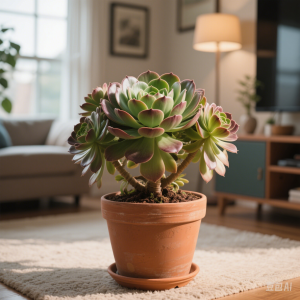
Starting your journey with succulents can be both exciting and intimidating. These fascinating plants have gained massive popularity for their unique appearance and reputation for being low-maintenance, but many beginners quickly discover that keeping them thriving requires understanding their specific needs. This guide will walk you through everything you need to know to keep your succulents healthy and beautiful, avoiding the common pitfalls that claim many first-time succulent owners’ plants.
Let’s start with the most critical aspect of العناية بالنباتات النضرة: watering. This is where most beginners go wrong, either by giving their plants too much love in the form of water or by forgetting about them completely. Succulents store water in their leaves, stems, or roots, which allows them to survive periods of drought. The golden rule for watering is to completely drench the soil when you water, then allow it to dry out completely before watering again. Stick your finger into the soil about two inches deep – if it feels dry, it’s time to water. If there’s any moisture at all, wait a few more days. During winter months when plants are dormant, you might only need to water once every 3-4 weeks, while in active growing seasons, it could be every 7-14 days depending on your environment.
Light requirements vary between different succulent types, but most need plenty of bright, indirect light. South or east-facing windows often provide ideal lighting conditions indoors. If you notice your plants stretching out with large spaces between leaves (a condition called etiolation), they’re not getting enough light. On the other hand, if you see brown, scorched spots on the leaves, they might be getting too much direct sunlight, especially during hot afternoon hours. Rotate your plants regularly to ensure all sides receive equal light exposure and prevent leaning. For those living in spaces with limited natural light, consider supplementing with grow lights placed about 6-12 inches above your plants for 12-14 hours daily.
Choosing the right soil is another crucial factor for succulent success. Regular potting soil retains too much moisture and will likely lead to root rot. You need a fast-draining mix specifically formulated for cacti and succulents. You can purchase pre-made mixes or create your own by combining regular potting soil with coarse sand, perlite, or pumice in a 1:1 ratio. The goal is to create a mixture that allows water to flow through quickly while still providing some nutrients and anchorage for the roots. The gritty texture also helps air reach the roots, which is essential for healthy growth.
When it comes to containers, drainage holes are non-negotiable. Without proper drainage, water pools at the bottom of the pot, creating conditions perfect for root rot to develop. Terra cotta pots are excellent choices for beginners because the porous material allows soil to dry more evenly. The size of your pot matters too – choose one that’s just slightly larger than the root ball of your plant. Oversized pots hold more soil, which stays wet longer and can overwhelm small root systems. As your plant grows, you can gradually move it to larger containers.
Temperature and humidity preferences vary among different succulent species, but most thrive in average household conditions between 60-80°F (15-27°C). They generally prefer low humidity environments, which makes them well-suited for most homes. Protect your plants from extreme temperature fluctuations, such as heating vents, air conditioning units, or drafty windows during winter months. While some succulent varieties can handle brief exposure to cooler temperatures, most will suffer damage if exposed to freezing conditions.
Feeding your succulents provides them with essential nutrients for healthy growth, but requires a light touch. Use a balanced, water-soluble fertilizer diluted to half strength, or select a product specifically formulated for cacti and succulents. Apply fertilizer only during the active growing season (typically spring and summer) and avoid feeding during winter dormancy. Over-fertilizing can cause weak, leggy growth or even burn the roots, so when in doubt, it’s better to underfeed than overfeed.
Learning to identify common problems early will help you address issues before they become serious. Watch for signs of overwatering like yellowing, translucent leaves or black, mushy stems – these often indicate root rot has set in. Underwatered plants typically show wrinkled, shriveled leaves that may feel limp. Pest problems might include mealybugs (appearing as small cotton-like masses), scale insects (hard brown bumps on leaves), or spider mites (fine webbing between leaves). Most pests can be treated with insecticidal soap or neem oil applications.
Propagation allows you to expand your collection and share plants with friends. Many succulents can be grown from leaf cuttings – simply twist a healthy leaf from the stem, allow the end to callous over for a few days, then place it on top of moist soil until new roots and plants begin to form. Other succulents produce offsets or “pups” that can be carefully separated from the mother plant and potted individually. Some varieties can be propagated from stem cuttings. Propagation works best during the plant’s active growing season and requires patience, as the process can take several weeks to months.
Seasonal care adjustments will help your succulents thrive year-round. During spring and summer, plants are typically in active growth and may need more frequent watering and occasional fertilizing. As daylight hours decrease in fall and winter, most succulents enter a dormant period where growth slows significantly. Reduce watering frequency during this time and eliminate fertilizing completely. If you move plants outdoors for the summer, remember to acclimate them gradually to prevent sunburn by increasing their exposure to direct sunlight over 1-2 weeks.
Choosing the right plants for your environment will set you up for success. If you have limited light, consider low-light tolerant varieties like سانسيفيريا (snake plant) or Zamioculcas zamiifolia (ZZ plant). For bright, sunny spots, إيشيفيريا, سيدوم, and many كراسولا varieties will thrive. If you’re prone to overwatering, select more forgiving varieties like Jade Plants (كراسولا أوفاتا) that show clear signs when they need water. Starting with easier, more adaptable species will build your confidence before moving on to more challenging varieties.
Remember that succulent care involves observation and adjustment. What works for one grower might not work for another due to differences in climate, home environment, and specific plant varieties. Pay attention to how your plants respond to your care routine and don’t be afraid to make changes. Even experienced growers lose plants occasionally, so don’t get discouraged by setbacks. With patience and practice, you’ll develop an intuition for what your succulents need, and you’ll be rewarded with beautiful, healthy plants that bring joy for years to come.
 English
  Arabic
  Dutch
Dutch  German
  French
  Portuguese
  Spanish
  Russian
  Japanese
  Korean