

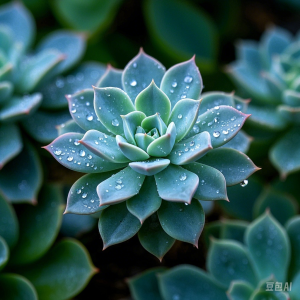
Hey there! So you’ve joined the wonderful world of succulents. Maybe you were drawn in by their sculptural shapes, their stunning colors, or the promise that they’re “easy” plants. But now you’re staring at your new النباتات النضرة, wondering exactly what “easy” really means. Don’t stress. With over a decade of experience collecting, propagating, and yes, accidentally killing a few plants to learn, I’m here tohttps://cngarden.com/ cut through the noise. This is a practical, no-fluff guide to العناية بالنباتات النضرة that actually works.

النباتات النضرة
Watering: The #1 Rule to Get Right
Let’s tackle the biggest killer first: overwatering. سقي النباتات النضرة is not about a schedule. It’s about a cycle. Your goal is to mimic the desert downpours they’ve evolved for: a thorough soak followed by a long, complete drought.
Here’s the method: Wait until the soil is bone-dry. Then, water deeply until excess water freely flows out of the فتحة التصريف. Then, walk away. Let the soil dry out completely again. How do you know it’s dry? Use the “finger test” or a wooden skewer. If you feel any moisture, wait.
Signs you’re overdoing it: Soft, mushy, translucent leaves, or black stems—this is often تعفن الجذور. Signs you’re underwatering: Wrinkled, thin, or crispy leaves. Remember, it’s always safer to underwater than overwater.
The Foundation: Soil & Pot Must-Dos
أنت watering schedule means nothing if your plant is sitting in the wrong foundation. Standard potting soil is a death sentence—it retains moisture for far too long.
You must use a تربة عصارية جيدة التصريف. A quality pre-mixed تربة الصبار والعصارة is a good start. For even better results, I mix my own: 2 parts potting soil, 1 part coarse perlite, and 1 part gritty sand. This mix ensures water passes through quickly, and roots get the air they need.
The pot is equally critical. That cute mug without a فتحة التصريف is not an option. Terracotta pots are excellent for beginners—their porous nature helps soil dry evenly. Ensure every container has at least one drainage hole to prevent water from pooling at the bottom.
Let There Be (The Right Amount of) Light
Light is non-negotiable. Most العصارة الشعبية like Echeveria, Sedum, and Graptopetalum need ضوء ساطع غير مباشر for at least 6 hours a day. A south or east-facing windowsill is prime real estate.
See your plant stretching tall with space between leaves? That’s etiolation—a desperate reach for more sun. Move it to a brighter spot. Notice brown or white scorched patches? That’s sunburn. Yes, it can happen! Acclimate plants slowly to direct, intense sunlight, especially after a winter indoors.
Feeding: Less is More
التسميد بالنباتات النضرة is simple. These are not heavy feeders. During their active growing season (spring and summer), feed them once a month with a balanced, water-soluble fertilizer diluted to half strength. A formula like 10-10-10 works well. Stop fertilizing entirely in fall and winter when growth slows. Often, repotting with fresh soil every 1-2 years provides enough nutrients on its own.
التكاثر مكافأتك على حسن الرعاية
One of the great joys is making new plants! Many أصناف عصارية propagate easily from leaves or cuttings. For leaf propagation, gently twist a healthy leaf from the stem. Let it callous over for a few days, then place it on top of dry soil. Mist lightly every few days. In weeks, you’ll see tiny roots and a rosette! For stem cuttings, snip, callous, and plant directly in soil.
استكشاف المشاكل الشائعة وإصلاحها
-
Yellowing, falling leaves: Usually overwatering. Check for root rot.
-
Brown, dry leaf tips: Could be underwatering or, sometimes, a reaction to minerals in tap water.
-
الآفات: Mealybugs (look like tiny white cotton balls) are common. Treat with rubbing alcohol on a cotton swab.
-
Leggy growth: Insufficient light. Provide more sun and consider “beheading” the plant to restart a compact rosette.
Seasonal Succulent Care
Your care changes with the calendar. Summer care means protecting from extreme midday sun in hot climates and watering more frequently as soil dries faster. Winter care is about restraint. Most succulents go dormant. Place them in a cool, bright spot and water very sparingly—perhaps only once a month or less. The key is observation, not a rigid calendar.
Choosing Beginner-Friendly Plants
Start strong with forgiving أصناف عصارية:
-
Jade Plant (Crassula ovata): A resilient classic.
-
Snake Plant (Sansevieria): Thrives on neglect.
-
Haworthia & Aloe: Tolerate lower light better than most.
-
Echeveria ‘Lola’ or ‘Perle von Nurnberg’: Stunning and relatively hardy rosettes.
Master these, then explore trailing varieties like String of Pearls or architectural ones like الأغاف.
Final Pro-Tips for Success
-
Airflow is Key: Good circulation prevents pests and fungal issues.
-
Clean Your Tools: When pruning or beheading, use sterilized shears.
-
The “Squeeze Test”: A plump, firm leaf means the plant is hydrated. A soft, thin leaf means it’s thirsty.
-
When in Doubt, Don’t Water: It’s the safest motto in succulent care.
Caring for succulents is a practice in mindful neglect. You’re providing the right conditions and then getting out of the way. Pay attention to what your plant is telling you through its leaves and growth. Start with the basics outlined here—proper watering, gritty soil, ample light—and you’ll build a foundation for a thriving collection. Remember, every expert was once a beginner who kept trying. Now go enjoy your plants
 English
  Arabic
  Dutch
Dutch  German
  French
  Portuguese
  Spanish
  Russian
  Japanese
  Korean