

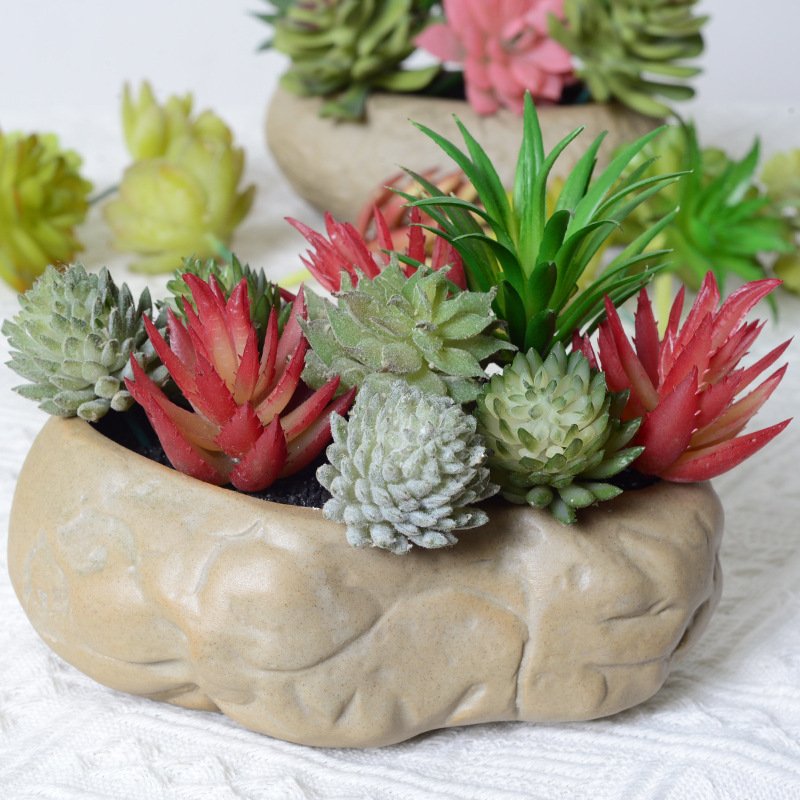
- Rule #1: Give Them More Light Than You Think
- Rule #2: Water Deeply, Then Wait
- Rule #3: Use the Right Soil and Pot
- Rule #4: Pay Attention to Temperature and Airflow
- Rule #5: Less Fertilizer Is More
- Bonus: Propagation Is Easier Than You Think
- Common Problems and Quick Fixes
- Seasonal Succulent Care
- Why CNGarden?
- Conclusion
You have probably killed a succulent before. Maybe more than one. Maybe more than a few. And you are not alone. Millions of people bring home these cute little plants only to watch them stretch out, turn yellow, or turn into mush.
Here is the good news. العناية بالنباتات النضرة is not rocket science. You just need to unlearn some habits that work for other houseplants. Once you understand what succulents actually need, keeping them alive becomes almost effortless.
At CNGarden, we have helped thousands of plant lovers figure out how to care for succulent varieties. This guide will give you five simple rules that actually work. Follow these, and your succulents will thrive. And for those spaces where living plants just will not survive, CNGarden also offers a stunning collection of النباتات الاصطناعية that bring the beauty of nature indoors without any maintenance required.
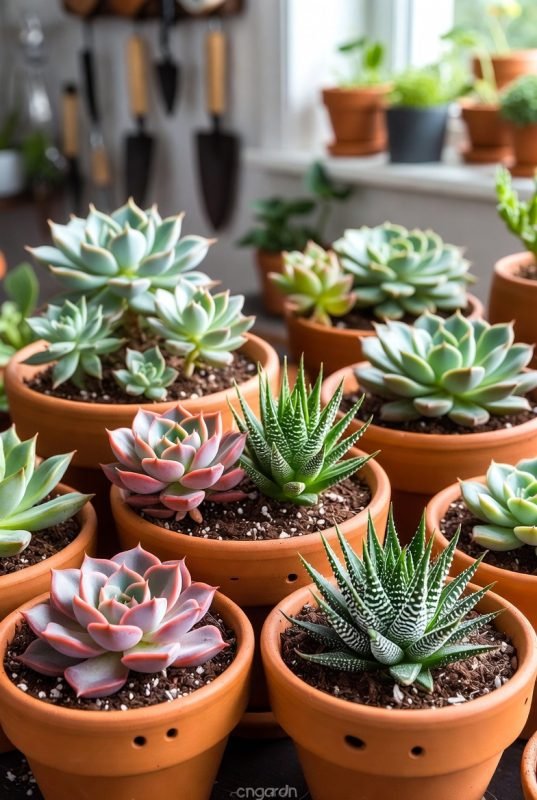
Rule #1: Give Them More Light Than You Think
The number one reason succulents die indoors is lack of light. Not pests. Not disease. Not even overwatering (though that is number two). Insufficient light.
How Much Light Do They Need?
Most succulents need at least six hours of bright, direct light every day. A south-facing window is ideal. East-facing windows work for some varieties. North-facing windows are almost always too dark.
The Stretching Test
Watch your succulent for a few weeks. If it starts to stretch out, with longer stems and more space between leaves, it needs more light. This condition is called etiolation. The stretched part will never go back to normal.
The Grow Light Solution
If you do not have a sunny window, buy a grow light. Full-spectrum LED lights are inexpensive and work great. Place them 6 to 12 inches above your succulents and run them for 12 to 14 hours per day.
For homes without good natural light, keeping succulents healthy is very difficult. That is why many people choose نباتات مزيفة from CNGarden for those dark corners. They look just as good without needing any sun at all.
Rule #2: Water Deeply, Then Wait
The second biggest mistake in العناية بالنباتات النضرة is watering too often. Succulents store water in their leaves. They are built to survive drought.
The Soak and Dry Method
Wait until the soil is completely dry. Then water deeply until water runs out of the drainage holes. Then wait again. Do not water again until the soil is completely dry.
Why This Works
This mimics the natural environment of succulents. In the desert, rain comes rarely but heavily. The soil soaks it up and then dries out. Succulent roots need that dry period to breathe.
How to Check Soil Moisture
Stick your finger into the soil. If it feels wet at any depth, wait. If it feels dry all the way through, water. For deep pots, use a wooden skewer. Insert it to the bottom. If it comes out with damp soil, wait.
How Often?
In summer, you might water every 7 to 14 days. In winter, you might water only once a month. Always check the soil first. Do not water on a schedule.
Signs You Are Doing It Wrong
-
Underwatered: Wrinkled, shriveled leaves. Give it a deep drink.
-
Overwatered: Yellow, mushy leaves that fall off. Stop watering immediately.
If watering sounds like too much hassle for certain areas of your home, CNGarden has a great selection of زهور اصطناعية that never need a single drop of water.
Rule #3: Use the Right Soil and Pot
Regular potting soil is designed to hold water. Succulents need the opposite. They need soil that drains fast and pots that help them dry out.
The Right Soil
Use a gritty, fast-draining soil mix. Buy cactus and succulent soil from a garden center. Then amend it with extra perlite or pumice. A good ratio is 50 percent succulent soil and 50 percent perlite.
The Right Pot
Drainage holes are non-negotiable. Never plant a succulent in a pot without holes. Water will collect at the bottom, and the roots will rot. If you love a decorative pot with no holes, plant your succulent in a plastic nursery pot with holes, then put that inside the decorative pot. Take it out to water, then put it back.
Terracotta Is Your Friend
Unglazed terracotta pots are porous. Water evaporates through the sides of the pot. This helps the soil dry out faster and prevents rot. For most people, terracotta is the safest choice.
For those who love the look of succulents but do not want to deal with soil and pots, CNGarden offers ready-to-display النباتات الاصطناعية that come in a variety of beautiful containers.
Rule #4: Pay Attention to Temperature and Airflow
Succulents are not just about light و water. They also care about temperature and airflow.
The Right Temperature
Succulents prefer daytime temperatures between 70 and 85 degrees Fahrenheit. At night, they like it cooler, between 50 and 55 degrees. Most succulents cannot handle freezing temperatures. If you live somewhere with cold winters, bring outdoor succulents inside before the first frost.
The Right Airflow
Good airflow prevents rot and fungus. It helps soil dry out and keeps humidity low. Space your succulents out so air can circulate. Do not cram them together. In humid rooms, use a small fan. Open windows when weather permits.
What to Avoid
Do not place succulents near heat vents or radiators. The hot, dry air can stress them. Also avoid closed terrariums. They trap too much moisture and will rot your succulents.
Rule #5: Less Fertilizer Is More
Succulents are not heavy feeders. They grow just fine in poor soil. Too much fertilizer can actually harm them.
The Right Fertilizer
Use a balanced, water-soluble fertilizer diluted to half strength. Apply once a month during spring and summer. Do not fertilize in fall and winter.
Why Less Is More
Too much fertilizer, especially nitrogen, causes weak, leggy growth. Succulents grown in rich soil or with too much fertilizer become soft and more susceptible to pests and rot.
What to Look For
Look for a fertilizer with a higher phosphorus ratio (the middle number on the label). Phosphorus supports root growth and flowering. Specialized succulent fertilizers are available and work well.
Bonus: Propagation Is Easier Than You Think
One of the most rewarding parts of العناية بالنباتات النضرة is propagation. You can turn one plant into many for free.
Leaf Propagation Step by Step
-
Gently twist a healthy leaf from the stem. You need a clean break.
-
Let the leaf sit out for 2 to 3 days. The broken end will callus over.
-
Lay the leaf on top of dry soil. Do not bury it.
-
Ignore it for a few weeks. Do not water it.
-
After a few weeks, you will see tiny roots and a baby rosette. Now you can mist lightly every few days.
Stem Cuttings
If your succulent is leggy, cut off the top rosette with 2 to 3 inches of stem. Let it callus for a few days. Stick the stem into dry soil. Wait a week before watering.
Offsets (Pups)
Many succulents grow baby plants around their base. Gently separate them from the mother plant and pot them up on their own.
If propagation sounds fun but you want instant results, CNGarden has a wide variety of زهور اصطناعية that look like fully mature succulents with no waiting time.
Common Problems and Quick Fixes
Problem: My succulent is stretching out.
Fix: It needs more light. Move to a brighter spot or add a grow light.
Problem: My succulent leaves are turning yellow and mushy.
Fix: Overwatering. Stop watering. Check for rot. Repot in dry soil if needed.
Problem: My succulent leaves are wrinkled and shriveled.
Fix: Underwatering. Give it a deep water. It should plump up in 1 to 2 days.
Problem: I see small white bugs on my succulent.
Fix: Mealybugs. Dab them with rubbing alcohol on a cotton swab.
Problem: My succulent has black spots on the leaves.
Fix: Fungus. Improve airflow. Water less. Consider a fungicide.
If dealing with these problems sounds exhausting, CNGarden offers a worry-free solution. Our النباتات الاصطناعية never get bugs, rot, or fungus. They stay perfect forever.
Seasonal Succulent Care
أنت العناية بالنباتات النضرة routine should change with the seasons.
Spring and Summer (Growing Season)
-
More light و water
-
Water every 7 to 14 days
-
Fertilize once a month
-
Best time to propagate
-
Gradually move plants outside if desired
Fall and Winter (Dormant Season)
-
Less water
-
Water only once a month or even less
-
Do not fertilize
-
Bring outdoor plants inside before frost
-
Lower temperatures are fine as long as it does not freeze
Why CNGarden?
At CNGarden, we know that not everyone has the time, light, or luck to keep real succulents alive. And that is okay. You should still get to enjoy beautiful greenery in your home.
We offer high-quality living succulents and supplies for those who want to grow their own. And we offer stunning النباتات الاصطناعية for those who want the look without the work. Every product we sell is tested for quality and durability.
Conclusion
العناية بالنباتات النضرة does not have to be complicated. Remember the five simple rules. Give them plenty of light. Water deeply but infrequently. Use fast-draining soil and terracotta pots. Pay attention to temperature and airflow. And use fertilizer sparingly.
Follow these rules, and your succulents will thrive. They will stay compact, colorful, and healthy for years.
But here is the honest truth. Not every room in your home is suited for living plants. Dark hallways, windowless bathrooms, and busy schedules can make plant care difficult. For those spaces, CNGarden has the perfect solution. Our النباتات الاصطناعية و زهور اصطناعية bring the beauty of nature anywhere you want it.
Visit CNGarden today. Whether you choose living succulents or our high-quality artificial options, we will help you create a home that feels fresh, green, and alive.
 English
  Arabic
  Dutch
Dutch  German
  French
  Portuguese
  Spanish
  Russian
  Japanese
  Korean