

The world of succulents encompasses an astonishing diversity of plants distributed across multiple botanical families, each with unique characteristics and adaptations. Understanding these family groupings helps growers provide better care and appreciate the evolutionary relationships between different succulent types. Among the most significant families for succulent enthusiasts are Crassulaceae, Aizoaceae, and several others that include popular cultivated species.
The Crassulaceae family represents one of the most important groups in succulent horticulture, containing many beloved genera known for their rosette formations and leaf diversity. This family includes the iconic Jade Plant (크라술라 오바타), various Echeveria species prized for their symmetrical beauty, and the hardy 셈퍼비붐 (Hen and Chicks) that thrive in cold climates. What unites these plants is their leaf succulence and frequent production of offsets, making them excellent for propagation. The Crassulaceae are particularly known for their Crassulacean Acid Metabolism (CAM) photosynthesis, which allows them to conserve water in arid environments.
Commercial production of Crassulaceae species represents a massive sector within the ornamental plant industry. Large-scale succulent factory operations, particularly those in regions referenced by search terms like succulent china and succulents china, propagate millions of these plants annually. During seasonal succulent on sale events at garden centers, it’s often Crassulaceae members like Echeveria and Crassula that dominate the displays. Their relative ease of propagation makes them ideal for 즙이 많은 벌크 production, supplying 즙이 많은 도매 markets worldwide.
The Aizoaceae family, sometimes called the ice plant family, contains some of the most specialized and fascinating succulents. This family includes the incredible mimicry plants Lithops (Living Stones) and 코노피툼 (Cone Plants), which have evolved to resemble stones as camouflage from herbivores. Unlike the rosette-forming Crassulaceae, many Aizoaceae have reduced their above-ground presence to minimal structures while developing extensive root systems. Their flowering strategy is particularly remarkable, with often disproportionately large, daisy-like blooms emerging from seemingly insignificant plant bodies.
While Aizoaceae species are less common in mass-market horticulture than Crassulaceae, they hold special appeal for collectors of 희귀 즙이 많은 varieties. Specialized succulent supplier businesses often focus on these plants, catering to enthusiasts willing to provide the specific growing conditions they require. The 미니 다육 식물 nature of many Aizoaceae makes them perfect for specialized collections where space is limited but botanical interest is high.
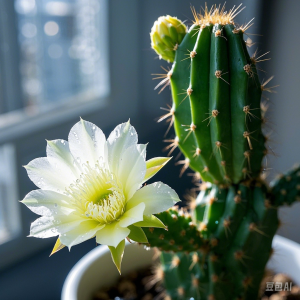
Beyond these two major families, several other plant families contain significant succulent representatives. The Asphodelaceae family includes popular genera like Aloe and Haworthia, plants known for their medicinal properties and architectural forms. The Cactaceae (cactus family) represents New World succulents characterized by their areoles – specialized structures from which spines, flowers, and new growth emerge. The Apocynaceae family includes the fascinating Adenium (desert rose) with its swollen caudex, while the Asparagaceae contains the ubiquitous 산세비에리아 (Snake Plant).
Understanding family characteristics helps growers provide appropriate care. Crassulaceae members generally prefer well-draining soil and bright light, with many tolerating light frosts. Aizoaceae species often require extremely gritty soil and careful watering tailored to their seasonal growth cycles. Cactaceae need maximum drainage and sunlight, while Asphodelaceae members like Haworthia often prefer some protection from intense afternoon sun.
The commercial landscape reflects these botanical relationships. Large succulent company operations often organize their production by family, recognizing that related plants share similar growing requirements. This specialization allows for efficient cultivation practices, whether producing Crassulaceae for mass markets or nurturing more delicate Aizoaceae for specialty collectors. The rise of international trade means that a 즙이 많은 도매 supplier might source Crassulaceae from one continent while obtaining Cactaceae from another.
For beginners seeking 쉽게 자라는 즙이 많은 식물 options, Crassulaceae often provide the most forgiving introduction to succulent cultivation. Plants like Jade Plant and Ghost Plant (Graptopetalum paraguayense) tolerate minor care mistakes while still providing satisfying growth. More advanced collectors might gravitate toward the specialized challenges presented by Aizoaceae or the architectural drama of large Cactaceae.
The diversity within these families is staggering. Within Crassulaceae alone, one finds the stacked leaves of Crassula muscosa (Watch Chain), the powdery beauty of Pachyphytum oviferum (Moonstones), and the cold-hardy Sempervivum tectorum (Common Houseleek). The Aizoaceae range from the stone-like Lithops to the carpet-forming Lampranthus (Ice Plant), each adapted to specific ecological niches.
As international plant trade continues to grow, understanding these botanical families becomes increasingly important for both conservation and cultivation. Responsible succulent supplier businesses now emphasize legally propagated material, particularly for families like Cactaceae and Aizoaceae that contain many threatened species. This ethical approach ensures that the enjoyment of these remarkable plants doesn’t come at the cost of their wild survival.
Whether you’re a casual windowsill gardener or a serious collector, recognizing the family relationships between succulents enhances both growing success and appreciation for plant diversity. From the familiar Crassulaceae that dominate garden centers to the specialized Aizoaceae that challenge and delight experts, each family offers unique insights into the amazing adaptations of succulent plants across the globe.
 English
  Arabic
  Dutch
Dutch  German
  French
  Portuguese
  Spanish
  Russian
  Japanese
  Korean