

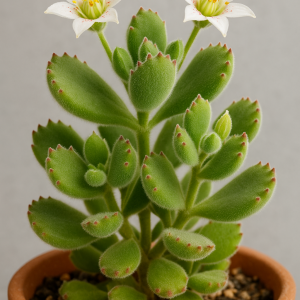
- Meet the Succulent: A Plant Built for Tough Conditions
- Light: The Engine of Succulent Growth
- Watering: Finding the Sweet Spot
- Soil and Containers: Building a Strong Foundation
- Temperature, Humidity, and Air Circulation
- Fertilizing: Supporting Growth Without Overdoing It
- Propagation: Creating New Plants for Free
- Common Problems and Solutions
- Styling Succulents in Your Home
- Why Choose CNGarden?
- Conclusion
There is something magical about succulents. Their geometric precision, their ability to blush in shades of pink and purple when happy, their quiet resilience—they capture our imagination in a way that few other plants can. But for every succulent that thrives, there is another that quietly fades away, leaving its owner wondering what went wrong.

%类别%
The truth is that succulents are not difficult to care for. They simply have different needs than the typical houseplant. Once you understand what those needs are, keeping succulents becomes second nature. At CNGarden, we are dedicated to helping you succeed with your plants. This guide will cover everything you need to know about how to care for succulent plants, from the basics to advanced tips. And for those spaces where living plants are not practical, CNGarden offers a stunning collection of 인공 식물 that bring the beauty of nature into any environment without any maintenance required.
Meet the Succulent: A Plant Built for Tough Conditions
To care for something well, you need to understand where it comes from. Succulents are native to some of the most challenging environments on the planet—arid deserts, high-altitude mountain slopes, and rocky outcroppings where water is scarce and the sun is intense.
Over thousands of years, these plants developed specialized tissues that allow them to store water for long periods. Their thick, fleshy leaves are essentially natural water tanks. This adaptation allows them to survive droughts that would kill other plants. But it also means they are not equipped to handle constant moisture. Their roots need to breathe. Their leaves need intense light to stay compact. When you provide these conditions, succulents reward you with spectacular growth and sometimes even flowers.
Light: The Engine of Succulent Growth
If you want to master how to care for succulent varieties, start with light. Light is the fuel that drives everything else. Without enough light, even the most careful watering routine will not produce a healthy plant.
What Does “Enough Light” Mean?
In practical terms, most succulents need at least six hours of bright, direct sunlight per day. Indoors, this usually means placing them in a south-facing window. East-facing windows provide good morning light that works well for many species. West-facing windows can work but may deliver intense afternoon heat that can be harsh on unacclimated plants.
What Happens with Too Little Light?
When succulents do not get enough light, they start to stretch. The stem lengthens, the leaves become spaced farther apart, and the plant loses its characteristic compact shape. This condition is called etiolation. The plant is literally reaching for more light. While etiolation is not immediately fatal, it permanently changes the plant’s appearance. The stretched portion will never return to its original form.
What Happens with Too Much Light?
Succulents can also get sunburned, especially if they are moved suddenly from a low-light environment to direct sun. Sunburn appears as brown, crispy patches on the leaves. To prevent this, gradually acclimate your succulents to brighter conditions over one to two weeks.
For homes with limited natural light, maintaining healthy succulents can be a challenge. In these situations, many plant lovers turn to CNGarden for our collection of 가짜 식물 that offer the same aesthetic appeal without any light requirements.
Watering: Finding the Sweet Spot
Watering is where most succulent owners get into trouble. The urge to water on a schedule is strong, but succulents do not operate on human timetables. They operate on environmental cues.
The Soak and Dry Method
This is the gold standard for succulent watering. Here is how it works:
-
Wait for Dryness: Before you even think about watering, check the soil. Stick your finger into the soil or use a wooden skewer. If any moisture is present at the bottom of the pot, wait. Only water when the soil is completely dry.
-
Water Deeply: When the soil is dry, water thoroughly. Apply water until it flows freely from the drainage holes. This ensures that water reaches the deepest roots and encourages them to grow downward.
-
Let It Drain: Allow the pot to drain completely. Never let your succulent sit in a saucer of water.
Why This Works
This method mimics the natural rainfall patterns of the succulent’s native habitat—occasional heavy rain followed by long dry periods. It allows roots to access water when they need it and breathe when they do not.
Seasonal Adjustments
Succulents are not static in their water needs. During spring and summer, they are actively growing and will need water more frequently—perhaps every 7 to 14 days. During fall and winter, most succulents enter a dormant phase and need significantly less water, often just once every three to four weeks.
Reading Your Plant
Your succulent will tell you when it is thirsty. Underwatered succulents develop wrinkled, shriveled leaves. A good soak will usually plump them back up within 24 to 48 hours. Overwatered succulents develop yellow, translucent leaves that may fall off at the slightest touch. If you see these signs, stop watering immediately and consider repotting into dry soil.
If maintaining this careful watering balance feels overwhelming for certain areas of your home, CNGarden offers a beautiful range of 조화 that require no watering at all while still providing the visual appeal of living greenery.
Soil and Containers: Building a Strong Foundation
You can have perfect light and perfect watering, but if your succulent is planted in the wrong soil or container, it will still struggle.
The Right Soil
Succulents need soil that drains quickly. Standard potting soil is designed to retain moisture, which is the opposite of what succulents need. The ideal succulent mix is gritty and porous. Commercial cactus and succulent mixes are available, but they often benefit from additional amendment. Adding perlite, pumice, or coarse sand improves drainage significantly. A good target is a mix that is about 50 percent soil and 50 percent inorganic material.
The Right Container
Drainage holes are essential. A pot without a drainage hole traps water at the bottom, and even the most careful watering will eventually lead to root rot. If you have a decorative container you love that lacks holes, use it as a cachepot—place a plastic nursery pot with drainage holes inside it, and remove it for watering.
Terracotta and unglazed ceramic pots are excellent choices. They are porous, which helps the soil dry out more quickly. This gives you a larger margin for error with watering.
For those who love the look of beautifully potted succulents but prefer to avoid the complexities of soil and drainage, CNGarden offers an impressive selection of 인공 식물 that are ready to display in any container you choose.
Temperature, Humidity, and Air Circulation
Succulents prefer temperatures between 60°F and 80°F (15°C to 27°C). Most succulents are not frost-hardy and should be protected from freezing temperatures. If you live in a region with cold winters, bring outdoor succulents indoors before the first frost.
Humidity is another factor to consider. Succulents thrive in dry conditions. High humidity, especially when combined with poor airflow, can promote fungal issues and rot. If you are growing succulents in a humid environment, ensure adequate air circulation by spacing plants appropriately and using a small fan if necessary.
Good airflow also helps deter pests. Stagnant air creates conditions where mealybugs and other pests can establish themselves more easily.
Fertilizing: Supporting Growth Without Overdoing It
Succulents are not heavy feeders, but they do benefit from occasional fertilization during the growing season. Use a balanced, water-soluble fertilizer diluted to half strength. Apply once a month during spring and summer. Do not fertilize during fall and winter when succulents are dormant.
Specialized succulent fertilizers are available and often contain a higher ratio of phosphorus to support root development and flowering. Be cautious with organic fertilizers, as they often contain higher levels of nitrogen. Too much nitrogen can promote excessive soft growth that is more susceptible to pests and disease.
Propagation: Creating New Plants for Free
One of the most rewarding aspects of learning how to care for succulent plants is the ability to propagate them. Succulents are among the easiest plants to propagate, making it simple to expand your collection or share with friends.
Leaf Propagation
This method works for many succulents, especially Echeverias, Graptopetalums, and Sedums.
-
Gently twist a healthy leaf from the stem, ensuring you get a clean break at the base. A partial tear will not produce a new plant.
-
Allow the leaf to callus over for two to three days in a dry, shaded area. This prevents rot when it comes into contact with soil.
-
Place the callused leaf on top of dry succulent soil. Do not bury it—roots will find their way down naturally.
-
Mist lightly every few days once roots and a tiny rosette begin to form. The mother leaf will eventually wither away as the new plant establishes.
Stem Cuttings
For succulents with elongated stems, stem cuttings are an effective propagation method.
-
Use clean, sharp scissors to cut a healthy section of stem, typically 2 to 4 inches long.
-
Allow the cutting to callus for a few days.
-
Plant the callused end in dry succulent soil.
-
Wait about a week before watering to encourage root development.
Offsets and Pups
Many succulents produce offsets, or “pups,” around their base. These can be gently separated from the mother plant once they have developed their own root systems and potted individually.
For those who appreciate the beauty of succulents but prefer to skip the propagation process, CNGarden offers a wide variety of 조화 that capture the intricate details of mature succulents with no waiting period required.
Common Problems and Solutions
Even with the best care, succulents can occasionally encounter issues. Here is how to identify and address the most common problems.
Mealybugs
These are the most common succulent pests. They appear as small, white, cottony masses, often hiding in leaf crevices and at the base of leaves. To treat, isolate the affected plant and dab mealybugs with a cotton swab dipped in rubbing alcohol. Repeat every few days until they are eliminated. For severe infestations, consider using a systemic insecticide.
Root Rot
This is almost always caused by overwatering or poor drainage. Symptoms include yellowing, mushy leaves, a foul odor from the soil, and blackened roots. If caught early, remove the plant from the soil, cut away any black or mushy roots, allow the plant to dry for a few days, and repot in fresh, dry, well-draining soil.
Fungal Issues
Excess moisture can lead to fungal problems, which often appear as black spots or powdery mildew on leaves. Improve airflow, reduce watering, and consider using a fungicide if the problem persists.
Pests
Aphids and spider mites can occasionally appear. A strong spray of water or insecticidal soap usually takes care of them.
For spaces where pest and disease management feels like too much work, CNGarden provides a worry-free alternative with our collection of 인공 식물 that require no treatment, no spraying, and no special care.
Styling Succulents in Your Home
Succulents are incredibly versatile design elements. Their wide range of colors, textures, and forms allows for creative expression in any space.
Indoor Styling Ideas
-
Grouped Arrangements: Plant multiple succulents together in a shallow bowl or tray. Mix different heights, colors, and leaf shapes for visual interest.
-
Terrariums: Succulents can thrive in open terrariums. Use a wide-mouthed glass container with a layer of drainage material at the bottom.
-
Wall Planters: Vertical succulent gardens make striking living art pieces.
-
Desk Accents: Small succulents in simple pots add life to workspaces without taking up much room.
Outdoor Styling Ideas
-
Rock Gardens: Succulents are natural choices for rock gardens, where their drought tolerance and architectural forms shine.
-
Container Gardens: Use succulents in outdoor containers to add texture and color to patios, balconies, and entryways.
-
Ground Cover: In warm climates, low-growing succulents like Sedum make excellent drought-tolerant ground covers.
-
Living Wreaths: Succulent wreaths make stunning seasonal decorations for doors and walls.
If you love the styling possibilities of succulents but your climate or lifestyle makes living plants challenging, CNGarden offers an extensive range of 인공 식물 that can be used in any design application without concern for light, water, or temperature.
Why Choose CNGarden?
At CNGarden, we understand that every space and every lifestyle is different. Some plant lovers relish the daily rituals of watering, propagating, and tending to living succulents. Others prefer the beauty of nature without the maintenance responsibilities. We serve both.
For succulent enthusiasts, we provide high-quality plants, soil amendments, containers, and expert guidance to help you succeed. For those seeking the aesthetic of succulents without the upkeep, our artificial collections set the standard for realism and craftsmanship.
Our commitment to quality means that whether you choose living or artificial, you are receiving products that enhance your space and stand the test of time.
Conclusion
Learning how to care for succulent plants is a journey of observation, patience, and understanding. These remarkable plants have evolved to thrive in some of the harshest environments on Earth, and with the right care, they can thrive in your home as well. By providing the right balance of light, water, soil, and attention, you can create an environment where succulents not only survive but flourish, displaying their full range of colors and forms.
Yet we also recognize that not every space is suited for living plants. Dark corners, high-traffic areas, busy schedules, and challenging climates can make succulent care difficult. In these situations, CNGarden invites you to explore our exceptional collection of artificial alternatives. Our products are designed to bring the beauty of nature into any space, without compromise.
Visit CNGarden today to discover the perfect greenery solutions for your home. Whether you are ready to nurture a living succulent collection or prefer the timeless beauty of our artificial offerings, we are here to help you create a space that inspires, comforts, and delights.
 English
  Arabic
  Dutch
Dutch  German
  French
  Portuguese
  Spanish
  Russian
  Japanese
  Korean