

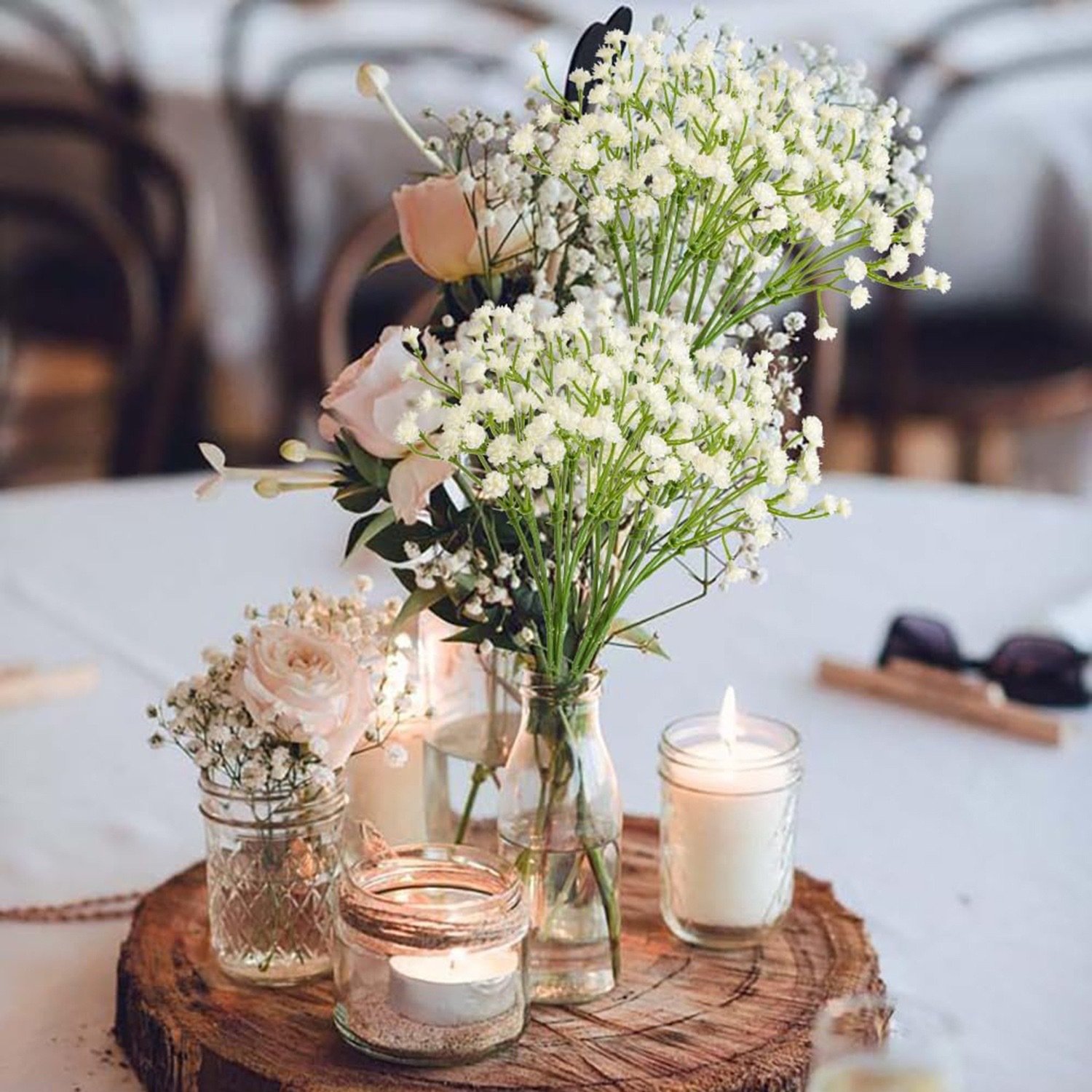
観葉植物 have earned a genuinely useful role in home interiors — not as a compromise but as a deliberate design choice. The key is using them thoughtfully, which means understanding where they add value, where they fall short, and how material quality changes what’s possible.
Where Artificial Plants Genuinely Win
The clearest use case is low-light rooms. Bathrooms without windows, north-facing bedrooms, hallways, basement conversions — spaces where even hardy live plants struggle. Artificial plants thrive in these conditions because they don’t depend on conditions at all.
A second strong case is consistency. A live trailing pothos grows, changes shape, occasionally looks ragged, and dies back if you’re traveling. An 人工植物 looks the same every day, which matters if a specific visual effect is part of a considered interior.
Third: spaces above reach. Plants on high shelves or suspended from the ceiling are notoriously difficult to maintain. 観葉植物 are a straightforward solution.
Choosing Quality Over Quantity
One convincing specimen beats three obvious 観葉植物 every time. If budget is a constraint, it’s worth concentrating it on one or two well-made pieces rather than distributing it across a collection of cheaper ones.
CNGARDEN’s range covers single-stem statement plants through to full potted arrangements, with PE-molded foliage and detailed surface finishes that hold up to close inspection. For a key focal point — a floor-standing fig tree, a large-leaf tropical in a living room corner — investing in quality pays off visibly.
The Mixing Strategy
Many designers mix live and 人工植物 in the same space, and it’s worth considering deliberately. Live plants bring irregular texture, slight movement, and seasonal variation. Well-made 人工植物 provide consistent architectural structure. Together, they give a space organic life alongside reliable form.
The pairing works best when the 人工植物 are chosen to complement the live ones in color and scale, and when the quality gap between them isn’t too large. A convincing faux olive tree alongside real trailing herbs works. A cheap plastic cactus next to a carefully tended fiddle-leaf fig doesn’t.
The Dust Problem and How to Handle It
This is the one maintenance task 観葉植物 genuinely require. Dust settles on horizontal leaf surfaces and diffuses the light that makes quality foliage look convincing. Monthly wiping with a damp cloth on key pieces, and a quarterly dust of larger arrangements, is enough to keep things looking right.
Silk and fabric 造花 benefit from occasional careful vacuuming with a soft brush attachment — far less effort than any live equivalent, and effective at restoring crispness to petal edges.
 English
  Arabic
  Dutch
Dutch  German
  French
  Portuguese
  Spanish
  Russian
  Japanese
  Korean